Choosing China’s top water check valve suppliers is not simply a search for the lowest quotation. It is a technical decision involving flow direction, pressure control, material compatibility, and long-term maintenance. A valve may look excellent in a product photo. It may still fail after repeated cycling, water hammer, or poor installation.
Valve-selection author R. W. Zappe offers a practical reminder: “Valve selection must begin with the service conditions.” That principle should guide every supplier comparison. Buyers should examine the valve’s body material, sealing design, pressure rating, temperature range, connection standard, and closing response. Stainless steel, ductile iron, brass, and plastic each suit different systems. The wrong combination can create leakage, corrosion, or unnecessary head loss.
Look beyond the catalog.
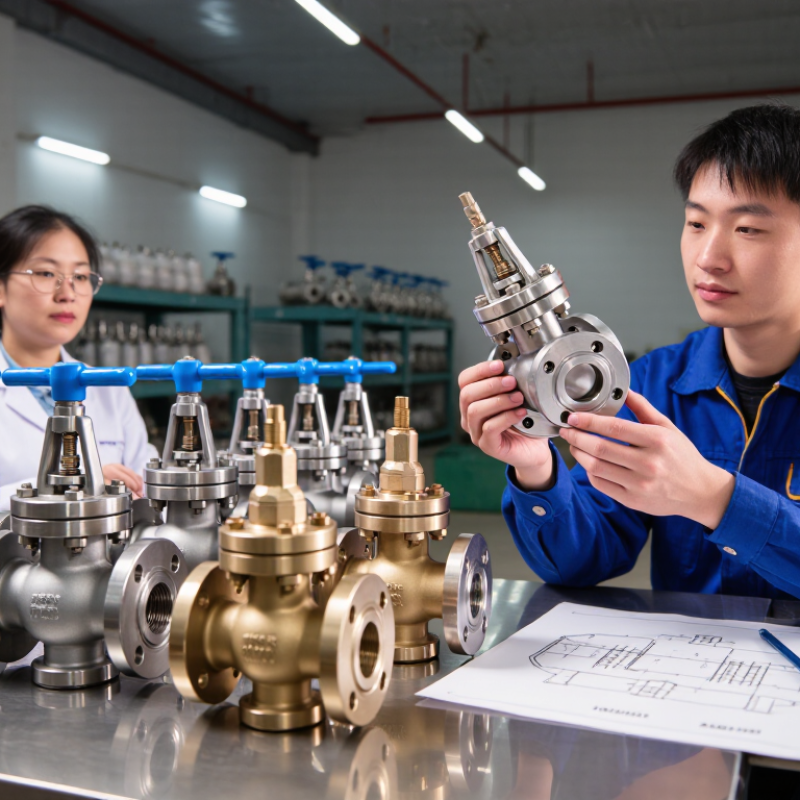
A reliable Chinese supplier should provide clear drawings, test records, material certificates, and traceable production information. Factory experience also matters. Ask whether the manufacturer has supplied valves for municipal water, building services, irrigation, or industrial pipelines. Request a sample and inspect its hinge, spring, disc, gasket, and machining quality. These small details often reveal more than polished marketing language.
Supplier audits should include quality control, pressure testing, packaging, delivery consistency, and after-sales support. Certifications can support credibility, but they should be verified against the actual model. Do not assume every “top” supplier fits your project. That assumption is a weakness.
This guide explains how to compare water check valve manufacturers in China with greater confidence. It also recognizes an uncomfortable truth: even careful buyers can overlook field conditions. Better questions, documented evidence, and practical testing reduce that risk.
How to Choose China Top Water Check Valve Suppliers?
Understanding Water Check Valve Types and Their Applications in China
Choosing a water check valve supplier in China starts with understanding the pipeline, not the catalog. Swing check valves suit horizontal pipelines with moderate flow changes. Their disc moves freely, but water hammer can occur when flow reverses quickly. Lift check valves provide stable sealing under higher pressure. They work well in clean water systems, although pressure loss may be higher. Wafer dual-plate valves are compact and lighter. They fit pump outlets, municipal networks, and limited installation spaces.
Spring-loaded check valves respond quickly and reduce reverse flow. They are useful near pumps, booster stations, and vertical pipe sections. Foot valves combine a check function with a strainer. They help keep suction lines filled, especially in wells and storage tanks. Dirty water needs careful material selection. Sediment can damage soft seats and restrict movement.
A reliable Chinese supplier should explain why a valve fits your pressure, temperature, flow direction, and installation position. Ask for body material certificates, pressure-test records, drawings, and clear inspection procedures. Hydrostatic and seat-leakage testing should be traceable. Independent inspection can expose casting pores, uneven coatings, or incorrect dimensions.
Small details matter.
Check the hinge pin, spring quality, gasket compatibility, and flange standard. A low quotation may hide thinner walls or weaker fasteners. I would not judge a supplier by polished photographs alone. Factory audits, sample testing, and communication during specification changes reveal more. Some suppliers respond quickly but overlook operating conditions. That deserves a second question before any purchase.
| Water Check Valve Type | Working Principle | Typical Water Applications | Recommended Installation Position | Common Connection Options | Main Advantages | Key Limitations | Typical Material Options | Supplier Evaluation Points |
|---|---|---|---|---|---|---|---|---|
| Swing Check Valve | A hinged disc opens with forward flow and closes when flow reverses. | Water transmission pipelines, municipal water networks, wastewater systems, and pump discharge lines. | Horizontal pipelines; selected models can be installed vertically with upward flow. | Flanged, wafer, or grooved connections. | Low pressure loss, simple construction, and suitability for medium-to-large pipeline sizes. | May close slowly and can be vulnerable to water hammer in rapidly changing flow conditions. | Ductile iron, cast iron, carbon steel, stainless steel, and rubber-lined configurations. | Check hinge strength, disc travel, seat design, coating quality, and closing performance. |
| Lift Check Valve | A piston or disc moves vertically from its seat when inlet pressure exceeds outlet pressure. | Clean-water systems, boiler-feed lines, industrial process water, and smaller high-pressure pipelines. | Usually horizontal; installation must follow the manufacturer’s flow-direction requirements. | Threaded, socket-weld, butt-weld, or flanged connections. | Good sealing performance and reliable operation under relatively high pressure. | Higher pressure drop than many swing designs and greater sensitivity to dirt or suspended solids. | Bronze, stainless steel, carbon steel, and corrosion-resistant alloy components. | Verify pressure class, internal guidance, seat wear resistance, and compatibility with water quality. |
| Ball Check Valve | A coated or solid ball moves away from the seat during forward flow and returns to block reverse flow. | Water supply, sewage lifting stations, drainage systems, slurry-containing wastewater, and low-maintenance installations. | Horizontal or vertical pipelines, provided the flow direction and model design permit it. | Threaded, flanged, or grooved connections. | Compact design, self-cleaning action, and relatively good resistance to clogging. | Large sizes can be heavy; incorrect sizing may cause noise, vibration, or incomplete opening. | Ductile iron, cast iron, stainless steel, elastomer-coated ball, and resilient seat materials. | Confirm ball density, passage size, anti-clogging performance, coating adhesion, and maintenance access. |
| Wafer Check Valve | A slim disc or pair of plates closes against the seat when the flow reverses. | Compact water-treatment plants, HVAC water circuits, pump stations, and space-limited pipework. | Horizontal or vertical installation depending on the spring and disc configuration. | Wafer-style installation between flanges. | Short face-to-face dimension, low weight, and efficient use of installation space. | Requires correct flange alignment and may be less suitable for heavily contaminated water. | Ductile iron, stainless steel, carbon steel, and elastomer seat materials. | Review minimum operating flow, spring material, flange compatibility, and allowable installation direction. |
| Dual-Plate Check Valve | Two spring-loaded plates open independently during forward flow and close rapidly when flow reverses. | Large water pipelines, booster-pump discharge, fire-water systems, and water-treatment facilities. | Horizontal or vertical pipelines, subject to the valve’s certified installation limits. | Wafer or lug connections. | Fast closure, compact structure, reduced reverse-flow travel, and lower water-hammer risk than slow-closing designs. | Spring and plate mechanisms require accurate manufacturing and suitable water cleanliness. | Ductile iron, carbon steel, stainless steel, and resilient or metal seat designs. | Assess spring fatigue resistance, plate synchronization, sealing reliability, and pressure-loss data. |
| Foot Valve | A check valve with an inlet strainer prevents reverse flow and helps maintain pump priming. | Surface-water intake, well pumping, irrigation, agricultural water supply, and suction pipelines. | At the submerged end of a pump suction pipe. | Threaded, flanged, or socket connections with an integrated strainer. | Helps retain water in the suction line and protects the pump from larger debris. | Strainer blockage can reduce suction performance; regular inspection may be necessary. | Cast iron, ductile iron, bronze, stainless steel, and corrosion-resistant screens. | Check screen open area, submergence requirements, sealing under suction conditions, and cleaning access. |
| Non-Slam Check Valve | A spring-assisted disc closes before or immediately as reverse flow begins, limiting impact. | High-speed pump systems, long water pipelines, desalination facilities, and critical water infrastructure. | Often installed on pump discharge lines; follow the hydraulic design and manufacturer’s requirements. | Flanged or wafer connections. | Reduces reverse-flow velocity, valve impact, vibration, and potential water hammer. | Higher purchase cost and more demanding sizing compared with basic check valve designs. | Carbon steel, stainless steel, ductile iron, and engineered elastomer components. | Request transient-flow analysis, closure-time data, spring-cycle testing, and certified pressure testing. |
| Diaphragm Check Valve | A flexible diaphragm deflects under forward pressure and returns to the seat when pressure falls. | Corrosive or hygienic water-related processes, chemical dosing systems, and low-flow applications. | Horizontal or vertical installation according to diaphragm and body design. | Threaded, flanged, solvent-weld, or sanitary connections depending on construction. | Few moving parts, good isolation of internal mechanisms, and low risk of metal-to-metal wear. | Diaphragm life depends on temperature, pressure cycling, chemicals, and mechanical fatigue. | PVC, CPVC, polypropylene, stainless steel, rubber, and reinforced elastomers. | Verify diaphragm compound, chemical compatibility, temperature range, cycle life, and replacement availability. |
| Hydraulic Check Valve | A pressure-responsive mechanism controls one-way fluid movement in hydraulic or water-control circuits. | Water-control equipment, pressure-regulating assemblies, hydraulic actuators, and specialized treatment systems. | Installed according to the circuit diagram and specified flow direction. | Threaded, cartridge, flanged, or manifold-mounted connections. | Precise control options and suitability for integrated hydraulic systems. | More complex than standard pipeline check valves and sensitive to contamination. | Steel, stainless steel, brass, engineered polymers, and elastomer seals. | Evaluate response pressure, internal cleanliness, seal compatibility, flow capacity, and test documentation. |
| Common Selection Criteria | Valve selection should match hydraulic, mechanical, environmental, and regulatory requirements. | All municipal, industrial, commercial, agricultural, and building water systems. | Confirm pipeline orientation, available space, access for maintenance, and nearby equipment. | Match the valve connection to the pipe standard and existing flange or fitting dimensions. | Correct sizing improves service life, energy efficiency, sealing, and system stability. | Oversizing can prevent full opening; undersizing can increase velocity, noise, and pressure loss. | Select materials according to pressure, temperature, water chemistry, corrosion exposure, and hygiene needs. | Request material certificates, pressure-test reports, dimensional drawings, quality-control records, and warranty terms. |
Note: Actual pressure ratings, temperature limits, dimensions, face-to-face lengths, and applicable standards vary by design and manufacturer. Confirm the technical datasheet and project requirements before placing an order.

Copyright © 2011-2025 Davis Valve.
All Rights Reserved.


Same Day Shipping
ISO Certified Production