Top Butterfly Valve Types for Global Buyers in 2026?
In the evolving landscape of industrial applications, the choice of a butterfly valve plays a critical role. The butterfly valve is a widely used device due to its efficiency and versatility. In the supply chains of 2026, global buyers must acknowledge its significance as they make purchasing decisions.
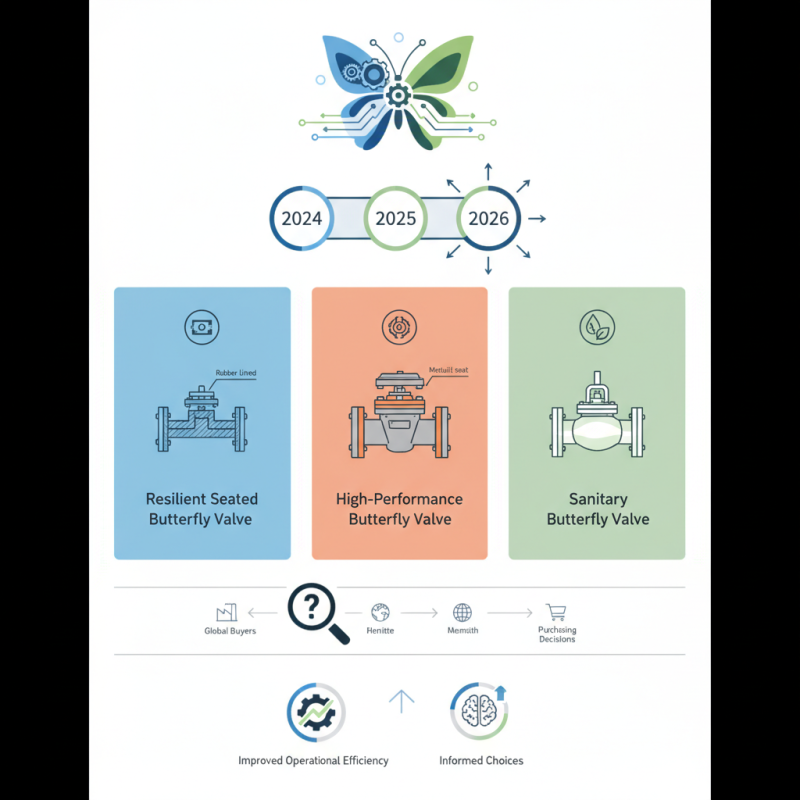
The market is saturated with various types of butterfly valves, each designed for specific needs. Standard options often include resilient seated, high-performance, and sanitary Butterfly Valves. Each type comes with its unique advantages and potential drawbacks. Understanding these nuances is essential for making informed choices. Yet, many buyers overlook critical details.
As industries continue to innovate, the demand for reliable and effective valve solutions grows. Buyers must adapt to new challenges and requirements within their sectors. Awareness of the best butterfly valve options can lead to improved operational efficiency. Thus, investing time in understanding these valves is not just beneficial; it is necessary for success.
Overview of Butterfly Valves: Definition and Function
Butterfly valves play a crucial role in fluid control and management. These valves feature a simple design, consisting of a rotating disc that regulates flow. Their function is efficient, allowing for quick operations with minimal resistance. The design's effectiveness is evidenced by a report from MarketsandMarkets, noting a projected growth of 5.5% from 2021 to 2026 in the valve market, with butterfly valves leading this increase due to their versatility.
Current applications range from water supply systems to industrial processes. In fact, the global demand for these valves is driven by the need for energy-efficient solutions. According to a recent study by Research and Markets, the increasing push for sustainable practices in various industries is propelling the use of butterfly valves. They allow controlled flow with reduced energy consumption, making them attractive for both manufacturers and end-users.
However, not all butterfly valves are created equal. They can sometimes face challenges related to sealing and durability under extreme conditions. Insights from industry experts highlight a gap in innovation, particularly in addressing these vulnerabilities. As technology evolves, there is a pressing need for improved materials and designs to enhance performance. Buyers looking ahead to 2026 will benefit from understanding these nuances to make informed decisions about their valve choices.
Key Types of Butterfly Valves: A 2026 Market Analysis
In 2026, the butterfly valve market is evolving. Key types are in demand across various industries. Fluid control is crucial. Different sectors require specific valve features.
That said, there are common types gaining traction. The concentric butterfly valve stands out for its simplicity. It’s easy to install and maintain. However, some users find its sealing efficiency could improve.
In contrast, eccentric butterfly valves offer better control under high pressure. Users appreciate their durability and performance. They resist wear but can be costly. The selection should match the system's needs. This careful consideration often lacks in initial assessments. The right choice can lead to improved efficiency and cost savings.
Application Areas for Butterfly Valves in Global Industries
Butterfly valves are essential in various industries, playing a critical role in controlling fluid flow. In the oil and gas sector, they are widely used for their efficient sealing and reliable function. These valves can withstand high pressure, making them ideal for offshore applications. Moreover, the chemical industry benefits from their corrosion-resistant materials, which ensure longevity and safety.
Water treatment plants also rely on butterfly valves for their performance in regulating water flow. Their lightweight design simplifies installation and maintenance. However, it is crucial to select the appropriate type for specific conditions. Not all butterfly valves are suitable for every application. Some may wear out quickly in harsh environments, leading to costly downtimes.
In the food and beverage industry, hygiene is essential. Butterfly valves used here must comply with strict standards. They need to be easy to clean and rust-resistant. Many companies overlook the importance of choosing the right valve type. This can result in contamination and compliance issues. Understanding the specific needs of each application ensures better efficiency and reliability in operation.
Emerging Trends in Butterfly Valve Technology for Buyers
As the demand for efficient fluid control systems grows, butterfly valves are evolving. Emerging trends in technology are shaping their future. These innovations are focused on enhancing performance and reliability. Modern designs offer improved sealing capabilities, reducing leakage. This leap is important for industries where precision is key.
Smart technology integration is another significant trend. Digital monitoring can ensure optimal operation. Users can track valve performance in real time. This capability helps in preventive maintenance and extends the lifespan of equipment. Moreover, the use of advanced materials is rising. Lightweight, corrosion-resistant materials are making valves more durable.
However, not all advancements are flawless. High costs can deter some buyers. Integrating these technologies may require a skilled workforce. Buyers need to consider these factors carefully. Balancing cost and performance is essential. Every innovation brings both benefits and challenges. Understanding these dynamics is crucial for making informed decisions in 2026.
Top Butterfly Valve Types for Global Buyers in 2026
This chart presents the projected market share of different butterfly valve types favored by global buyers in 2026. The data indicates the increasing demand for specific valve technologies in various industries.
Factors Influencing Butterfly Valve Selection and Procurement
When selecting butterfly valves, several key factors come into play. The intended application is crucial. Different industries, such as oil and gas, water treatment, or food processing, have unique requirements. For instance, a valve used in a chemical plant must withstand harsh conditions. Material compatibility is vital here. Corrosion resistance and temperature tolerance should never be overlooked.
Another aspect to consider is the valve design. Various configurations exist, like resilient seated or metal seated valves. Each design has distinct advantages and limitations. A metal-seated valve may offer durability under high-pressure conditions, while a resilient valve might excel in providing a tight seal. Reliability is paramount in procurement. Therefore, a detailed understanding of the operational environment is necessary.
Cost is also a significant factor in procurement decisions. While it can be tempting to opt for the lowest-priced option, this might lead to long-term issues. A cheap valve may fail prematurely, resulting in costly downtime. Assessing long-term value is essential. It’s worth reflecting on whether to prioritize initial costs or overall reliability and performance. Balancing these elements can help ensure a successful procurement strategy for global buyers.