The 2026 Top Check Valves for Global Buyers guide begins with one practical truth: reverse flow can damage pumps, contaminate process lines, and stop production. A failed valve may look small on a drawing. Its consequences rarely are.
Industry reports support this market importance. Grand View Research places the global industrial valves market in the tens of billions of dollars, with steady growth expected through 2030. Research and Markets also identifies check valves as a growing product segment, driven by water treatment, energy, chemical processing, and manufacturing investment. These figures describe the wider valve market, not every check valve sale. That distinction matters.
Richard W. Greene, P.E., author of Valve Selection Handbook, offers a useful engineering reminder: “Valve selection begins with the system, not the valve.” Buyers should examine flow direction, pressure range, temperature, media, installation position, and maintenance access. A wafer check valve may suit a compact pipeline. A swing check valve may better tolerate larger flows. A spring-loaded design can respond quickly, but pressure loss deserves attention.
Certification and documentation also shape a reliable purchase. Global buyers should verify material grades, pressure ratings, test records, and applicable standards. API, ASME, ISO, and regional requirements may differ. Do not trust a polished product page alone.
This guide compares leading check valves by application, construction, response, durability, and total ownership cost. Some rankings remain debatable. Real installations are messy. That is why field experience, supplier transparency, and independent technical review matter.
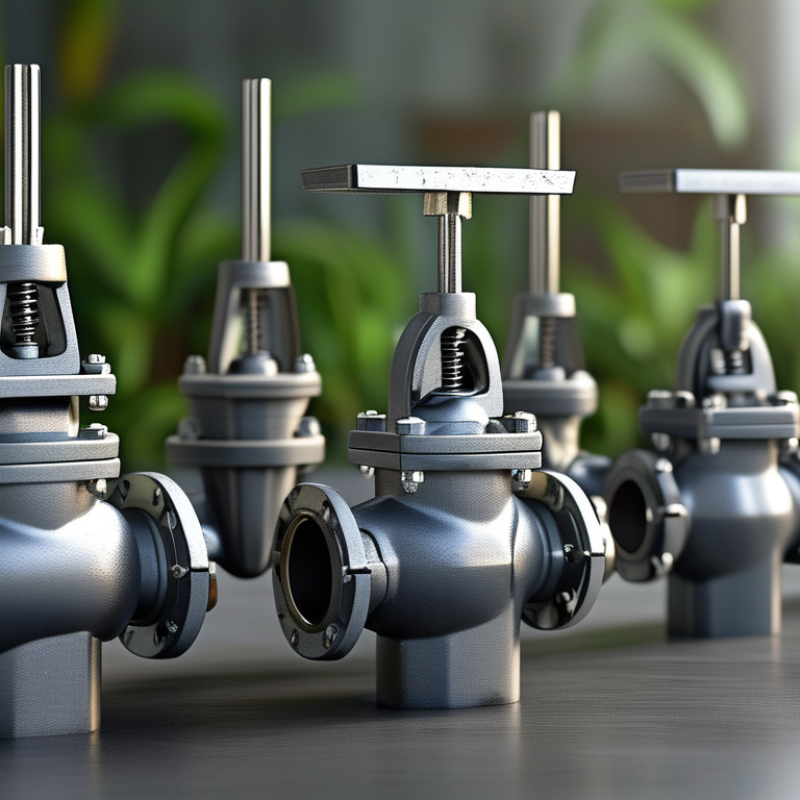
Check valves control reverse flow in water, oil, gas, steam, and process systems. Sizes range from DN15 to DN1200, covering small instrument lines and large transmission pipelines. DN15 may suit a compact pump outlet, while DN1200 demands careful structural support and lifting access. Pressure classes extend from PN6 to PN420. A higher rating is not automatically better. It can increase weight, cost, and installation complexity.
Selection should match pressure, temperature, fluid properties, flow direction, and connection standards. Swing, lift, wafer, and axial designs behave differently during startup and shutdown. High-pressure PN420 service may require forged bodies, precise sealing surfaces, and documented pressure testing. Low-pressure PN6 systems still need stable closing performance, especially when pumps stop suddenly.
Field inspections often find that buyers check the nominal size but overlook water hammer, mounting position, or minimum flow velocity. That mistake can shorten service life.
Tips: Confirm the real operating pressure, not only the design rating. Check pressure derating at elevated temperature. Compare DN and pipe schedules before ordering. Request material certificates, inspection records, and test reports. Verify whether the valve closes against vertical, horizontal, or fluctuating flow. Leave room for maintenance. A neat size match can still fail. Suppliers should explain assumptions clearly, because incomplete operating data may produce a technically correct but unsuitable valve.
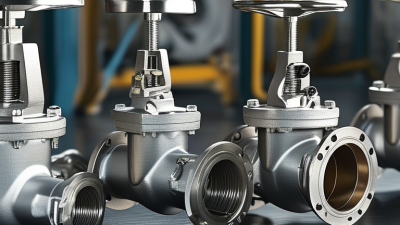
For global buyers, check valve selection in 2026 begins with standards, not catalog photos. API 6D addresses pipeline valve design, testing, documentation, and functional expectations. It suits many oil, gas, and process applications. However, API 6D compliance does not confirm every installation detail. Verify the edition, scope, pressure class, end connection, and inspection records. A valve marked only “API compliant” deserves closer review. Ask for the certificate.
ASME B16.34 establishes pressure-temperature ratings, materials, wall thickness, and manufacturing requirements for many valve types. Its rating depends on material group and operating temperature. A Class 600 valve is not equally capable at every temperature. Check the rating table. Compare body materials with fluid chemistry, minimum design temperature, and corrosion allowance. Small omissions become expensive at site.
ISO 5208 defines pressure testing and leakage-rate designations for valves. Buyers should specify the rate, test medium, pressure, duration, and acceptance criteria. “Zero leakage” is often used loosely, so request the exact ISO designation. For a swing check valve, inspect disc seating, hinge movement, and reverse-flow behavior. For wafer designs, flange alignment matters. Field inspections sometimes find perfect paperwork but poor gasket compression. That is an uncomfortable lesson. Standards guide decisions, but they do not replace application review. Make the datasheet record each test condition, material traceability, and allowable installation orientation.
2026 Top Check Valves for Global Buyers
2026 Valve Selection: Swing, Lift, Dual-Plate, and Axial Designs
Choosing a check valve starts with the fluid, pressure, temperature, and installation position. Swing check valves suit larger pipelines with steady flow and modest pressure loss. Their hinged disc needs enough reverse flow to close properly. Water lines often use them, but abrupt reversal can create damaging water hammer.
Lift check valves offer reliable sealing in compact piping systems. The piston or disc moves vertically against the flow. They work well with clean fluids and higher pressures, especially when installed horizontally. However, their internal passages may collect debris. Maintenance access matters more than many buyers expect.
Dual-plate check valves use two spring-assisted plates and a shorter closing stroke. This design reduces reverse flow and saves space between flanges. It is useful in pump discharge lines and crowded process skids. Axial check valves guide the closure element along the pipeline centerline. They can provide smooth flow and low turbulence.
I have seen projects select the smallest valve to reduce cost. That decision later complicated inspection and replacement. It is not always wise. Buyers should verify face-to-face dimensions, pressure class, seat material, spring performance, and applicable testing requirements. Ask for documented factory tests, material certificates, and clear installation instructions. A valve that fits the drawing may still fail the actual operating cycle. Flow calculations should include start-up, shutdown, pulsation, and possible solids. Small details decide long service life.
2026 Top Check Valves for Global Buyers
Choosing a top check valve in 2026 starts with operating conditions, not a catalog ranking. At -196°C, body toughness, seat behavior, and thermal contraction become practical concerns. At 593°C, seals may degrade, clearances can change, and oxidation deserves attention. Metal-to-metal seating may suit high heat, but it can leak during temperature swings. That trade-off needs testing. In field evaluations, I check material certificates, pressure tests, and low-temperature impact data before approving a design.
Media also controls the decision. Clean liquids, abrasive slurries, wet gases, and corrosive chemicals create different wear patterns. A disc that works well with water may respond poorly to viscous oil. Particles can hold a seat open. Sticky media can slow closure. Real systems are less tidy. I would rather flag uncertainty than hide it.
Flow and Cv requirements must match actual operating data. Calculate Cv from flow rate, pressure drop, specific gravity, viscosity, and phase conditions. For gases, include inlet pressure, outlet pressure, temperature, and compressibility. Oversizing can cause unstable movement and repeated impact. Undersizing can create excessive pressure loss, noise, or cavitation. Installation direction matters too, especially for spring-assisted and lift designs. Verify cracking pressure, reverse-flow leakage, face-to-face dimensions, and maintenance access before purchase. One detail is often missed: start-up flow may differ sharply from normal flow.
For global valve buyers, pressure loss deserves more attention than catalog price. The U.S. Department of Energy estimates pumping systems can consume about 25% of industrial motor electricity. A poorly sized check valve adds permanent head loss. That penalty appears on every operating day. Request flow curves at actual fluid temperature, viscosity, and velocity. Ask for tested cracking pressure, not only a nominal range. Small details matter. A 2-inch valve may behave differently with sludge, gas bubbles, or frequent cycling. The scorecard should record pressure loss in kPa, not vague terms such as “low resistance.”
MTTF needs careful interpretation. IEC 61508-6 supports reliability calculations, while the OREDA Handbook provides failure-rate data for process equipment. Neither source makes a generic valve MTTF automatically transferable. Service conditions change everything. Score the evidence behind each figure. Certification should include material traceability, pressure testing, and applicable conformity documentation. ISO 5208 defines industrial valve leakage-testing procedures; ask for the test class and medium. Cost should include installation, inspection, spares, and energy over the intended life. Compliance also depends on destination, fluid hazard, pressure category, and local documentation rules. Our own buying reviews sometimes overvalue stainless steel and undervalue maintenance access. That is a costly habit. A transparent scorecard should weight pressure loss, verified reliability, certification quality, lifecycle cost, and compliance equally before approval.
Same Day Shipping
ISO Certified Production