Best Water Check Valve Options for Your Global Sourcing Needs?
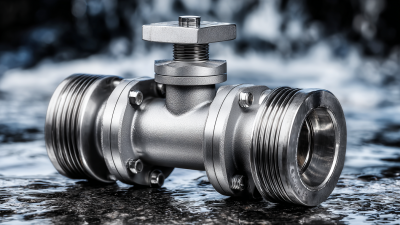
When sourcing water check valves, it's crucial to understand their role in fluid systems. These devices prevent backflow, ensuring clean water supply and system efficiency. In various industries, a reliable water check valve is vital for protecting equipment and maintaining integrity.
Choosing the best options for your needs can be challenging. Factors like material, size, and pressure ratings matter greatly. Many manufacturers offer different designs, each suited to specific applications. It’s important to carefully assess these features. A poor choice can lead to leaks or failure, impacting operations.
Reliability in sourcing is equally essential. A trusted supplier provides quality assurance. Researching reviews and certifications can guide your decision. Remember, a water check valve is not merely a component; it plays a significant role in safeguarding your water systems. Consider your requirements thoroughly to avoid costly mistakes.
Overview of Water Check Valves and Their Importance
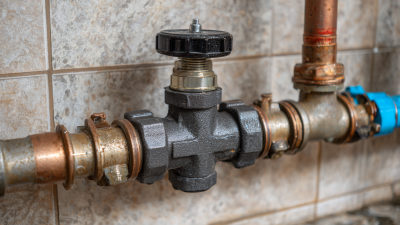
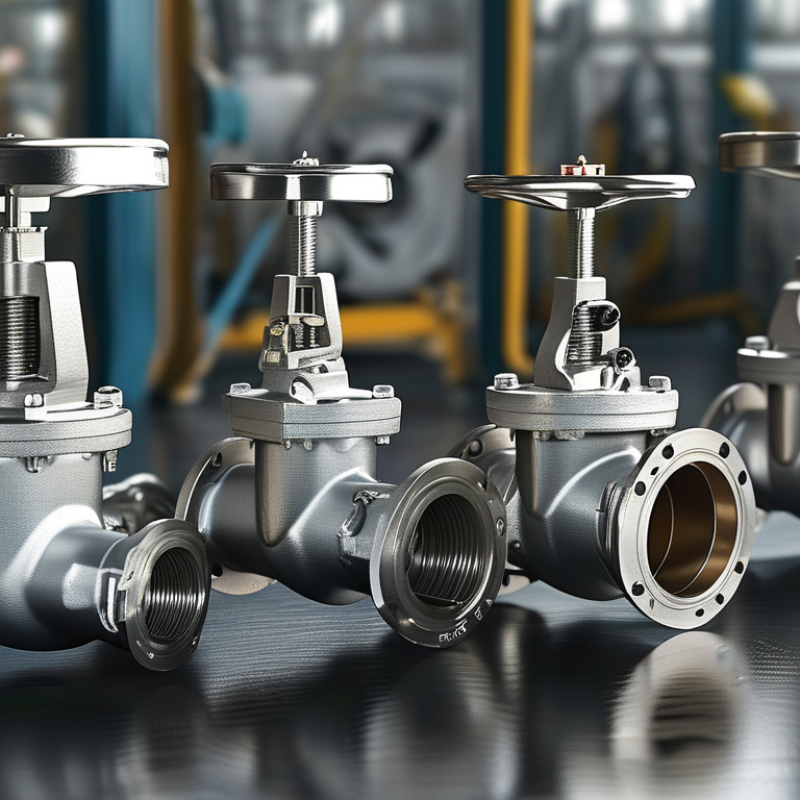
Water check valves play a critical role in fluid systems. They prevent backflow, ensuring the direction of fluid is maintained. This function is vital in various applications, from residential plumbing to industrial systems. By eliminating reverse flow, these valves protect equipment and reduce the risk of contamination. That’s why understanding their importance is essential for effective sourcing.
Installation and maintenance are key factors. Regular checks are necessary to ensure optimal performance. Inadequate attention to these valves can lead to costly repairs. Users may overlook the potential for wear and tear, leading to system failures. Choosing the right material and style is crucial. Understanding the specific needs of your system can improve reliability. Each setting may require a unique valve to perform effectively.
Assessing the options available is important in global sourcing. Different designs and materials can affect performance in various environments. Seek advice from experts when needed. Their insights can guide you toward making informed decisions. Reflecting on past choices can also lead to better outcomes in the future. Ultimately, investing time in understanding water check valves pays off.
Types of Water Check Valves for Different Applications
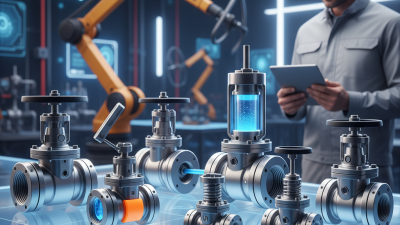
Water check valves are crucial in various applications, ensuring fluid flow in one direction while preventing backflow. There are different types of water check valves available. Each type serves a specific purpose in industries such as construction, plumbing, and manufacturing.
Swing check valves are popular for their simple design. They work well in systems where pressure is consistent. According to a report by the American National Standards Institute (ANSI), these valves can reduce energy costs by 20% in certain industrial applications. However, they may struggle with high fluid velocities. In contrast, spring-loaded check valves can handle more dynamic systems. They provide a tighter seal but can be more complex to install.
Diaphragm check valves are often used in fluid transfer applications due to their low maintenance needs. Data from the Fluid Controls Association indicates that these valves require fewer replacements, which can lead to significant cost savings. However, they can be sensitive to temperature fluctuations, affecting their durability. Understanding the specific application is vital for selecting the right type of valve to ensure reliability and performance.
Best Water Check Valve Options for Your Global Sourcing Needs
This chart displays the different types of water check valves and their general applications across various industries.
Factors to Consider When Sourcing Water Check Valves
When sourcing water check valves, several factors demand attention. For instance, understanding the pressure rating is crucial. Valves must withstand specific pressures to prevent leaks or failures. According to industry reports, a significant percentage of valve failures occurs due to inadequate pressure ratings. Selecting the right pressure range ensures safety and longevity in applications.
Material selection is another vital aspect. Common materials include brass, stainless steel, and plastic. Each offers different levels of resistance to corrosion and wear. A report from the Fluid Control Industry suggests that over 30% of valve malfunctions come from unsuitable materials. Evaluating the environment where the valve will be used can inform your choice significantly. Understanding the impact of chemicals and temperature on the materials helps in selecting the right option.
Lastly, certification and compliance with industry standards are non-negotiable. Many sectors, such as water treatment and manufacturing, require valves to meet specific regulations. A lack of compliance may not only lead to operational failures but also legal ramifications. Investing time in verifying these standards can prevent costly mistakes later. This thorough approach aids in making informed decisions with long-term benefits.
Top Global Suppliers of Water Check Valves
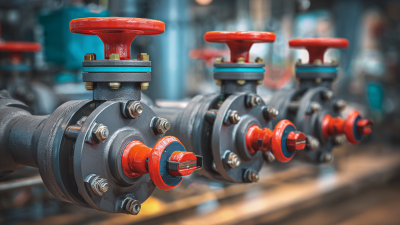
Water check valves are essential in various industries, ensuring the unidirectional flow of liquids. Understanding the global suppliers can help businesses make informed decisions. The market is growing, with a projected value of $10 billion by 2027, according to industry reports. This growth is driven by increasing demand for efficient water management.
When considering suppliers, it's crucial to examine their reliability and product quality. Many manufacturers focus on durability and performance. However, not all suppliers maintain consistent quality standards across their products. Studies indicate that up to 30% of check valves in the market could fail prematurely due to substandard materials.
Finding a trustworthy supplier requires careful assessment. Technical specifications are vital. Factors such as materials, certifications, and testing procedures should not be overlooked. Some suppliers may promise high standards but lack proper certifications. Seeking out industry reviews and expert evaluations can provide deeper insights into supplier credibility.
Maintenance and Best Practices for Water Check Valves
In the world of water systems, check valves play an essential role in preventing backflow. Regular maintenance ensures these valves function effectively and extend their lifespan. According to industry reports, improper maintenance can reduce a valve's efficiency by up to 30%. It's crucial to perform routine inspections to check for wear, leaks, or corrosion. Always replace damaged seals, as these are vital for maintaining proper sealing and preventing leaks.
Tips for maintaining water check valves: Regularly inspect the valve for any unusual noises or leaks. Clean the valve regularly to avoid scaling and build-up. A good practice is to employ a wet-dry vacuum for localized cleaning. Consider using visual inspection methods to detect issues early.
Another aspect to monitor is the operating environment. Extreme temperatures can affect valve performance. Ideally, maintain a temperature range of 32°F to 140°F. Using the correct materials tailored to your specific application can mitigate issues. Data shows that valves made with durable materials last significantly longer, leading to savings in the long run. Neglecting these aspects can lead to frequent replacements, costing more than proper maintenance would.
Best Water Check Valve Options for Your Global Sourcing Needs
| Model |
Size (inches) |
Material |
Pressure Rating (psi) |
Temperature Range (°F) |
Maintenance Tips |
| Model A |
2 |
Brass |
150 |
20 to 200 |
Inspect annually, clean debris. |
| Model B |
3 |
PVC |
120 |
32 to 140 |
Check for leaks semi-annually. |
| Model C |
1.5 |
Stainless Steel |
200 |
0 to 250 |
Lubricate seals quarterly. |
| Model D |
4 |
Ductile Iron |
250 |
50 to 300 |
Inspect gaskets for wear. |