2026 Best Butterfly Valve Options for Global Buyers?
In the world of industrial valves, the butterfly valve stands out for its efficiency and versatility. This essential component is widely used in various sectors, from water treatment to chemical processing. Understanding the best options available can empower global buyers to make informed decisions.
Choosing the right butterfly valve requires expertise. Factors include material selection, size, and pressure rating. Each application may demand specific features, which adds complexity. Some manufacturers claim superiority without providing solid proof. This makes research critical.
Moreover, it's important to recognize the changing market trends. New technologies emerge regularly, impacting performance and pricing. Buyers may find it challenging to navigate these options. Yet, informed choices can lead to better project outcomes. The goal is to ensure reliability and functionality in every installation.
Overview of Butterfly Valves: Definition and Functionality
Butterfly valves are essential components in many fluid control systems. They consist of a circular disc that rotates within the valve body to regulate flow. This design allows for quick operation and easy maintenance. According to industry reports, the global butterfly valve market was valued at approximately $4.2 billion in 2022 and is projected to grow by 4.1% annually. The increased demand for efficient fluid management in various sectors drives this growth.
These valves function by using minimal space, making them suitable for tight installations. Their robust construction often ensures longevity, even in harsh conditions. However, not all butterfly valves perform equally. Factors such as material selection and design specifics can significantly influence their reliability and efficiency. For instance, certain polymer options can offer corrosion resistance but may lack robustness in high-pressure situations.
Misapplications are a common issue; many users overlook the importance of matching the valve type with the system's requirements. This oversight can lead to leaks or functional failures. Proper training and consultation are crucial for achieving optimal operation and longevity of these valves. Understanding the nuanced balance between performance and application can save costs and enhance system reliability in the long run.
Key Considerations for Selecting Butterfly Valves in 2026
When selecting butterfly valves in 2026, several key considerations are essential for global buyers. First, understand the application requirements. Different industries have varying needs. Some valves may require high pressure tolerance, while others need temperature resistance. Assess the operating environment carefully. Deriving a clear picture of these criteria helps in making informed choices.
Material selection plays a significant role in durability and performance. Common materials include stainless steel and plastic compounds. Each has its benefits and disadvantages. For instance, stainless steel offers corrosion resistance but is costlier. Plastic may be budget-friendly but may not withstand extreme conditions. Buyers must weigh these factors thoughtfully.
Additionally, evaluate the valve's design features. The choice between wafer, lug, or concentric types can impact installation and maintenance. Some designs may be easier to service, while others offer better sealing performance. It’s crucial to consider how each design aligns with specific operational needs. Engage with industry experts when in doubt. This helps uncover insights that may not be immediately apparent. Remember, making a decision without thorough analysis can lead to costly mistakes.
2026 Best Butterfly Valve Options for Global Buyers
| Valve Type |
Size (inches) |
Body Material |
Temperature Rating (°C) |
Pressure Rating (PSI) |
Price Range (USD) |
| Wafer Butterfly Valve |
2 - 12 |
Cast Iron |
-10 to 80 |
150 |
50 - 200 |
| Lug Butterfly Valve |
2 - 10 |
Stainless Steel |
-20 to 150 |
300 |
100 - 300 |
| Double Flange Butterfly Valve |
4 - 30 |
Carbon Steel |
-30 to 200 |
600 |
150 - 500 |
| PVC Butterfly Valve |
2 - 8 |
PVC |
0 to 60 |
150 |
20 - 100 |
| Electric Butterfly Valve |
2 - 12 |
Aluminum |
-10 to 80 |
300 |
200 - 700 |
Top Manufacturers of Butterfly Valves: A Global Perspective
In the global market, the butterfly valve stands out for its adaptability and efficiency. Various manufacturers have emerged, each offering unique features tailored to diverse applications. These valves are critical in sectors such as water treatment, oil and gas, and HVAC systems. To choose effectively, buyers need to understand the specific needs of their operations.
Leading manufacturers often emphasize durability and reliability. They invest in advanced materials and innovative designs, ensuring optimal performance under varying pressure and temperature conditions. However, not every option is perfect. Some valves might have limitations in terms of size or pressure rating. Buyers should consider these aspects carefully before making a decision.
Pricing also varies widely among manufacturers. This discrepancy can influence the choice significantly. While some producers offer affordable options, others justify higher prices through superior technology. It’s essential to assess the balance between cost and performance. Open communication with suppliers can yield insights into long-term reliability and maintenance needs, guiding buyers toward the best decision.
Comparative Analysis of Styles: Flanged vs. Wafer Butterfly Valves
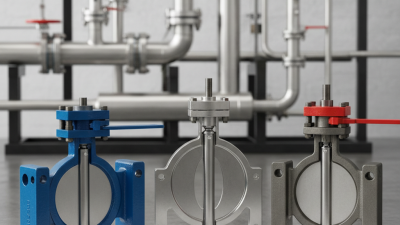
When selecting butterfly valves, buyers often face the choice between flanged and wafer styles. Flanged butterfly valves are known for their robust connection to pipelines. They require flange surfaces for proper installation, making them less versatile in certain applications. The World Valve Organization reports these valves handle high-pressure settings better, reflecting their enhanced sealing capabilities.
Wafer butterfly valves, in contrast, offer a compact design. They fit between two flanges and are easier to install in tight spaces. This style is often preferred for low-pressure applications and has gained popularity in the water treatment sector. Research from the Valve Manufacturing Association indicates that wafer designs can reduce installation costs by 30%, making them economically appealing.
However, both styles have downsides. Flanged valves may complicate maintenance due to their bulkiness. Meanwhile, wafer valves could face challenges in high-pressure conditions, leading to potential leaks. A balance between cost, application, and durability is vital for buyers. A comprehensive analysis of both styles ensures informed decision-making in diverse industrial contexts.
Future Trends in Butterfly Valve Technology and Market Demand
As the demand for efficient flow control solutions rises, butterfly valves are evolving rapidly. Technological advancements are enhancing their performance and reliability. New materials are being developed to improve durability while minimizing weight. For instance, lightweight composite materials provide advantages in both handling and environmental resistance. This shift is particularly crucial as industries focus on reducing their carbon footprints.
Market trends indicate a surge in demand for automated butterfly valves. Robotics and smart technologies are incorporating advanced control systems for better precision. However, integrating these systems can be complex and requires careful planning. Engineers must ensure that compatibility with existing infrastructure is achievable. Additionally, training for operations staff is essential to leverage these new features effectively.
Sustainability is a significant consideration within the industry. Companies are increasingly seeking valves made from recyclable or eco-friendly materials. Although promising, the reliability of these new products must be proven over time. Some options may currently lack long-term testing in real-world applications, leading to uncertainty. A balance must be struck between innovation and practical application as we move toward 2026.