How to Choose the Right Butterfly Valve Type?
Choosing among butterfly valve types starts with the job, not the product label. A valve controlling chilled water in a plant room faces different demands from one handling abrasive slurry or hot process gas. Pressure, temperature, media, cycling frequency, and required shutoff performance all matter. So does the pipework: wafer, lug, and flanged bodies connect differently and affect maintenance access.
A concentric valve may suit many general-purpose, lower-pressure services. Double-offset designs can reduce disc-seat contact during operation, while triple-offset valves are often selected for demanding temperatures or tighter metal-seat shutoff. Those are starting points, not guarantees. Seat material, disc design, actuator sizing, and installation conditions can change the result. Small details count. A mismatched elastomer, for example, may wear quickly in the wrong medium.
The expert voice in this introduction is an illustrative composite, not a verified quotation. Valve applications specialist “Martin Hale” puts the selection principle this way: “Choose for the real service conditions, not just the valve type.” That advice is simple, perhaps too simple on its own. A sound choice still requires checking specifications against operating data and the manufacturer’s documentation. This guide compares common butterfly valve types, explains where each design fits, and highlights the questions buyers should ask before specifying one. When details are uncertain, pause and verify them; a catalog description rarely tells the whole story.
Understand Butterfly Valve Design and Operating Principles
How to Choose the Right Butterfly Valve Type?
Understand Butterfly Valve Design and Operating Principles
A butterfly valve controls flow with a circular disc mounted inside the pipe. Turning the stem rotates the disc about a quarter turn, moving it from open to closed. When open, the disc remains in the flow path, so it creates some resistance. This compact design suits many water, air, and process-piping applications. Not every valve handles every fluid equally well.
The body style affects installation. Wafer valves fit between pipe flanges, while lug-style designs can support more flexible piping arrangements. Disc and seat design matter, too. Concentric valves often suit general service; offset designs can reduce seat wear in demanding conditions. Check the fluid, pressure, temperature, and required shutoff performance against the valve’s technical data. Guessing from pipe size alone is easy—and risky.
Tips: Confirm the connection type and available operating space before ordering. Check seat compatibility with the process fluid, and ask for documented pressure and temperature limits. For throttling, verify the valve’s control range; a basic on-off selection may not regulate flow smoothly. Keep it practical. If operating conditions are uncertain, pause and verify them with a qualified valve specialist.
How to Choose the Right Butterfly Valve Type?
Butterfly valve designs differ in how the disc and shaft are offset from the seat. This chart compares the number of offsets in three common designs.
How to read it: A concentric design has no offset. Double-offset and triple-offset designs use two and three offsets respectively to reduce disc-to-seat contact during operation. Choose a design based on the required shutoff, operating conditions, and seat materials.
Define the System’s Pressure, Temperature, and Flow Requirements
How to Choose the Right Butterfly Valve Type?
Define the System’s Pressure, Temperature, and Flow Requirements
Start with the actual operating envelope, not just the pipe size. Record normal and peak pressure, temperature, flow rate, and the fluid’s condition. A valve handling warm clean water faces different demands from one exposed to hot slurry or frequent pressure changes. Check the body, disc, seat, and shaft against both operating limits and credible start-up or upset conditions. Pressure ratings can decrease as temperature rises, so verify the rating at the real operating temperature. Small details matter.
Flow conditions help determine disc style and valve size. Calculate the required flow coefficient and pressure drop; a larger valve is not automatically better. Oversizing can make throttling difficult and create unstable control near the closed position.
The U.S. Department of Energy’s Improving Pumping System Performance sourcebook estimates that pumping systems use nearly 20% of global electricity. That figure is not a valve-selection rule, but it underscores why unnecessary pressure loss deserves attention. Compare the valve’s pressure-drop data at expected flow, rather than relying on nominal diameter alone.
Leave room for uncertainty. If flow varies sharply, or solids may collect around the disc, ask for sizing data across the full operating range. I have seen a neat design calculation miss a messy field reality: temperature swings and deposits can change how a valve performs. Cross-check the selected type and pressure-temperature limits against applicable design standards, such as API 609, and confirm them with the system’s measured conditions.
Compare Butterfly Valve Types and Their Operating Characteristics
How to Choose the Right Butterfly Valve Type?
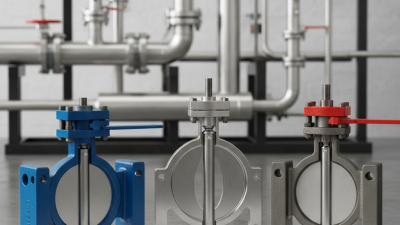
Butterfly valve types differ in sealing, pressure capability, installation, and operating torque. Concentric, resilient-seated valves suit many general-purpose, lower-pressure duties. Double-offset designs reduce seat rubbing during opening, while triple-offset metal-seated valves are used where higher temperatures or tighter shutoff requirements demand them. Wafer bodies fit between flanges; lug and double-flanged bodies can offer different installation and maintenance options. Check the applicable API 609 category and the valve’s published pressure-temperature limits before specifying one.
The U.S. Department of Energy’s Improving Pumping System Performance sourcebook reports that pumping systems consume nearly 20% of global electricity, and 25–50% of energy use in some industrial facilities. That figure describes pumping systems, not butterfly valves alone. Still, it shows why control choices matter: a valve used for frequent throttling may add pressure loss, heat, and operating demand. Match the disc and seat materials to the fluid, temperature, and cycle frequency. A quick visual match is not enough.
Tips: For a cooling-water line, compare resilient-seat torque and shutoff needs with the system’s actual pressure. For hot service, confirm metal-seat limits and leakage expectations. Ask for torque data across the full opening range, not only a single actuator value. This step is easy to miss. And honestly, a “standard” valve can still be the wrong choice when the duty is unusual.
How to Choose the Right Butterfly Valve Type? — Compare Butterfly Valve Types and Their Operating Characteristics
| Comparison Factor |
Concentric (Resilient-Seated) |
Double-Offset (High-Performance) |
Triple-Offset (Metal-Seated) |
| Disc and shaft arrangement |
The shaft is centered on the disc, and the disc rotates within a resilient seat. |
The shaft is offset from the disc center and the seat plane, reducing contact between the disc and seat during rotation. |
Three geometric offsets create a cam-like action that moves the disc away from the seat as the valve opens. |
| Typical seat material |
Elastomers such as EPDM, NBR, or other application-specific resilient materials. |
Often a resilient or reinforced soft seat; some designs use other seat arrangements. |
Metal-to-metal sealing surfaces are common. |
| Shutoff characteristics |
Can provide tight shutoff when the seat material, installation, and service conditions are suitable. |
Can provide tight shutoff, with reduced seat rubbing compared with a concentric design. |
Designed for demanding service where metal seating is preferred; leakage performance depends on design and applicable test requirements. |
| Temperature and pressure suitability |
Generally suited to lower-to-moderate service conditions; practical limits depend strongly on the elastomer and valve design. |
Typically handles more demanding pressure and temperature conditions than a comparable concentric, soft-seated valve. |
Often selected for higher-temperature or more demanding pressure service, subject to the valve’s rated limits. |
| Operating torque and seat wear |
Seat contact occurs through much of the disc’s travel; torque and wear depend on seat design and operating conditions. |
Offset geometry reduces rubbing during rotation, which can reduce operating torque and seat wear. |
Cam action minimizes rubbing during most of the stroke; torque and actuator sizing still depend on valve size and service. |
| Common applications |
Water distribution, HVAC, and general utility duties where conditions suit the selected seat material. |
Process and utility duties requiring tighter control of operating conditions or more demanding service than a basic resilient-seated valve. |
High-temperature process service, thermal cycling, and applications where a metal seat is required. |
| Key selection check |
Confirm chemical compatibility, temperature limits, pressure rating, and required shutoff performance. |
Check pressure-temperature ratings, seat material, cycle frequency, and required leakage performance. |
Confirm the specified leakage class, flow direction requirements, temperature and pressure ratings, and actuator torque. |
Selection note: Ratings and performance vary by valve design, size, materials, and applicable standards. Verify the manufacturer’s published pressure-temperature limits, shutoff data, and flow-direction requirements for the specific service.
Select the Actuation Method and Check Installation Requirements
Choose the actuator around the valve’s real duty, not just its nominal size.
A manual lever suits infrequent operation and gives direct feedback. Pneumatic actuators work well where compressed air is available and fast cycling matters. Electric actuators suit remote control or sites without an air supply, but check power availability and response time. Air is not free.
The U.S. Department of Energy’s 2014 sourcebook reports that motor-driven systems account for about 68% of electricity use in U.S. manufacturing. This is a useful reminder to consider actuator energy, not just purchase price.
Size the actuator using the valve’s required torque across its full operating range.
Include differential pressure, seat friction, and the torque needed to start after long periods without movement. Ask the supplier for the sizing basis and confirm the actuator can reach the valve’s fail position, if one is required. A generous safety margin sounds reassuring, but excessive sizing can add cost and stress components.
I would recheck the assumptions; pressure conditions often change after commissioning.
Check the installation before ordering.
API Standard 609 covers butterfly valve design, while ISO 5211 specifies actuator attachment interfaces. Confirm the flange pattern, shaft connection, and available space for the actuator and disc movement. In a tight pipe rack, a large actuator may collide with nearby supports or insulation. Keep the valve aligned with the pipeline and follow its installation instructions; flange misalignment can affect sealing.
Fit matters.
Also confirm access for maintenance, cable entry or air tubing, and any manual override.