How to Choose a Stainless Ball Valve in 2026

Choosing a stainless ball valve in 2026 takes more than matching a pipe diameter. The right choice depends on the fluid, operating temperature, pressure, and how often the valve will cycle. A valve installed on a washdown line may face different demands from one handling hot process water. Even small details matter: body grade, seat material, end connection, and whether the handle can turn freely in a cramped space.

A useful selection principle in Philip L. Skousen’s Valve Handbook is to match valve construction to actual service conditions. In paraphrase: “Choose for the process, not just the catalog description.” That distinction can prevent a polished-looking valve from becoming a maintenance problem. Stainless steel grades are not interchangeable, and a compatible body does not guarantee compatible seals. Check the manufacturer’s pressure-temperature data and material specifications before ordering.

This guide explains how to compare those details and ask better questions of suppliers. Look for clear documentation, traceable specifications, and practical support—not just a low price. A missing datasheet is a warning sign. Still, no checklist replaces site-specific engineering review. That is easy to forget when a valve looks standard. A carefully selected stainless ball valve should fit the service, connect cleanly, and operate smoothly under expected conditions.
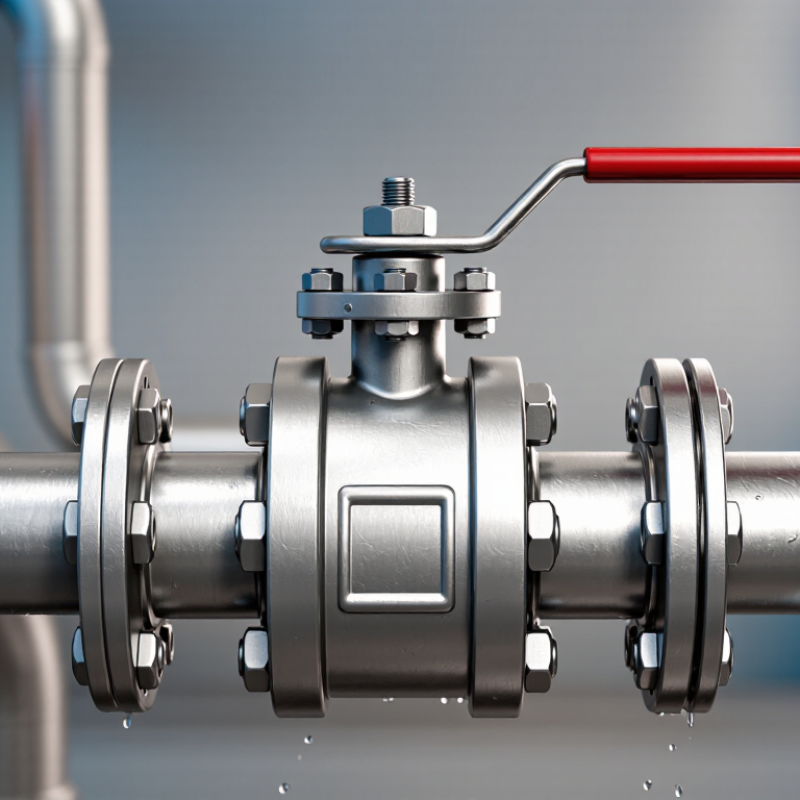
How to Choose a Stainless Ball Valve in 2026

Define the Application and Operating Conditions

Before comparing stainless ball valves, write down what will pass through them and what the line will experience. Identify the fluid, concentration, contaminants, and cleaning chemicals. “Water” is not specific enough. Chlorides, for example, can increase pitting risk in stainless steel, especially as temperature rises. Record normal and maximum pressure, operating temperature, flow direction, and how often the valve cycles. Include startup, shutdown, and pressure surges. Small details matter.

Check the valve’s pressure-temperature rating against the actual operating envelope, not just the pipe size. ASME B16.34 provides pressure-temperature rating requirements for valves; confirm the selected valve meets the applicable rating. The NACE IMPACT study estimated global corrosion costs at US$2.5 trillion annually, or about 3.4% of global GDP. That figure covers many industries, not ball valves alone, but it shows why matching materials to service conditions deserves attention. Consider seat material, seal compatibility, and whether the valve must isolate, throttle, or support frequent operation. I still find one point easy to miss: a valve that fits the line may not suit its fluid. Write down assumptions, too; they are often where selection errors begin.
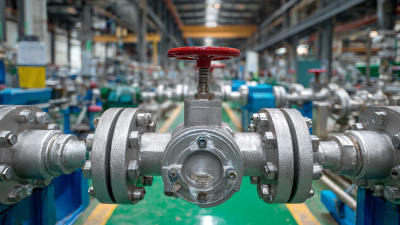

Choose the Stainless Steel Grade and Valve Materials

For a stainless ball valve, choose the grade from the fluid chemistry, chloride level, temperature, and cleaning routine—not from the word “stainless” alone. Grade 304 can suit many mild-water and general-service applications. Grade 316, with molybdenum, usually offers better resistance to chlorides, but it is not immune to pitting in concentrated salt or stagnant crevices. Duplex stainless steel may be appropriate for demanding chloride service, provided its temperature limits and fabrication requirements fit the system. Small details matter. A wet valve left partly open can trap fluid around the ball and expose weaknesses that a simple material chart misses.

The NACE IMPACT study estimated corrosion costs at US$2.5 trillion annually, or 3.4% of global GDP, and reported potential savings of 15–35% through improved corrosion management. Treat that figure as a broad industry benchmark, not a valve-selection prediction. For the valve itself, check the ball, stem, body, and trim materials separately. A 316 body paired with a less-resistant ball or unsuitable stem may still fail early. Match seats and seals to both the process fluid and operating temperature; PTFE, for example, is not suitable for every service condition. I would also verify the manufacturer’s material certificates and inspect wetted-part specifications. The uncomfortable truth: many specifications list the body grade and leave the critical internals vague.

How to Choose a Stainless Ball Valve in 2026: Compare Stainless Steel Grades

Bars show approximate midpoint composition by weight, based on commonly specified chemical-composition ranges for these grades. Higher chromium and molybdenum content can support corrosion resistance in many environments, but the right valve material also depends on the fluid, chloride level, temperature, pressure, and applicable standards. 316 and 316L have similar alloying-element ranges; 316L has a lower carbon limit.

Select the Valve Design, Port Type, and Connections

A stainless ball valve should match the fluid, operating pressure, and maintenance plan—not just the pipe size. Choose a floating-ball design for many smaller lines; larger or higher-pressure duties may call for a trunnion-mounted ball. Full-port valves reduce flow restriction and help pass cleaning tools, while reduced-port models are often more compact. Check the actual bore dimensions. “Full port” does not mean every valve has an identical opening.

Connection choice affects installation and future service. Threaded ends suit some smaller lines, but require compatible threads and careful sealing. Flanged ends simplify removal; welded ends reduce joints but make replacement harder. Three-piece bodies can ease in-line maintenance, though they still need safe isolation before disassembly. ASME B16.34 provides pressure-temperature ratings by material and class, while API 598 covers inspection and pressure testing. The International Stainless Steel Forum’s Stainless Steel in Figures 2024 reports 58.4 million tonnes of stainless-steel production in 2023. That is useful supply-chain context, not proof of valve quality. Confirm the alloy grade, seat material, connection standard, and test documentation against the actual service. Easy to overlook. A valve that fits the pipe may still have the wrong pressure rating.

How to Choose a Stainless Ball Valve in 2026 - Select the Valve Design, Port Type, and Connections

Selection Factor Common Options How to Choose Key Checks
Valve design Floating ball; trunnion-mounted ball Floating designs are common for smaller-bore service. Trunnion-mounted designs support the ball at both ends and are often selected for larger sizes or higher differential-pressure applications. Confirm size, operating pressure, differential pressure, torque, and the manufacturer’s pressure-temperature limits.
Port type Full port; reduced port Choose full port when minimizing flow restriction or allowing passage of cleaning tools is important. Reduced port can be more compact and economical where some flow-area reduction is acceptable. Compare the valve’s bore with the pipe’s internal diameter and check flow capacity and pressure drop.
Flow configuration Two-way; three-way (L-port or T-port) Use a two-way valve for straightforward shutoff. A three-way valve can divert or mix flow; the required flow path depends on the ball-port pattern and handle position. Check the port diagram, allowable switching sequence, and whether any position can block all outlets.
Body material Stainless steel 304 or 316; cast stainless grades may include CF8 or CF8M Select a grade based on the fluid, concentration, temperature, and exposure conditions. Type 316 generally offers better resistance to chloride-related corrosion than 304, but it is not suitable for every chloride environment. Verify the exact material specification, wetted components, corrosion data, and any required material certificates.
End connections Threaded; flanged; butt-weld; socket-weld; sanitary clamp Match the connection to the piping system, installation method, service conditions, and cleaning requirements. Sanitary connections are commonly used where cleanability is a priority. Specify the exact thread, flange, weld-end, or clamp standard, size, and pressure class. Different standards may not be interchangeable.
Seat and seal materials PTFE; reinforced PTFE; PEEK; elastomers, depending on design Choose materials compatible with the process fluid and operating conditions. Seat and seal choices affect temperature capability, chemical compatibility, wear, and shutoff performance. Check the specific compound’s temperature and chemical-resistance data; do not assume the body’s rating applies to the seats or seals.
Pressure and temperature Ratings vary by design, size, materials, and connection standard Select a valve rated for the maximum operating pressure and temperature, including relevant start-up, shutdown, and upset conditions. Use the valve’s pressure-temperature table and applicable code or standard; never rely on a single generic rating.
Operation and actuation Manual lever; gear operator; pneumatic or electric actuator Manual operation may suit accessible, occasional use. Consider an actuator for remote control, frequent cycling, automation, or fail-safe requirements. Confirm required torque, duty cycle, control signal, available power or air supply, mounting interface, and fail position.

Selection note: Treat these points as general guidance. Confirm compatibility, ratings, applicable standards, and installation requirements for the specific service before ordering.

Check Pressure Ratings, Standards, and Certifications

How to Choose a Stainless Ball Valve in 2026

A stainless ball valve’s pressure rating is only useful when matched to operating conditions. Check the rated pressure at the expected temperature, not just at room temperature. Stainless steel strength and seat performance can change as temperatures rise. Allow for pressure surges, frequent cycling, and the pressure difference across the valve. A small detail matters: the valve may handle line pressure but not the full differential during shutoff. Check the datasheet.

Standards help define design, testing, materials, and end connections. Confirm which standard applies to your service and whether the valve’s size and connection type are covered. Do not assume that a familiar standard name means every requirement has been met. Ask for the test procedure and acceptance criteria. Standards have editions, too, and that detail is easy to overlook.

Certifications should match the exact valve configuration, including body material, seats, seals, and pressure class. Review certificates for scope, issuing organization, and traceability to the supplied valve. A certificate for a material batch does not automatically certify the finished assembly. If documents use vague wording, ask for clarification before purchase. That extra check can feel fussy, but guessing is worse. Choose documentation you can verify, not just a claim printed on a product sheet.

Compare Suppliers and Plan Installation and Maintenance

Compare suppliers on more than quoted price. Ask for the stainless-steel grade, pressure and temperature limits, seat material, and documented test results. Request traceability records and confirm that the stated specifications match your process fluid. A neat certificate is useful, but it does not replace clear answers about actual service conditions. Small details matter.

Plan installation before the valve reaches the site. Check pipe alignment, support, access for the handle, and any flow-direction marking. Keep debris out of the line, and do not use the valve to pull misaligned pipes together. Follow the supplier’s installation instructions and your site’s approved leak-testing procedure. Record how smoothly the valve operates when new; that baseline can help reveal later changes. Maintenance needs can be easy to underestimate.

Tips: Confirm spare-seat and packing availability before ordering. Keep a simple inspection log, noting leaks, corrosion, and changes in operating effort. Isolate and depressurize the line before servicing, and use qualified personnel. Not every checklist catches a field surprise, so review the plan with the people who will install and maintain the valve.