Choosing the China best knife valve manufacturer for global buyers requires more than comparing factory prices. A knife valve must match the medium, pressure, temperature, pipeline size, and operating frequency. Slurry, wastewater, pulp, ash, and dry powder each create different sealing challenges. A supplier should explain these differences clearly.
Valve authority Philip L. Skousen is often associated with a practical engineering principle: “A valve is not selected in isolation; it is selected as part of a system.” That principle remains valuable when reviewing Chinese manufacturers. Buyers should inspect body materials, gate design, seat construction, actuator options, coating quality, and testing procedures. Ask for measurable evidence, including pressure-test records, material certificates, dimensional drawings, and traceable inspection reports.
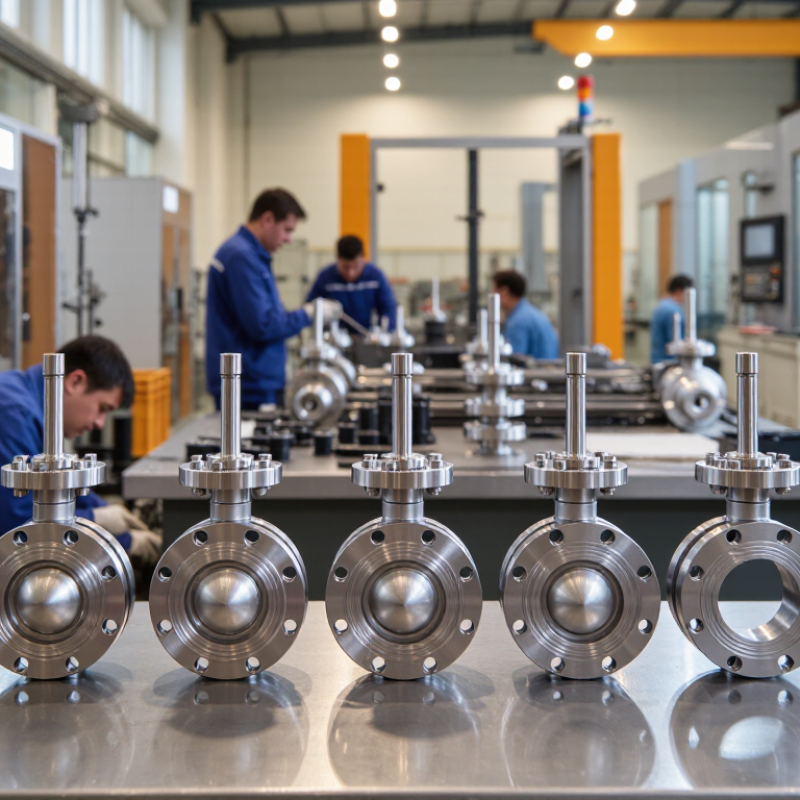
Factory experience matters. A serious manufacturer can show machining lines, assembly stations, and testing equipment. Look closely at details. Are stainless-steel surfaces clean? Are packing glands adjusted evenly? Are nameplates readable after coating? Small signs can reveal larger quality habits.
Certification helps, but it is not the whole answer. A certificate cannot replace process control or responsive technical support. Export experience also deserves attention, especially for spare parts, documentation, packaging, and communication across time zones.
The decision is rarely perfect. Some buyers focus too heavily on the lowest quotation and regret weak sealing performance later. Others over-specify every component and inflate project costs unnecessarily. The better approach is evidence-based comparison, supported by application data and transparent communication. A dependable China knife valve partner should sell engineering confidence, not simply a catalog product.
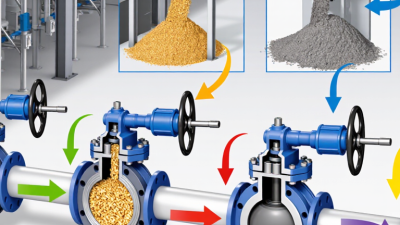
A knife valve controls flow through a sliding blade. The blade cuts through thick media, such as pulp, sludge, powder, or wastewater. Its compact body fits narrow pipelines, while the straight-through passage can reduce blockage. In practical installations, sealing quality matters most when fibers or abrasive particles collect around the gate. A poorly matched valve may leak, jam, or require frequent maintenance.
Manufacturer selection affects performance from the first drawing to final inspection. Experienced producers should understand pressure ratings, temperature limits, seat materials, actuator choices, and pipeline conditions. They should also offer clear technical data, dimensional drawings, material certificates, and test records. Reliable factories inspect blade thickness, body casting, stem alignment, and sealing surfaces. Small errors become expensive after installation. I have seen product specifications look complete, yet omit the actual medium concentration. That detail can change the recommended design.
Tips: Share the medium, pressure, temperature, pipe size, and operating frequency before requesting a quotation. Ask for sample inspection reports and installation guidance. Check whether testing covers leakage, operation, and surface defects. Do not choose only by price. A cheaper valve can demand more downtime later. Even good advice has limits when site conditions remain unclear.

Evaluating a Chinese knife valve manufacturer requires more than checking product photos. Review the engineering drawings, pressure ratings, sealing materials, and body construction. Ask whether the factory controls machining, welding, assembly, and testing in-house. A reliable supplier should provide material certificates, dimensional records, and pressure-test reports for each production batch. During a factory visit, inspect machining areas, storage conditions, and calibration labels. Clean floors do not prove quality, but poor traceability is a warning sign. Experience matters here.
Request samples that match your actual service conditions, including abrasive slurry, corrosive media, temperature changes, or frequent cycling. Check gate movement, seat leakage, actuator alignment, and surface finish. The valve should operate smoothly without unusual resistance. Ask how rejected parts are recorded and corrected. This answer often reveals more than a sales presentation. I would also compare pilot samples with mass-produced units, because quality can drift after approval. That risk deserves attention.
Tips: Examine test procedures, not only certificates. Confirm whether inspection equipment is calibrated and independently verified. Ask for production references with similar pressure and media requirements. Discuss spare parts, lead times, packaging, and technical support before placing an order. A video audit helps, but it cannot replace physical inspection. Use a clear acceptance checklist. Keep one detail in mind: low pricing may reflect efficient production, or it may hide thinner materials and weaker process control.
Global buyers should compare knife valve materials against the actual medium, pressure, temperature, and solids content. Ductile iron suits many general water applications. Carbon steel offers strength in demanding industrial service. Stainless steel resists corrosion from aggressive fluids. Duplex alloys can improve performance in chloride-rich environments, but they increase purchasing costs.
Seat selection deserves equal attention. EPDM handles many water services, while PTFE supports broader chemical compatibility. Metal seats may suit hot, abrasive, or high-cycle applications. However, no material performs perfectly everywhere. A valve tested with clean water may behave differently with slurry, fibers, or crystals. Ask for pressure ratings, temperature limits, body material certificates, and test records. Standards such as API 598, ASME B16.34, MSS SP-81, and relevant EN requirements should match the project specification.
Tips: Compare wafer and lug designs with your pipeline layout. Check face-to-face dimensions before ordering. Confirm whether the valve is bidirectional or flow-directional. Review stem protection, actuator torque, packing access, and replacement-seat availability. A handwheel may work for small valves, but larger sizes often need pneumatic, electric, or hydraulic actuation. Buyers sometimes focus on the lowest quoted price and overlook coating thickness or inspection scope. That choice can create hidden maintenance costs. Request drawings, cycle-test data, and independent inspection when service conditions are severe.
Choosing the best knife valve manufacturer for global buyers requires more than comparing prices. Quality control should be visible, documented, and repeatable. Ask for material traceability, dimensional inspection records, and pressure test results for each production batch. A reliable factory should explain how sealing surfaces, body thickness, and actuator connections are checked. Photographs help, but independent inspection is stronger evidence.
Customization also reveals technical competence. Share process conditions, media characteristics, temperature ranges, and installation drawings before requesting a quotation. Skilled engineers can recommend suitable materials, seat designs, flange standards, and operating methods. They should identify design limits clearly. A quick “yes” to every request may indicate weak engineering rather than flexibility. Drawings must receive careful review before production.
Technical support matters after delivery. Test response times with practical questions, not general promises. Can the team provide installation guidance, spare-part lists, troubleshooting steps, and maintenance intervals? Clear manuals should include torque values and inspection points. Ask how urgent field problems are escalated. Support may look excellent during sales discussions, then become slow later. That risk deserves honest attention. No manufacturing system is flawless, including one with impressive certificates. I would inspect samples, question unusual claims, and record every agreed specification before payment. Small details often decide whether a valve performs reliably in a real pipeline.
Price is only the visible part of a knife valve purchase. A serious quotation should separate body material, seat type, pressure rating, actuator, testing, packaging, and delivery terms. Stainless steel and duplex grades can change the cost sharply. So can customized dimensions. The lowest offer may exclude inspection or export packing.
For export planning, buyers should verify HS 8481 classification, commercial invoices, packing lists, certificates, and the agreed Incoterm. The World Bank’s 2023 Logistics Performance Index rated China at 3.7 out of 5. This suggests strong logistics capability, but it does not guarantee every shipment. Port congestion, documentation errors, and unclear responsibility can still delay delivery. Requesting a recent shipping example is practical. It reveals more than a polished factory profile.
Reliability needs evidence.
Ask for material certificates, serial-number traceability, pressure-test records, and drawings approved before production. ISO 5208 provides recognized leakage-testing methods for industrial valves. However, compliance claims should be checked against actual records. In procurement work, I have seen technically correct samples fail because production control was weak. That uncomfortable detail matters. A supplier audit should review calibration, welding procedures, inspection staff, and corrective-action history. Buyers should also compare landed cost, not factory price alone. According to UN Comtrade, valves fall under HS 8481, but this broad category mixes many products. Its trade value cannot prove one manufacturer’s quality.
Same Day Shipping
ISO Certified Production