Why Choose a Passenger Cart for Global Transport?
Global transport is changing, especially in airports, resorts, campuses, hospitals, and industrial sites. A Passenger Cart can move people efficiently across short distances without demanding a full-size vehicle. Its compact frame fits narrow lanes, while electric models can operate quietly beside terminals, hotel entrances, and pedestrian areas. These details matter when comfort, operating costs, and space must be managed together.
Transportation researcher Dr. Susan Shaheen has stated, “Shared mobility can reduce the number of vehicles needed to serve travelers.” Her observation supports a practical role for the Passenger Cart in organized mobility networks. Fleet managers can use carts for scheduled transfers, first-mile connections, and accessible passenger services. They can also monitor battery levels, passenger demand, charging cycles, and maintenance records. Reliable planning begins there.
Still, a cart is not a universal answer. Poor route design can create delays. Weak charging plans can interrupt service. Weather, terrain, passenger volume, and local safety requirements also influence performance. I have seen attractive mobility projects struggle because operators underestimated daily boarding patterns. That mistake is easy to repeat.
A responsible global strategy combines field testing, trained drivers, clear accessibility features, and documented maintenance. Operators should compare total ownership costs, not only the purchase price. They should also verify regional standards before deployment. The strongest Passenger Cart program remains flexible, measurable, and honest about its limits. Practical evidence matters more than impressive promises.
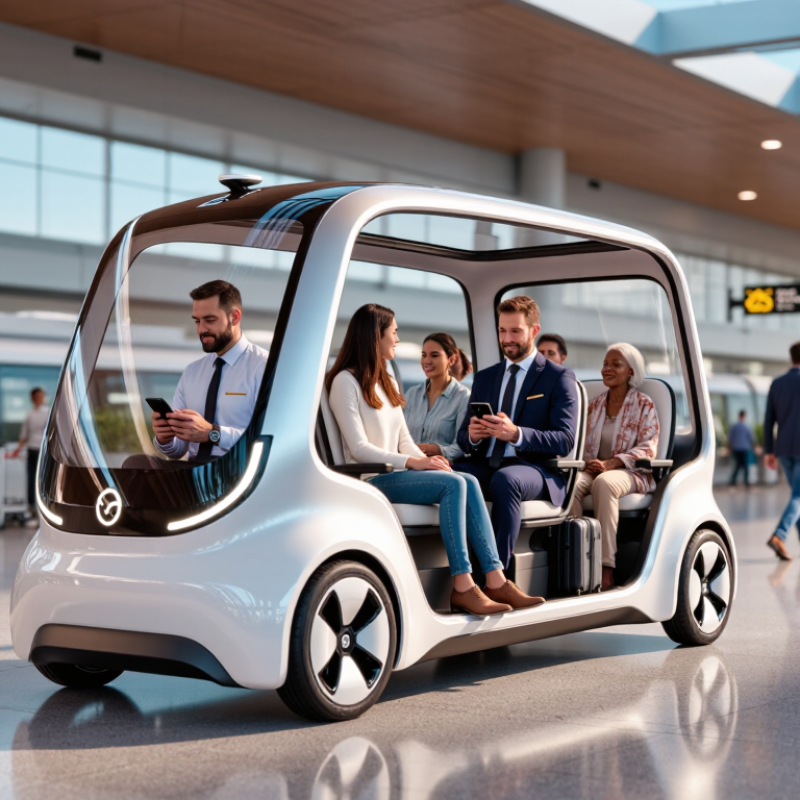
Why Choose a Passenger Cart for Global Transport?
What Is a Passenger Cart in Global Transportation?
A passenger cart is a compact vehicle designed to move people across large transport facilities. It usually carries several passengers and small personal items. Unlike a cargo trolley, it focuses on comfort, access, and controlled movement.
In global transportation, passenger carts operate in airports, seaports, railway stations, resorts, factories, and exhibition centers. They help connect parking areas, terminals, gates, and waiting zones. Their small turning radius suits crowded routes and narrow service lanes. Electric models can also reduce local noise and exhaust emissions. However, performance depends on battery capacity, charging access, weather, and ground conditions. A cart that works well indoors may struggle on steep outdoor roads.
Operators should check seating layout, safety belts, lighting, braking, and weather protection before purchase. Passenger capacity matters too. Overloading creates discomfort and may reduce control. Local transport rules, facility policies, and maintenance requirements also need review. The word “global” does not mean one specification fits every location. That assumption often causes avoidable costs.
Tips: Match the cart to route length and passenger flow. Measure door widths and turning spaces. Keep a charging plan near busy routes. Train drivers to move slowly near pedestrians. Record battery performance during hot and cold seasons. Small details matter. Even a useful cart may fail when access planning is overlooked.
| Evaluation Dimension | Typical Passenger Cart Characteristics | Why It Matters in Global Transportation | Common Applications |
|---|---|---|---|
| Basic definition | A compact vehicle designed to transport people over short distances, generally on private roads, controlled sites, terminals, or pedestrian-priority areas. | It fills the gap between walking and using a full-size bus, especially where short-distance circulation is required. | Airports, seaports, railway stations, resorts, campuses, hospitals, industrial sites, and exhibition grounds. |
| Passenger capacity | Common configurations carry approximately 4–14 seated passengers. Larger site-transport vehicles may carry more, depending on local regulations and vehicle design. | Capacity can be matched to actual demand, reducing the need to operate a large vehicle with unused seats. | Small groups, passenger transfers, employee circulation, visitor transport, and mobility assistance. |
| Typical operating speed | Often limited to approximately 15–40 km/h in controlled environments; the permitted speed depends on vehicle classification, road conditions, and local law. | Moderate speed supports safer operation around pedestrians and allows frequent stops at nearby destinations. | Terminal transfers, internal site routes, hotel or resort circulation, and first- or last-section passenger movement. |
| Travel distance per trip | Most suitable for short-distance routes, commonly within a few kilometres per trip, with repeated stops throughout the day. | Short routes reduce transfer time between buildings, gates, platforms, parking areas, and other nearby facilities. | Airport gate connections, campus loops, parking shuttles, and internal logistics routes. |
| Vehicle size and maneuverability | Typically narrower and shorter than a conventional city bus, with a relatively small turning radius. Exact dimensions vary by passenger capacity and configuration. | Compact dimensions help vehicles navigate constrained roads, loading zones, walkways, and service areas. | Dense terminals, historic sites, warehouses, campuses, and facilities with limited road space. |
| Energy options | Available power systems include battery-electric, internal-combustion, and hybrid configurations, subject to local availability and regulations. | Electric operation can reduce local tailpipe emissions and noise, while other power systems may support longer operating periods where charging is limited. | Indoor or low-emission zones, quiet hospitality environments, outdoor sites, and locations with limited charging infrastructure. |
| Charging and refueling needs | Battery-electric models require suitable charging points and planned charging windows; refueling models require access to approved fuel facilities. | A route-based energy plan improves availability and prevents service interruptions during peak passenger periods. | Facilities with overnight parking, scheduled breaks, depot charging, or established fuel access. |
| Accessibility | Accessible configurations may include low entry steps, handrails, wheelchair ramps or lifts, priority seating, and dedicated mobility-device space. | Inclusive design improves access for passengers with reduced mobility and supports compliance with applicable accessibility requirements. | Airports, hospitals, public facilities, tourism sites, and long-distance transfer points. |
| Boarding and alighting | Open or semi-open layouts can support frequent boarding, while enclosed layouts provide greater protection from weather and temperature. | The correct layout balances passenger throughput, climate conditions, safety, and comfort. | High-frequency shuttle routes, outdoor tourist areas, covered terminals, and weather-sensitive operations. |
| Operating environment | Designed primarily for private property or controlled routes; public-road use depends on registration, equipment, driver licensing, and jurisdictional rules. | Confirming legal operating conditions before deployment reduces compliance and safety risks in different countries. | Ports, campuses, resorts, airports, factories, warehouses, and restricted-access facilities. |
| Noise and local emissions | Battery-electric carts produce no tailpipe emissions during operation and generally generate less operating noise than combustion-powered vehicles. | Lower local noise and emissions are useful in enclosed, urban, healthcare, hospitality, and environmentally sensitive areas. | Indoor terminals, hospitals, resorts, pedestrian zones, and low-emission operational areas. |
| Operational flexibility | Routes, seating layouts, weather protection, luggage areas, doors, and accessibility equipment can be selected according to the site’s requirements. | Configurable vehicles can serve different passenger flows without requiring a full-size public-transit fleet. | Seasonal events, changing terminal layouts, expanding campuses, and mixed passenger requirements. |
| Total operating considerations | Costs depend on purchase price, energy consumption, charging or refueling infrastructure, maintenance, insurance, staffing, route length, and utilization. | A passenger cart is most efficient when passenger demand is frequent but route distances and vehicle loads remain moderate. | Dedicated short-route transport programs with repeatable schedules and defined operating zones. |
Note: Specifications and legal requirements vary by vehicle classification, operating country, site conditions, passenger capacity, and intended road use. Confirm local safety, accessibility, registration, and emissions requirements before deployment.

Copyright © 2011-2025 Davis Valve.
All Rights Reserved.


Same Day Shipping
ISO Certified Production