A Metal Racking System can turn unused vertical space into practical, clearly organized storage. In a busy warehouse, that may mean pallets lift off the floor, picking paths stay visible, and inventory becomes easier to locate. The right system is not simply the one with the most beams. It must suit the goods, handling equipment, available floor space, and planned load.
“Good racking starts with the load plan, not the catalogue.” This is an original illustrative quotation, attributed here to warehouse systems specialist Alex Morgan; it is not a verified statement from a published expert. The principle is still useful: measure pallet dimensions, check the weight of stored goods, and consider how forklifts approach each bay. Small details matter. A narrow aisle or an overloaded beam can change how safely and smoothly a storage area works.
Metal racks are valued for strength, modular layouts, and adaptability as operations change. But metal does not make a poor design reliable. Installation quality, regular inspections, and clear load information matter too. A system that looks tidy on day one may need adjustment when product sizes or stock volumes shift. That deserves honest attention. This guide explores the practical reasons to choose a Metal Racking System, the trade-offs to consider, and the questions worth asking before purchase. It aims to help readers compare options with care, not promise that one configuration fits every warehouse.
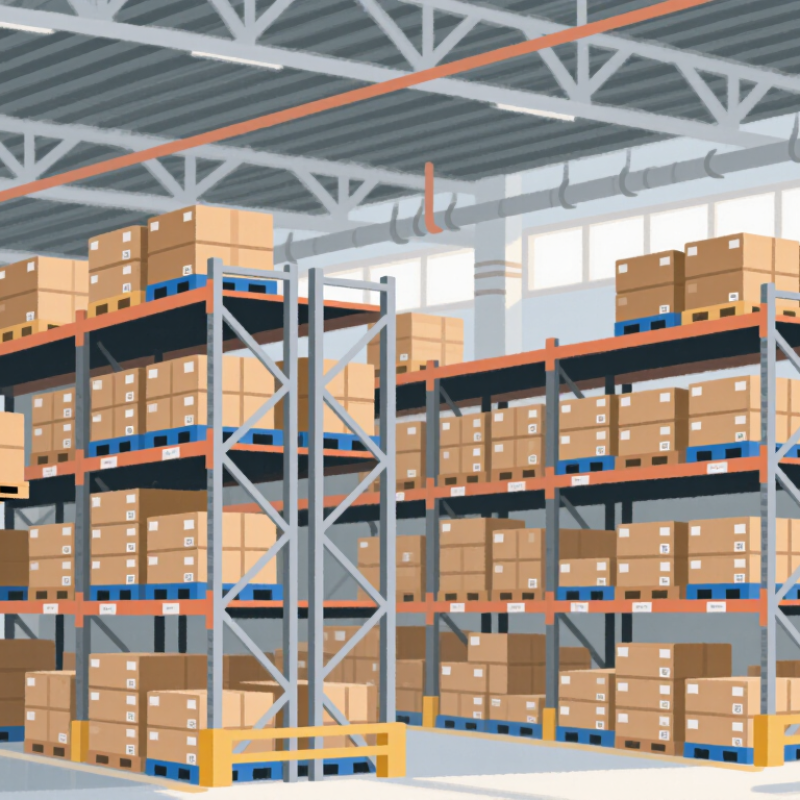
A metal racking system is a freestanding storage structure, usually made from steel uprights, horizontal beams, and diagonal braces. Together, these parts create adjustable levels for pallets, cartons, or containers. In a warehouse, the frame may look simple; its capacity depends on beam spans, connection details, floor conditions, and how loads are placed. That is why rack selection should begin with the actual goods and handling equipment, not appearance alone.
The U.S. Bureau of Labor Statistics reported a 4.8 cases-per-100-full-time-worker injury and illness rate for transportation and warehousing in 2022, compared with 2.7 across private industry. The figures do not show that racking itself causes injuries, but they underline the need for clear aisles, sound installation, and visible load ratings. Industrial steel storage racks are designed and evaluated using engineering criteria such as those in ANSI MH16.1, published by the Rack Manufacturers Institute. Details matter. A bent upright or overloaded beam can change how a bay performs, so inspections and prompt repairs belong in the system’s daily use. It is easy to underestimate that upkeep.
| Topic | What It Means | Practical Consideration |
|---|---|---|
| Definition | A metal racking system is a storage structure made primarily from metal components, commonly steel. Depending on its design, it may include upright frames, beams, shelves, bracing, and connectors. | Choose a system designed for the items, access method, and storage environment. |
| Common Types | Common formats include adjustable pallet racking, long-span shelving, cantilever racking, and mobile shelving. Each layout is suited to different load shapes and storage workflows. | Pallet racking is intended for palletized goods; cantilever designs can accommodate long items such as pipes or boards. |
| Why Choose Metal? | Metal structures can provide durable, rigid support when correctly specified, assembled, and maintained. Many systems also offer adjustable beam or shelf positions. | Durability and usable capacity depend on the design, materials, connections, installation, and operating conditions. |
| Space and Organization | Racking uses vertical space and can help organize inventory into defined storage locations. Some configurations can be extended or rearranged as storage needs change. | Allow for aisle access, handling equipment, fire protection, and applicable building requirements when planning a layout. |
| Load Capacity | There is no single safe load capacity for all metal racking. Capacity varies with the system design, component dimensions, beam span, connection details, and load distribution. | Use the capacity information supplied for the specific installation. Do not rely on a generic rating or exceed posted limits. |
| Finishes and Environment | Metal racking may use painted, powder-coated, or galvanized finishes. The appropriate finish depends on exposure to moisture, chemicals, abrasion, and other conditions. | Confirm environmental suitability before installation, especially in damp, corrosive, or temperature-controlled areas. |
| Safety and Maintenance | Safe use depends on correct assembly, stable loading, suitable floor conditions, and routine checks for damage or loosened components. | Follow the system instructions and applicable safety rules. Have damaged or altered components assessed before continued use. |
| Best Fit | Metal racking can suit warehouses, workshops, retail backrooms, and other spaces that need organized storage for compatible goods. | Compare the load type, item dimensions, access frequency, available floor area, and installation requirements before choosing a configuration. |

A metal racking system begins with the goods it must hold, not with the steel itself. Designers record each load’s weight, dimensions, and storage pattern. They also consider how forklifts approach the bays and how often stock moves. These details shape the rack’s height, beam spacing, and aisle layout.
Uprights, beams, and diagonal braces work together to manage weight and resist movement. Steel thickness and connection design depend on the planned loads and site conditions. The floor matters, too. Uneven concrete or poorly placed anchors can affect stability, even when the rack components are well made. Small details matter.
During manufacturing, steel sections are cut and formed to specified dimensions. Welds and bolted connections are checked, while finishes help limit corrosion in the intended environment. Coating choice should reflect moisture, cleaning routines, and possible surface damage. A finish can wear faster than expected.
Installation brings the design into a real warehouse. Crews check alignment, secure anchors, and confirm that beams sit correctly in their connectors. Load labels should match the approved layout, and damaged parts need attention before use. One limitation is that plans cannot predict every daily handling habit. That is worth revisiting during inspections.
Metal racking offers strength, stability, and dependable storage for everyday warehouse use. Steel uprights and beams can support substantial loads when the system is correctly specified and assembled. That detail matters. Capacity depends on the rack’s design, beam spans, anchoring, and how weight is distributed—not simply on the material.
Durability is another practical benefit. In a busy stockroom, cartons slide, carts brush uprights, and shelf levels change. A coated metal surface is generally easy to wipe clean and can handle routine wear, though scratches still need attention. Properly maintained racks can adapt as inventory changes. Not forever, of course. Regular inspections help spot loose connections, corrosion, or bent members before they become bigger concerns.
Metal systems can also make better use of available space. Adjustable beams provide room for tall bins one month and smaller cartons the next. Frequently handled items can stay within reach, while clear aisles support smoother movement. Planning still matters. Uneven floors, weak anchoring, or overloaded shelves can undermine a rack that looks solid. Match capacity to actual loads and follow the installation guidance.
Where Metal Racking Systems Are Used
Metal racking systems appear wherever goods need clear, dependable storage: distribution warehouses, retail stockrooms, factories, and food-storage facilities. In warehouses, adjustable beams hold palletized goods while forklifts move through marked aisles. Retail teams use smaller racks for backroom cartons, seasonal stock, and replenishment supplies. On production floors, racks can separate components by size or work stage. Useful, but only when the layout matches the actual workflow.
Online order growth is one reason storage planning matters. The U.S. Census Bureau’s 2024 Quarterly Retail E-Commerce Sales report estimated U.S. online sales at $1.193 trillion, or 16.1% of total retail sales. That volume puts pressure on fulfillment spaces to organize fast-moving inventory and reduce unnecessary handling. Metal racks can help create accessible pick faces, but poor aisle spacing can slow workers down. More storage is not always better.
Metal shelving also suits workshops, archives, and temperature-controlled rooms, provided the finish and design fit the environment. Moisture can corrode unsuitable surfaces, while uneven floors or overloaded shelves can create hazards. Check load ratings, anchor racks where required, and inspect beams after impacts. Small details matter. A rack that fits the room may still obstruct access or hide slow-moving stock. That part deserves a second look.
Metal racking is used in warehouses, workshops, retail stockrooms, and archives because it can be configured for different loads and storage needs. The chart shows illustrative load-capacity ranges for common racking types; actual capacities depend on the system design and must be confirmed from the manufacturer’s rating.
How to read this chart: Light-duty shelving suits smaller items, while medium-duty and longspan systems are commonly used for heavier or bulkier goods. Pallet racking supports palletized loads. Always follow the rated capacity for the specific rack configuration.
Start with the load, not the price. Check the weight of each item and the total load per shelf or bay. Loads should be distributed as the system’s specifications require; a heavy box placed at one edge can create a different stress than evenly stacked cartons. Confirm the rated capacity with the supplier, and leave room for changes in inventory. Small details matter.
Measure the space carefully. Record ceiling height, aisle width, door clearance, and the dimensions of pallets or containers. Then consider how goods will be handled: by hand, trolley, or forklift. A rack that fits on paper may still obstruct turning space. Check the floor condition and whether anchoring is needed. For damp or corrosive environments, ask about protective finishes and maintenance.
Adjustability can help as stock changes, but movable shelves are only useful when staff can reposition them safely. Look for clear load labels, compatible components, and installation instructions. Ask how damaged beams should be identified and replaced.
Not glamorous. Yet it matters.
One easy mistake is choosing maximum storage density while leaving too little room for safe access. Revisit the layout with the people who use it every day; their feedback may expose a flaw in the plan.
Same Day Shipping
ISO Certified Production