A Uhp Graphite Electrode 500mm is a large-diameter conductive component used mainly in ultra-high-power electric arc furnaces. In steelmaking, it carries electrical current from the furnace system to the arc. That arc produces intense heat, melting scrap steel and supporting refining operations. The electrode is not simply a replaceable rod. Its diameter, grade, length, and threaded nipple connection must match the furnace design and operating conditions.
A 500mm electrode can handle substantial current, but its performance depends on more than size. Operators consider furnace capacity, power input, electrode quality, joint alignment, and cooling conditions. During a melt, the exposed tip faces extreme heat, while the column experiences mechanical stress and gradual oxidation. A poorly fitted joint may loosen or break. Small details matter. Buyers and furnace teams should check manufacturer specifications rather than assume every 500mm product has the same rating. That distinction is easy to overlook.
This guide explains where the Uhp Graphite Electrode 500mm is used, how it works inside an arc furnace, and which factors influence selection. It also looks at practical concerns, such as electrode consumption, handling, and connection quality. Actual results vary between furnaces, and published figures may not reflect every operating setup. Even experienced teams can find that real-world performance differs from a catalogue estimate. Understanding those limits helps readers assess whether this electrode size suits a particular steelmaking process.
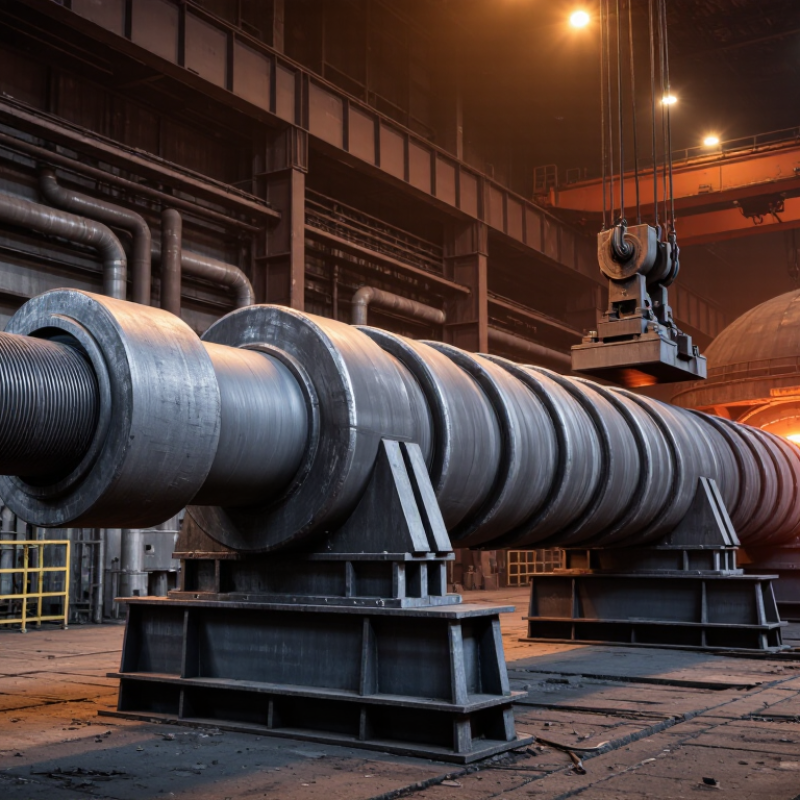
A 500 mm UHP graphite electrode is a cylindrical conductor used mainly in high-power electric arc furnaces. The 500 mm measurement refers to its nominal diameter, not its length. UHP means ultra-high power, a classification associated with demanding electrical and thermal operating conditions. In a furnace, the electrode carries current and helps create the arc that melts steel scrap. The electrode is gradually consumed.
This size is selected for furnace design and operating needs, not simply because larger is better. Electrode columns are assembled from sections joined by nipples, so fit, connection quality, and handling matter. Not a minor detail.
The World Steel Association’s World Steel in Figures 2024 reports 1.892 billion tonnes of crude steel production in 2023; about 29% came from electric arc furnaces.
That industry context helps explain the role of graphite electrodes, but it does not mean every EAF uses a 500 mm size.
A 500 mm electrode may suit large furnaces requiring high current, but actual performance depends on furnace conditions and product specifications. Diameter alone tells only part of the story.
It is easy to overlook the effects of current density, cooling, and joint condition when comparing electrodes. Consumption rates also vary, so a single “typical” figure can be misleading without operating data.

A 500 mm UHP graphite electrode is used to carry high electrical current into an electric arc furnace, where the arc melts steel scrap. Its diameter supports heavy-duty operation, but diameter alone does not determine furnace performance. The electrode’s grade, connection system, and operating conditions matter too. Fit matters.
The electrode is made from carbon materials that are formed, baked, and graphitized. Its structure must balance electrical conductivity with mechanical strength and resistance to thermal shock. During furnace use, the tip faces intense heat while the body experiences current and vibration. Uneven heating or a poorly aligned joint can increase breakage risk, even when the electrode meets its stated dimensions.
Specifications such as resistivity, bulk density, flexural strength, and coefficient of thermal expansion help operators compare grades. The nipple and socket also deserve attention: clean threads and correct tightening help maintain electrical contact as electrode sections are joined. Small cracks matter. Actual current limits and consumption rates vary by product and furnace practice, so published values should be checked against the supplier’s technical data. In practice, readings and wear patterns from the furnace often reveal details that a specification sheet cannot. That is worth remembering.
A 500mm ultra-high-power graphite electrode carries electrical current into an electric arc furnace. Its diameter helps it handle the heavy current used in large-scale steelmaking, though actual capacity depends on furnace design and operating conditions. The electrode does not heat the charge like a stove element. Instead, current jumps from its tip to the metal or scrap, forming an intense electric arc. The arc’s heat melts the charge, while the furnace operator adjusts power and electrode position to control the process. It is a demanding job.
Graphite is chosen because it conducts electricity and tolerates extreme temperatures. Still, the electrode gradually wears away through oxidation, heat exposure, and contact with furnace gases. Sections are joined with threaded connectors, so alignment and careful handling matter. A small connection problem can disrupt current flow or increase breakage risk. One detail is easy to overlook: electrode consumption varies with scrap conditions, furnace practice, and cooling, so diameter alone cannot predict performance.
Tips: Keep electrodes dry and protect their ends during storage and handling. Check joints for clean, secure connections before use. If consumption rises unexpectedly, review operating data rather than assuming the electrode is the only cause.
A 500 mm ultra-high-power graphite electrode is mainly used in electric arc furnace steelmaking. Its diameter helps carry high electrical current into the furnace, where arcs generate intense heat to melt scrap or other metallic charge. The electrode does not melt the steel directly; the arc does the heating. In practice, operators monitor electrode position, current, and furnace conditions throughout the melt.
It also appears in some ladle furnace operations, where electrodes heat molten steel during refining and temperature adjustment. A ladle furnace can help dissolve alloy additions and support inclusion control before casting. Not every ladle furnace uses a 500 mm electrode, though. The choice depends on transformer capacity, electrical design, electrode-column setup, and the required heating rate.
Size matters, but it is not the whole story. A 500 mm electrode must suit the furnace’s current range and connection hardware, or operation may become less stable. Furnace recipes and scrap mixes also vary, so the same diameter can perform differently across plants. That part is easy to underestimate. Operators still need to balance power input, electrode consumption, and melt timing rather than treating diameter as a guarantee of output.
A 500 mm UHP graphite electrode is commonly used in an electric arc furnace, where it carries current to create an intense arc for melting scrap or other metallic feed. Its diameter alone does not determine suitability. Furnace design, transformer capacity, electrode spacing, and the intended operating current all matter. A mismatch can contribute to unstable arcs, excess wear, or interruptions during melting.
Selection should reflect actual furnace conditions, not just a catalogue rating. Operators typically consider current density, electrode consumption, joint strength, and the quality of the threaded nipple connection. Thermal cycling and side loads also affect service life. Small details matter. A damaged thread or poorly aligned column can create problems that appear to be electrical at first. The right choice may still vary between furnaces with similar capacity.
Operation starts before the electrode reaches the furnace. Keep sections dry and protect their ends and threads from impact or contamination. During assembly, clean the connection surfaces and tighten joints using the specified procedure. Check alignment and clamp position, then adjust current and arc length in response to furnace behavior. Watch for abnormal vibration, repeated breaks, or unexpectedly rapid consumption. Not always. Process data can point toward an operating issue, but measurements and inspection should confirm the cause before settings are changed.
A 500 mm ultra-high-power (UHP) graphite electrode is commonly used to conduct current in electric arc furnace (EAF) steelmaking. Its suitability depends on furnace power and current, process requirements, electrode-column compatibility, and operating practice.
The chart shows the geometric cross-sectional area calculated from nominal diameter; a 500 mm electrode has an area of about 1,963 cm². This is a dimensional comparison, not a current-capacity rating. Electrode selection and operation should follow the furnace manufacturer’s specifications and account for current, connections, cooling, and power-on practice.
Same Day Shipping
ISO Certified Production