Choosing among the Top 10 Zinc Die Cast Parts Suppliers for Global Buyers takes more than comparing unit prices. A bright sample on a desk can hide weak dimensional control, slow communication, or inconsistent production. Ask how each supplier manages alloy selection, die design, cycle time, and inspection. Request drawings, tolerance records, material details, and evidence of repeatable runs. Small details matter. A rough gate mark or a porous section can affect finishing, assembly, and service life.
Zinc-industry specialist Frank C. Goodwin offers a useful technical perspective. The following line is an editorial paraphrase, not a verified verbatim quotation: “Reliable castings begin with the right alloy, sound tooling, and disciplined process control.” Buyers should also compare finishing options, sampling procedures, production capacity, and shipment planning. A low quotation may leave out tooling changes or secondary operations. Check what the price actually includes. Then assess how clearly the supplier explains risks and corrective actions. This guide introduces ten suppliers and the questions worth asking before a sourcing decision. No supplier is perfect. Even strong factories can face capacity limits, design constraints, or communication gaps. A careful comparison helps buyers find a partner suited to their part, volume, and quality expectations—not merely the lowest offer.
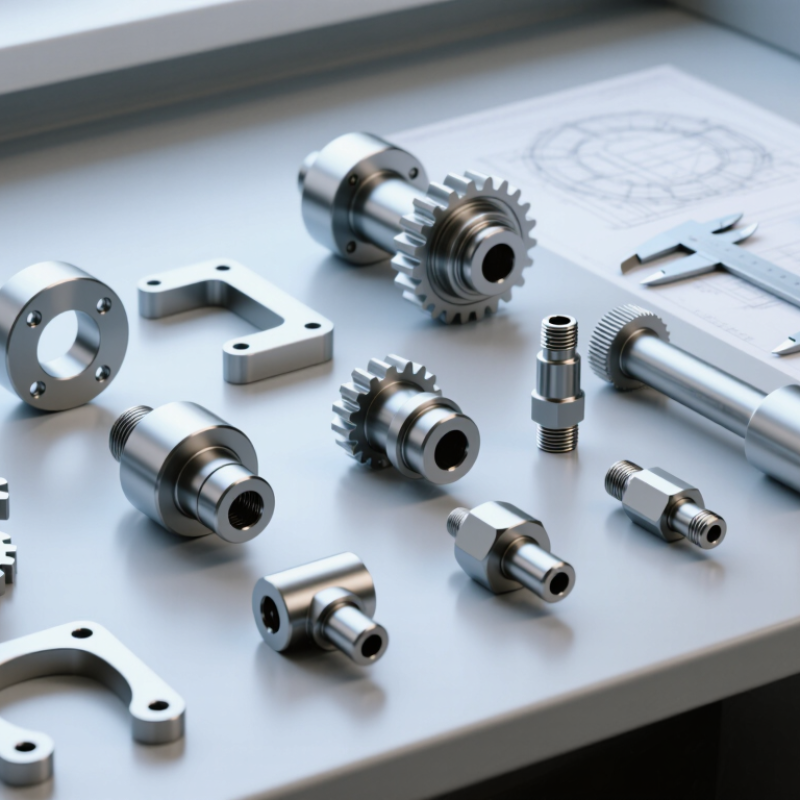
Zinc die casting combines a relatively low melting temperature with good fluidity, allowing molten metal to fill fine cavities and form thin walls. Common zinc alloys contain small amounts of aluminum and copper, adjusted for strength, hardness, and dimensional stability. The exact composition matters. A small change can affect how a part fills or wears.
Most zinc parts are made using hot-chamber die casting. A machine injects molten alloy into a hardened steel die under pressure, producing repeatable shapes with smooth surfaces. After ejection, operators trim gates and inspect critical dimensions. Tight tolerances are possible, but they should be confirmed against part geometry and production conditions. Tooling can also leave marks. That is not always a defect, though it may need attention on visible surfaces.
These parts often appear in door hardware, electrical connectors, appliance components, and small mechanical housings. Zinc suits intricate features such as ribs, bosses, and threaded details, reducing the need for separate machining. Designers should still check wall thickness, draft angles, and expected loads before approving a die. A thin section may cool unevenly. Testing real samples is useful, and sometimes the first design needs revision.
How to read this table: These are ten common supplier capability profiles, not named companies or a verified ranking. Capabilities vary by facility; confirm specifications, certifications, and production capacity directly with each prospective supplier.
| No. | Supplier Profile | Typical Materials & Process | Common Applications | Useful Buyer Checks |
|---|---|---|---|---|
| 1 | High-volume automotive component supplier | Zinc alloy pressure die casting, commonly using hot-chamber equipment for suitable zinc alloys; secondary machining may be available. | Interior mechanisms, housings, brackets, and small functional components. | Automotive quality-system certification, process traceability, dimensional capability data, and approval requirements for the intended vehicle program. |
| 2 | Electronics and electrical enclosure supplier | Zinc alloy die casting with options such as machining, conductive finishing, and surface coating, depending on the part design. | Connector bodies, shielding components, compact housings, and heat-dissipating parts. | Wall-thickness limits, shielding or conductivity requirements, finish compatibility, and inspection of critical interfaces. |
| 3 | Precision small-parts specialist | Hot-chamber zinc die casting is commonly used for small, repeatable parts; tooling and process design determine achievable detail and tolerances. | Fasteners, miniature levers, latches, and precision mechanical components. | Parting-line location, flash control, stated tolerance capability, sampling plan, and measurement methods. |
| 4 | Decorative hardware supplier | Zinc die casting followed, where required, by polishing, plating, painting, or other specified finishing operations. | Furniture fittings, architectural hardware, handles, knobs, and trim pieces. | Finish samples, coating specification, corrosion-test requirements, appearance standards, and protection during packing. |
| 5 | Tooling and production engineering supplier | Provides or coordinates die design, mold construction, casting trials, and production tooling for zinc alloy parts. | Custom components requiring dedicated dies, controlled geometry, or repeat production. | Tool ownership, maintenance responsibility, expected tool life assumptions, trial schedule, and change-control process. |
| 6 | Integrated casting and machining supplier | Combines die casting with CNC machining, tapping, drilling, or other secondary operations as specified. | Parts with accurately located holes, threads, flat faces, or assembly interfaces. | Datum strategy, machining allowances, fixture plan, burr removal, and inspection of cast-to-machined features. |
| 7 | Surface-finishing-focused supplier | Coordinates zinc casting with finishing processes such as plating, powder coating, or painting; suitability depends on alloy, geometry, and specification. | Visible consumer-product parts, decorative fittings, and components requiring specified surface protection. | Pre-treatment method, coating thickness or appearance criteria, adhesion testing, corrosion testing, and finish-subcontractor controls. |
| 8 | Industrial equipment component supplier | Zinc alloy die casting for shaped components, with optional machining and finishing based on service conditions. | Instrument housings, adjustment mechanisms, brackets, and small equipment components. | Load and environment requirements, alloy designation, dimensional inspection, and validation against the approved drawing. |
| 9 | Prototype and low-volume project supplier | May offer prototype tooling or production tooling for evaluation and smaller initial quantities; the available route depends on geometry and budget. | Design validation parts, pilot builds, and early-stage custom products. | Whether parts are made with production-intent tooling, sample quantity and lead time, material documentation, and the plan for scaling production. |
| 10 | Export-oriented contract manufacturer | May coordinate casting, secondary processing, finishing, inspection, and export packing through one production program. | Global OEM components across hardware, electronics, automotive, and general industrial markets. | Export documentation, packaging standard, production-site details, quality records, delivery terms, and responsibility for outsourced processes. |

Copyright © 2011-2025 Davis Valve.
All Rights Reserved.


Same Day Shipping
ISO Certified Production