What Are the Top Types of Permanent Hair Removal?
Permanent Hair Removal can mean different things in clinic brochures, so the label deserves a closer look. Electrolysis is widely recognized as a method that can permanently remove treated hairs, while laser treatments are generally described as producing long-term hair reduction. Results vary with hair color, skin tone, hormones, treatment area, and the device used. No method guarantees that every follicle will respond in the same way.
This guide compares the main options, including electrolysis, laser hair removal, and intense pulsed light (IPL), which is often marketed alongside them. It explains how each approach works, what a typical treatment may feel like, and why several sessions are usually needed. Small details matter: a patch test, protective eyewear, and a discussion of medical history can shape safety and expectations. Ask who performs the treatment and what training they have. That question is worth asking.
Cost, maintenance, discomfort, and suitability also differ. Coarse, dark hair may respond well to certain laser systems, while electrolysis can target individual hairs across a broader range of hair colors. Yet treatment plans are personal, and online descriptions can make results sound tidier than they are. Use this overview to prepare informed questions for a qualified clinician, not to diagnose your skin or select a device alone. We will distinguish established differences from claims that deserve careful scrutiny.
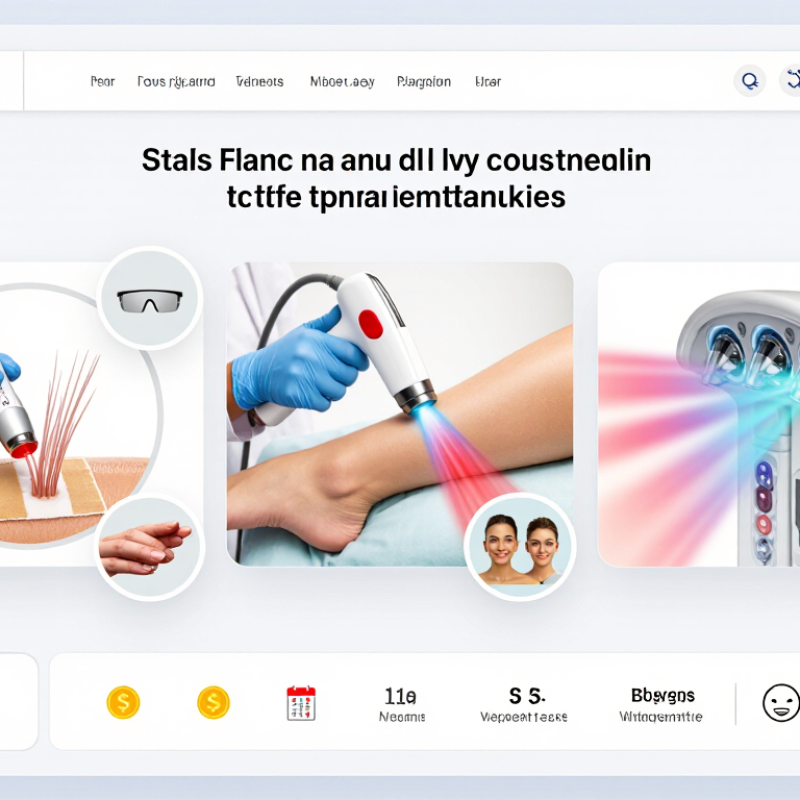
How Permanent Hair Removal Methods Work
Laser hair removal uses concentrated light to target melanin, the pigment inside a hair shaft. The absorbed energy becomes heat and damages the follicle’s growth structures. It works best when a hair is actively growing, so one visit cannot treat every follicle. The American Academy of Dermatology estimates that most patients need two to six sessions. Timing matters. Hair color and skin tone also affect which device and settings are appropriate; a clinician should assess both to reduce burn or pigment-change risks.
Electrolysis works differently. A trained practitioner inserts a fine probe into each follicle and delivers electrical current to disable its growth cells. It does not rely on hair pigment, so it can treat light-colored hairs that lasers may miss. The trade-off is time: each follicle is treated individually. A 2006 review in the Journal of the American Academy of Dermatology found that laser outcomes varied across devices and studies, supporting cautious expectations rather than one guaranteed result. Permanent reduction is not always complete removal.
Both approaches depend on careful technique and realistic follow-up. A patch test can reveal irritation or pigment changes before a larger area is treated. That detail is easy to overlook. Results may also differ across body areas because hair cycles are not identical. Even with sound evidence, individual response remains somewhat unpredictable.
Electrolysis: Permanent Removal Hair by Hair
Electrolysis works one follicle at a time. A trained practitioner inserts a fine probe into the natural opening of each follicle, then applies electrical current to damage its growth cells. The treated hair is removed with tweezers; healthy skin should not be pulled or scraped. The U.S. Food and Drug Administration describes electrolysis as a permanent hair-removal method, unlike laser treatments, which are generally described as long-term hair reduction. Hair grows in cycles, so several visits are usually needed to treat follicles at different stages. It takes patience.
The American Society of Plastic Surgeons’ 2023 procedural statistics recorded about 1.08 million laser hair-removal procedures in the United States. That number shows demand for light-based treatment, not proof that it permanently removes every hair.
Electrolysis can suit small areas, light-colored hair, or follicles that remain after laser treatment. Appointment length depends on the area and hair density; a few scattered chin hairs take less time than a dense patch. Ask about practitioner training, single-use probes, and aftercare. Temporary redness or tenderness can occur. The awkward part: progress may look uneven between visits, and “permanent” does not promise perfectly bare skin forever. Human hair is stubborn, sometimes.
Laser Hair Removal: Treating Larger Areas
Laser hair removal is often chosen for broad areas such as the back, legs, and chest. A session can feel like a series of warm pinpricks; cooling may ease the sensation. The International Society of Aesthetic Plastic Surgery’s 2023 global survey reported about 1.1 million laser hair removal procedures worldwide. That figure shows its popularity, not a guarantee of results.
Large areas need careful planning. Hair grows in cycles, so one appointment cannot treat every follicle at its most responsive stage. The American Academy of Dermatology advises that many patients need two to six sessions, with timing based on the treated area and individual hair growth. Results vary. Dark, coarse hair often responds better, while light-colored hair may respond poorly. A qualified clinician should assess skin tone, hair type, medications, and recent tanning before selecting settings.
“Permanent” can be misleading. The FDA describes the intended outcome as permanent hair reduction, meaning lasting reduction in regrowth rather than removal of every hair. Some regrowth may occur, and maintenance sessions can be needed. On a large area, missed patches are possible; even careful treatment is not perfectly uniform. Ask how the provider protects surrounding skin and tracks progress between visits.
Intense Pulsed Light: A Light-Based Alternative
Intense pulsed light (IPL) uses filtered flashes of broad-spectrum light, not a single laser beam. The light is absorbed by pigment in growing hairs and converted to heat, which can damage the follicle. Hair grows in cycles, so one visit cannot treat every follicle at the right stage. It takes patience. A 2006 evidence-based review in the Journal of the European Academy of Dermatology and Venereology reported hair reductions of roughly 20–75% at six months across evaluated laser and light-based studies. Outcomes varied widely by device, treatment schedule, and study design; that range is not a promise for every IPL user.
IPL tends to work best when the hair contains more pigment than the surrounding skin. Pale, white, or grey hairs may respond poorly, while darker skin needs careful assessment because its pigment can also absorb light. A trained clinician should review skin tone, medications, recent tanning, and treatment settings before a session. Protective eyewear matters. Common short-term effects include redness and mild swelling, like a small sunburn; burns and pigment changes are possible if settings are unsuitable. Results also need realistic wording: treatment can reduce regrowth for a long time, but “permanent” does not always mean every hair is gone forever. A patch test and clear follow-up plan help, though neither removes all risk.
Comparing Methods by Skin Tone, Hair Color, and Treatment Goals
Permanent hair removal is not one-size-fits-all. Skin tone, hair color, treatment area, and patience all affect the choice. Laser hair reduction usually works best on coarse, dark hair because its energy targets pigment. Pale blonde, red, gray, or white hairs may respond poorly. That matters.
Skin tone influences laser safety. Some devices can treat darker skin more safely than others, but settings and operator experience are crucial. A qualified clinician should assess your skin and hair before treatment, especially if you tan easily or have a history of pigmentation changes. Burns and temporary or lasting color changes are possible. Results also vary by body area and hormone levels.
Electrolysis uses a fine probe to treat individual follicles and can work on every hair color and skin tone. It may suit small areas or light hairs that lasers cannot target, but it often takes many appointments. For larger areas, laser can reduce hair more quickly, though maintenance may be needed and “permanent” does not mean every hair is gone forever. Treatment goals matter. Some people want slower regrowth; others want to address a few stubborn hairs. A consultation can clarify realistic timing and risks, though estimates are not guarantees.