Top 10 Titanium Round Bar Manufacturers You Should Know?
The Titanium Round Bar market plays a crucial role in various industries, from aerospace to medical devices. According to Global Titanium Market Reports, the demand for titanium products is projected to reach $6 billion by 2025. This growth highlights the importance of reliable Titanium Round Bar Manufacturers in the supply chain.
Selecting the right manufacturer can greatly influence product quality and service. As the titanium industry evolves, manufacturers face challenges including cost fluctuations and production efficiency. Understanding these dynamics helps in making informed choices.
Many companies are stepping up to meet this rising demand. Yet, not all manufacturers uphold the same standards. It's essential to research and evaluate producers based on experience, expertise, and credibility. This guide aims to shed light on the top titanium round bar manufacturers, assisting businesses in navigating this competitive landscape effectively.
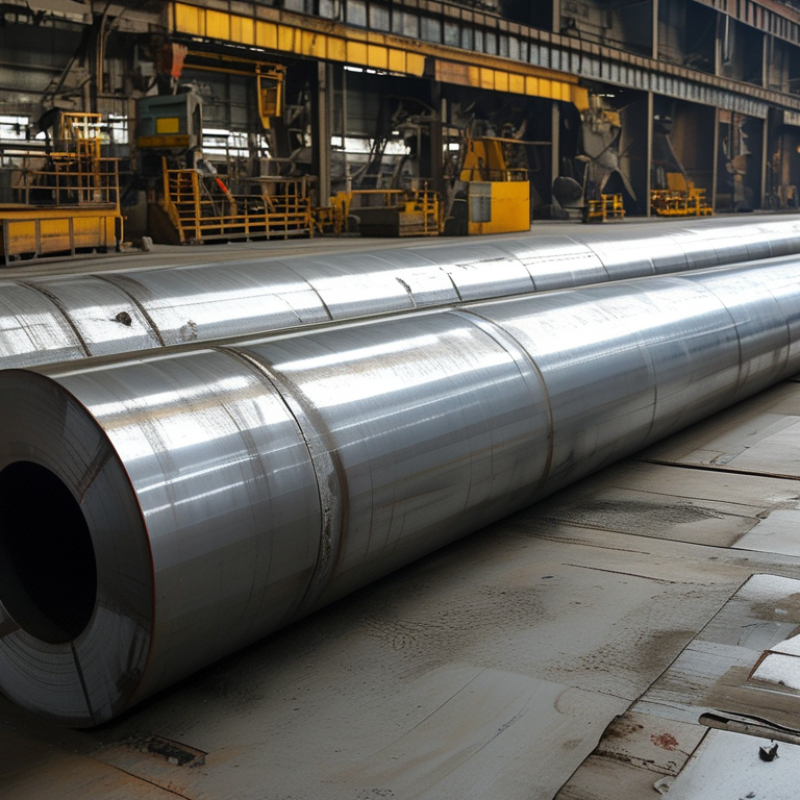
Overview of Titanium Round Bar Applications in Industries
Titanium round bars are crucial in various industries due to their unique properties. These bars are lightweight yet strong, offering excellent corrosion resistance. Aerospace and automotive sectors often utilize titanium round bars for components like fasteners and shafts. According to reports from industry experts, the demand for titanium in aviation will grow by over 15% annually. This indicates an increasing reliance on titanium round bars for critical applications.
In the medical field, titanium round bars are highly sought after. They are used for implants and surgical instruments, as titanium is biocompatible. Research suggests that more than 30% of orthopedic implants are made from titanium. This reflects the material's reliability and strength, ensuring patient safety in medical procedures. However, challenges still exist. Some manufacturers struggle with the consistency of material quality, impacting production efficiency.
The oil and gas industry also benefits from titanium's properties. Here, round bars are employed in the construction of valves and pipes. High resistance to stress corrosion cracking makes titanium an ideal material. Still, there is a need for improvement in processing methods to enhance material performance. Reflecting on the industry's practices can lead to innovations that will meet increasing demands effectively.
Criteria for Selecting Top Titanium Round Bar Manufacturers
When selecting top titanium round bar manufacturers, several key criteria should be considered. Experience in the industry is crucial. Look for manufacturers with a long-standing presence and a strong reputation for quality. Their history often reflects reliability in performance and delivery. Expansive product lines and certifications can indicate commitment to standards.
Quality control practices are another critical factor. A manufacturer should have robust testing procedures to ensure that their titanium bars meet required specifications. This might include mechanical property tests, chemical composition analysis, and dimensional inspections. Transparency in these processes builds trust with potential clients.
Additionally, consider the responsiveness of the manufacturer. An effective communication strategy can indicate their customer service level. Quick replies to inquiries show dedication to client needs. However, be cautious; some companies may promise fast turnarounds without the ability to deliver. Assessing client reviews and seeking feedback can provide insight into their reliability. By carefully weighing these factors, you can make an informed decision.
Detailed Profiles of Leading Titanium Round Bar Manufacturers
When exploring the world of titanium round bar manufacturing, several key players stand out due to their expertise and innovation. These manufacturers excel in producing high-quality titanium bars for various industries, including aerospace and biomedical. Their processes are meticulously designed to ensure precision and durability in every piece of titanium they deliver.
One notable aspect is the material selection and processing techniques they employ. The best manufacturers utilize advanced technology for melting and forging. This results in titanium bars that can withstand extreme environments. However, there are variations in quality control measures. A few manufacturers may still face challenges in consistency, making it important for buyers to research extensively.
Another important factor is customer support. Leading manufacturers provide extensive technical assistance and resources. Yet, it’s essential to assess their responsiveness and effectiveness. Some companies may lack prompt communication, which can be frustrating. As the demand for titanium continues to grow, manufacturers must adapt and innovate to maintain trust and reliability in the market.
Top 10 Titanium Round Bar Manufacturers - Production Capacity
Comparative Analysis of Pricing and Quality Standards
When evaluating titanium round bar manufacturers, pricing and quality standards are crucial factors. Manufacturers implement various processes to ensure their products meet industry standards. However, not all manufacturers are equal in quality and cost. Some may offer lower prices but compromise on durability or performance. It's essential to weigh the cost against the expected quality.
Conducting thorough research is vital. Look for manufacturers with a proven track record. Reviews and testimonials provide insights into their reliability. Quality certifications can indicate adherence to international standards. Manufacturers should be transparent about their sourcing and production processes. This transparency builds trust and informs purchasing decisions.
Consider asking questions. What are the specific alloy compositions? How do they test for strength and reliability? Engaging with suppliers about their techniques can reveal their commitment to quality. Reflect on any discrepancies you find in their claims. This can lead to better choices in a competitive market.
Future Trends in Titanium Round Bar Manufacturing Industry
The titanium round bar manufacturing industry is evolving. This growth is driven by increasing demand in aerospace, medical, and automotive sectors. Manufacturers are focusing on advanced production techniques to enhance material properties. As competition rises, companies are investing in research and development. New alloys and innovative processes are becoming standard.
Sustainability is another key trend in this industry. Manufacturers are exploring eco-friendly methods to reduce waste. Recycling titanium scrap is gaining traction. This shift not only conserves resources but also lowers production costs. However, challenges remain. Many companies struggle with limited recycling capabilities and infrastructure. The need for skilled workers in this area is also pressing.
The future may see an integration of automation and smart technologies. This evolution can streamline production processes. Enhanced precision in cutting and shaping titanium can improve end-product quality. Yet, some manufacturers may resist these changes. Concerns about initial costs and training are valid. Embracing this transition will be crucial for staying competitive in a fast-paced market.
Top 10 Titanium Round Bar Manufacturers You Should Know
| Manufacturer Location | Annual Production (tons) | Main Application | Quality Certification |
| USA | 5000 | Aerospace | ISO 9001 |
| Germany | 6000 | Medical | AS9100 |
| Japan | 4500 | Automotive | JIS |
| China | 7000 | Industrial | ISO 13485 |
| UK | 4000 | Defense | NADCAP |