Top Industrial Valve Actuator Manufacturers for Global Buyers?
When it comes to industrial applications, the choice of an appropriate Industrial Valve Actuator Manufacturer is crucial. These manufacturers play a pivotal role in the efficient functioning of processes across various sectors. Selecting the right one can significantly impact operations, and buyers must understand their options carefully.
Many manufacturers claim to offer top-notch actuator solutions. However, not all live up to their promises. Buyers need to consider factors beyond attractive marketing. Reliability, performance, and customer service are essential aspects that need assessment. The best manufacturers provide comprehensive support and demonstrate extensive industry knowledge.
This market has evolved rapidly due to technological advances. Newer actuators promise greater efficiency and durability. Yet, buyers must remain discerning as not every innovation meets industry standards. Understanding these dynamics arms global buyers with the insights needed for informed decisions.
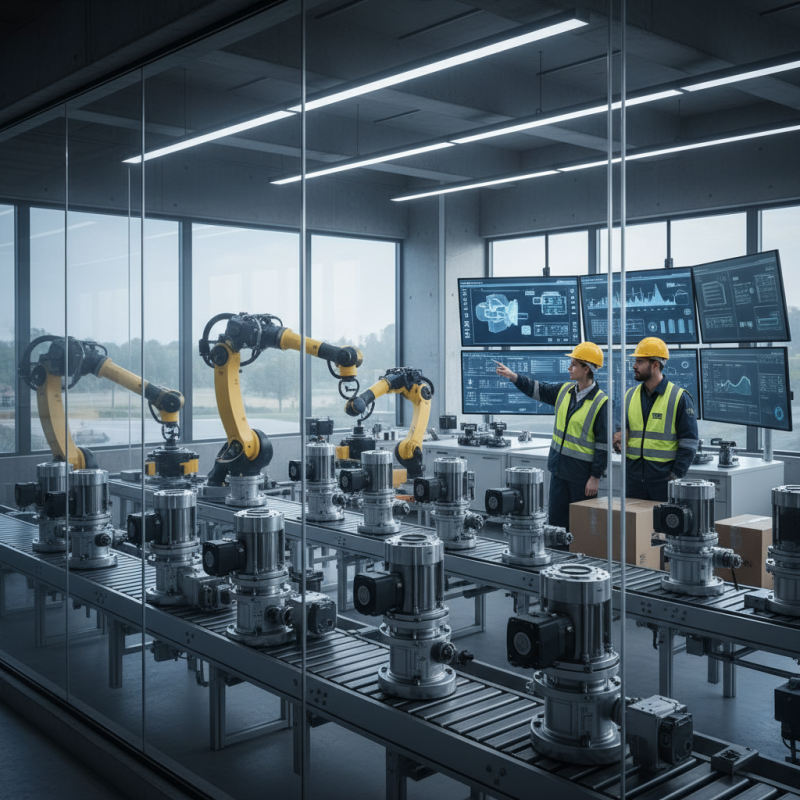
Overview of Industrial Valve Actuators and Their Applications
Industrial valve actuators play a crucial role in various industries. They control the operation of valves, impacting fluid flow and pressure. These devices are essential in sectors such as oil and gas, water treatment, and chemical manufacturing. Their reliable performance ensures safe and efficient processes.
In practice, industrial valve actuators come in various types, including electric, pneumatic, and hydraulic actuators. Electric actuators are popular for their precision and ease of integration with control systems. Pneumatic actuators, on the other hand, offer rapid movement and high force, ideal for large applications. Each type has unique advantages, which can make selection challenging. Different environments might require different actuator types.
When choosing a valve actuator, understanding the application is vital. Factors such as the medium, pressure conditions, and environmental factors can influence effectiveness. Many users overlook these details, leading to poor performance. Assessing specific needs before making a selection can prevent costly mistakes. In the end, the right actuator significantly enhances operational efficiency and safety across various industries.
Key Features and Technologies in Valve Actuator Design
In the realm of industrial valve actuator design, key features significantly impact performance. The design often includes options like electric, pneumatic, and hydraulic actuators. Each type offers distinct advantages, influencing selection based on application needs. For example, electric actuators provide precise control but may require more maintenance. Pneumatic systems are faster but can be less accurate.
Technology plays a crucial role in actuator functionality. Advanced control algorithms enhance precision and responsiveness. Innovations like smart automation allow for real-time monitoring. However, integrating these features often introduces complexities. Users must balance advanced capabilities with ease of maintenance. Additionally, the durability of materials used in actuators is vital. Many rely on various seals and coatings for longevity, yet choices can affect overall reliability.
The market trends indicate a push toward energy efficiency. Manufacturers are increasingly focusing on sustainable solutions. However, there is variability in how well these innovations are implemented across different products. Potential buyers should evaluate both performance and long-term viability closely. Each actuator's design carries its unique challenges and benefits, necessitating thoughtful consideration in decision-making.
Top Industrial Valve Actuator Technologies
Criteria for Selecting a Top Valve Actuator Manufacturer
Choosing a valve actuator manufacturer requires careful consideration of several criteria. Experience in the industry is paramount. A manufacturer with a proven track record will likely provide more reliable solutions. Look for companies that have been in business for many years. Their history gives insights into their product quality and customer service.
Expertise in specific applications is also crucial. Not all manufacturers excel across all industries. Some focus on oil and gas, while others specialize in water treatment. Understanding a manufacturer’s core competencies can guide your decision process. Reliability and technical support are essential as well. Manufacturers that provide robust customer service can ensure smooth operation long after the sale. This reflects a commitment to quality and client satisfaction.
Another important aspect is the adherence to industry standards. Compliance shows that a manufacturer takes safety and performance seriously. This not only boosts credibility but also provides peace of mind. Potential issues arise when manufacturers cut corners or lack transparency. Evaluating certifications and customer feedback can mitigate these risks. A critical approach to research will help in making an informed choice.
Leading Global Manufacturers of Industrial Valve Actuators
The industrial valve actuator market is vast and competitive. Leading manufacturers keep innovating to meet diverse needs. This sector is crucial for automation in various industries. Factors like efficiency, reliability, and ease of maintenance are paramount. The best manufacturers invest heavily in research and development.
Buyers often seek detailed specifications before making a purchase. The choice of material and technology influences actuator performance. Some manufacturers focus on electric, pneumatic, or hydraulic solutions. Each type has its benefits and drawbacks. Understanding these intricacies aids in making informed decisions.
Not all designs work flawlessly in every application. Manufacturers may face challenges related to compatibility and installation. Feedback from users highlights the importance of support and training. As industries evolve, the need for adaptable and versatile solutions increases. Continuous learning and adaptation remain essential in this field.
Top Industrial Valve Actuator Manufacturers for Global Buyers
| Manufacturer Location | Product Range | Technology Type | Annual Revenue (Approx.) | Number of Employees |
| North America | Electric, Pneumatic, Hydraulic | Electric Actuators | $500 million | 1500 |
| Europe | Pneumatic, Electric | Pneumatic Actuators | €750 million | 2000 |
| Asia | Electric, Hydraulic | Hydraulic Actuators | ¥1 billion | 800 |
| Australia | Pneumatic, Electric | Electric Actuators | AUD 200 million | 400 |
| South America | Hydraulic, Electric | Hydraulic Actuators | R$300 million | 300 |
Market Trends and Future Outlook for Valve Actuator Industry
The valve actuator industry is experiencing significant changes, driven by advancements in technology and rising demand across various sectors. According to recent reports, the global market for valve actuators is projected to reach approximately $10 billion by 2025, growing at a CAGR of around 5% from 2021. This growth reflects a shift toward automation and control in industries such as oil and gas, water treatment, and power generation.
As industries embrace digital transformation, the demand for electric and pneumatic actuators is increasing. These technologies improve efficiency and reduce operational costs. However, the market faces challenges, including the need for skilled labor and integration with existing systems. In addition, concerns over reliability and maintenance often inhibit adoption. Companies must navigate these hurdles while ensuring quality and performance.
A focus on sustainability is another key trend. Many manufacturers are exploring eco-friendly materials and energy-efficient designs. This shift aligns with global efforts to reduce carbon footprints. Nonetheless, the transition may require substantial investment and adaptation, prompting some firms to reevaluate their strategies. Balancing innovation with practical implementation remains an ongoing challenge in the valve actuator landscape.