Top Cylinder Seal Kits Suppliers for Global Buyers?
Choosing a dependable supplier for Cylinder Seal Kits is not just a price comparison. A kit may look suitable on a product page, yet fail to match a cylinder’s bore, rod size, groove profile, or operating conditions. Small differences matter. For maintenance teams, the wrong seal can mean repeat labor, equipment downtime, and avoidable shipping costs.
Global buyers should compare suppliers on technical fit, material options, quality controls, and communication. Ask for drawings or dimensional data, and confirm compatibility with the hydraulic fluid, temperature range, and pressure in your application. Nitrile, polyurethane, and fluorocarbon seals behave differently; the best choice depends on the service environment, not a broad product label. Request batch traceability and inspection records where available. Clear answers count.
Logistics matter, too. Check whether the supplier can provide consistent packaging, realistic lead times, and documents that support receiving and inventory processes. Samples can help verify fit, although one successful sample does not prove every production batch will be identical. That deserves attention. Supplier claims should be checked against specifications and records, rather than accepted at face value.
This guide examines practical ways to assess Cylinder Seal Kits suppliers for international purchasing. It does not treat any single company as the right choice for every buyer. Applications vary, and supplier performance can change. A careful shortlist, supported by written specifications and direct technical questions, gives procurement teams a more reliable starting point.
What Cylinder Seal Kits Include and How They Are Used
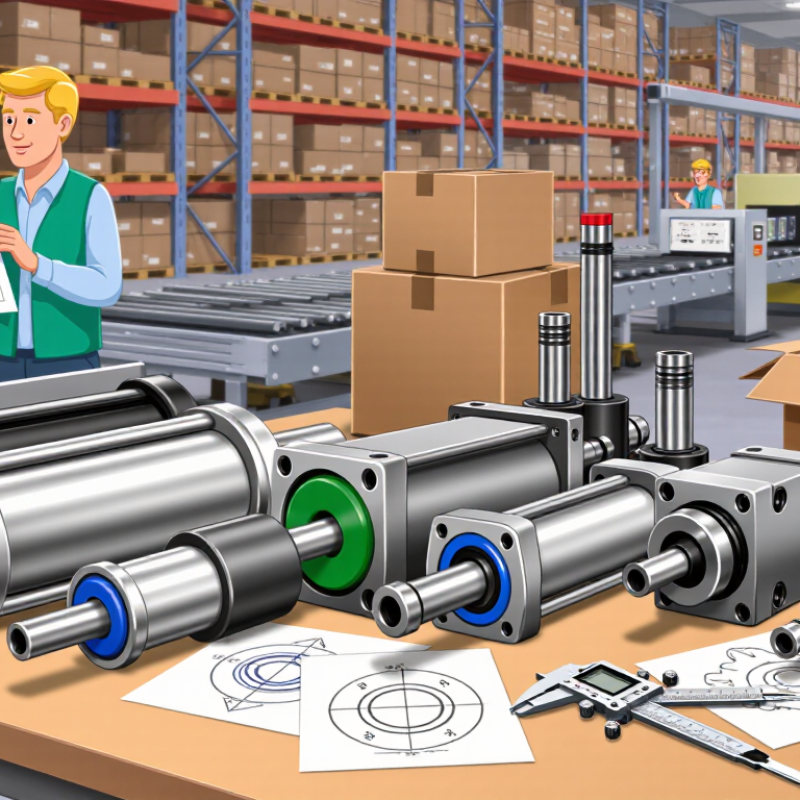
A cylinder seal kit usually contains the seals and wear parts needed to service a specific hydraulic cylinder. Contents vary by cylinder design, but may include a piston seal, rod seal, wiper, O-rings, backup rings, and guide bands. The piston seal limits fluid bypass inside the barrel, while the rod seal controls leakage as the rod moves. A wiper helps keep dust and grit out. Small parts matter.
These kits are used during scheduled maintenance or when leaks, drifting loads, or pressure loss indicate worn seals. Before fitting a kit, technicians should check the cylinder model and compare seal dimensions, material, and profile. Fluid type, operating temperature, and pressure also affect suitability. Clean the work area and inspect the rod for scratches; a new seal can fail quickly against a damaged surface. Fit is not everything. In practice, a kit that appears correct may still cause trouble if its parts were stored poorly or installed with a twist. Keep the removed seals for comparison, and record the cylinder details for the next service. That step is easy to skip, and it can save time later.
What a Cylinder Seal Kit Includes
Example component counts for one hydraulic cylinder service kit. The chart shows an illustrative configuration, not a standard: kit contents vary with cylinder design, dimensions, and operating conditions.
How the parts work: Rod and piston seals control fluid leakage and maintain pressure; the wiper helps keep contaminants out; wear rings guide moving parts and help prevent metal-to-metal contact; and O-rings seal static joints. Match replacement parts to the cylinder specifications and service requirements.
Types of Suppliers Serving Global Buyers
Global buyers usually source cylinder seal kits from three supplier types: seal manufacturers, industrial distributors, and hydraulic repair specialists. Manufacturers can provide material guidance and custom dimensions, useful when a cylinder has an uncommon bore or rod size. Ask for compound data, temperature limits, and a dimensional drawing, not just a kit number. Some suppliers also provide batch traceability and inspection records. Lead times may be longer for nonstandard sets. Details matter.
Distributors often stock common kits in regional warehouses, helping reduce downtime when a machine is already dismantled. Their value depends on accurate part matching; a similar-looking wiper may have a different lip profile. Repair specialists can inspect a worn rod and investigate why a seal failed, then recommend parts suited to actual operating conditions. Availability can vary, especially for older equipment. Online industrial suppliers widen the options, but product pages may omit material details or fit tolerances. Verify those points before ordering. Share the cylinder model, bore, rod diameter, fluid, and operating temperature, then compare the delivered kit with its packing list. A small mismatch can delay assembly. Suppliers do not always make verification easy. That is worth admitting.
How to Evaluate Supplier Quality and Technical Support
A strong cylinder seal kit supplier should prove more than price and delivery speed. Ask for compound specifications, hardness tolerances, operating-temperature limits, and fluid-compatibility data. For a hydraulic cylinder, a tiny mismatch can mean leakage, scoring, or an unplanned shutdown. Request dimensional inspection records and lot traceability, then compare samples against the actual groove and service conditions. ISO’s 2022 Survey reported 1,265,216 valid ISO 9001 certificates worldwide. That figure covers many industries; certification shows a quality system, not verified seal-kit performance. Check how the supplier controls incoming materials and handles nonconforming parts.
Technical support matters under pressure. Give shortlisted suppliers the cylinder bore, rod diameter, working pressure, fluid type, temperature range, and photos of failed seals. Strong engineers ask follow-up questions before recommending a compound or profile. They should explain the trade-offs in plain language and provide drawings or test evidence when needed. Test the response, too: send one realistic application query and note whether the reply addresses wear, extrusion gaps, and installation risks. Fast replies help. Specific replies help more. A polished catalog can still leave gaps; I would verify recommendations with a controlled trial and record leakage, installation time, and early wear. Ask how quickly they can trace a batch and investigate a failure. A supplier’s answer reveals how support works after purchase.
Comparing Customization, Pricing, and Minimum Order Requirements
For global buyers, a cylinder seal kit is rarely a one-size-fits-all purchase. Grand View Research estimated the global hydraulic cylinder market at about USD 14.9 billion in 2023, reflecting broad demand across mobile and industrial equipment. That scale makes supplier comparison useful, but it does not guarantee compatible parts. Share the cylinder model, bore and rod diameters, groove dimensions, fluid, and operating temperature. A clear drawing can prevent a seal that fits the box but fails in the gland. Small details matter.
Customization affects both price and minimum order quantity. Ask whether suppliers can match a nonstandard profile, offer material choices, and provide sample kits before production. Compare quotes by line item: tooling, seals, backup rings, inspection, packaging, and freight. Small batches cost more. Grand View Research’s market estimate describes the sector, not individual kit prices; request a dated quote and confirm what it includes. MOQ often depends on material availability and tooling, so obtain the threshold for each configuration, not just a general figure. Some buyers overlook this. Also ask how dimensions are checked and whether batch records are available. A low quote may still be the wrong choice if it excludes testing or leaves custom tooling charges unclear.
Global Sourcing, Shipping, and Compliance Considerations
For global buyers, sourcing cylinder seal kits means checking more than price and lead time. Confirm bore and rod dimensions, seal profile, elastomer type, fluid compatibility, and temperature range against the equipment’s service conditions. Ask for batch identification, inspection records, material declarations, and clear packing lists. Small errors matter. A seal that looks correct may swell in the wrong hydraulic fluid.
Shipping plans need realistic buffers. UNCTAD’s Review of Maritime Transport 2024 reports that maritime trade grew 2.4% in 2023 and was forecast to grow 2.6% in 2024. Port delays can still disrupt replenishment. Compare air and sea options using the cost of downtime, not freight charges alone. For compliance, confirm the correct customs classification, country-of-origin details, and destination-market documentation with your broker. Requirements vary. Keep records tied to each shipment and check current rules before dispatch.
Tips: Request a sample kit and verify fit in a controlled maintenance setting before placing a large order. Specify labeled inner bags, moisture protection, and carton quantities; these details reduce receiving errors. Ask suppliers how they handle a failed inspection or a changed material batch. Paperwork can look complete, yet still miss a detail. That risk deserves a second look.