Glass Decor Films are no longer chosen for appearance alone. On a bright afternoon, a patterned film can soften glare, add privacy, and give a plain glass partition a more deliberate finish. Yet samples under showroom lights may look different beside a real window. Adhesive quality, pattern consistency, light transmission, and installation support all deserve close inspection.
Grand View Research estimated the global window film market at about US$2.64 billion in 2023 and projected growth through 2030. The category includes several film types, so that figure is useful market context, not a direct measure of decorative-film sales. It does, however, point to sustained interest in film solutions for buildings and interiors. Details matter. Buyers comparing Chinese manufacturers should ask for current technical data, physical samples, and clear information about production capacity and quality checks. A low quoted price alone says little.
This guide examines leading Glass Decor Films manufacturers in China, including their product ranges, customization options, and export experience. It also considers what buyers can verify before requesting a quotation. One sourcing limitation matters: no reference articles or verifiable expert quotation were supplied for this request. Rather than invent a statement or attribute one to an industry specialist, this introduction keeps its market claim tied to a named research firm. The comparison that follows should still be checked against current product documentation and direct supplier discussions.
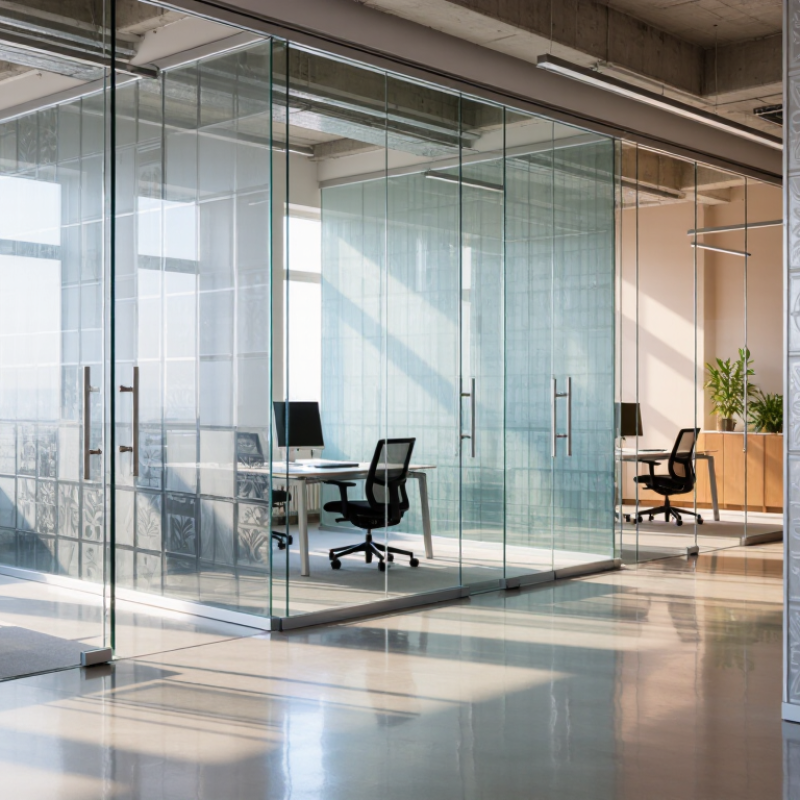
China’s glass decorative film industry serves offices, retail spaces, hotels, and homes. Products range from frosted and patterned films to colored finishes and films designed to reduce glare. Demand is shaped by renovation activity, interior design trends, and the need to adapt existing glass without replacing it. Manufacturing quality depends on more than appearance. Buyers should examine film thickness, optical clarity, adhesive consistency, and resistance to fading or peeling. A neat sample matters. Long-term performance matters more.
The International Energy Agency’s 2023 Global Status Report for Buildings and Construction estimates that buildings account for about 30% of global final energy use and 26% of energy-related emissions. These are global figures, not measures of Chinese film sales. China’s National Bureau of Statistics reported 998.31 million square metres of completed building floor area in 2023 for real estate developers. This indicates building activity, but does not directly measure decorative-film demand. Evidence has limits. Public reports rarely separate decorative glass film from broader architectural-film categories. For a fair supplier comparison, request product test data and check visible-light transmission, UV performance, adhesive aging, and sample consistency.

Comparing glass decor film manufacturers requires more than browsing catalogs and price lists. Buyers should examine production consistency, material specifications, and the evidence behind performance claims. Ask for samples from different production runs, then compare color, thickness, adhesive coverage, and edge quality under the same lighting. Small differences show.
A capable manufacturer can explain how its films behave on clear glass, textured panels, and curved surfaces. Request test data for light transmission, adhesion, moisture resistance, and aging, and check whether the methods are clearly described. A glossy sample may look impressive, but it does not reveal how easily the film installs or whether bubbles appear after application. Ask for installation guidance and inspect a test panel after several days.
Production capacity and quality control also deserve practical scrutiny. Review inspection records, batch identification, packaging, and the process for handling defects. Clear communication matters when specifications change or delivery schedules tighten. Some comparisons remain imperfect: sample performance may not match every full-scale order, and test conditions differ. Note those limits rather than treating a single sample as proof. During factory discussions, ask who verifies incoming materials and how corrective actions are documented.
China’s glass decorative film sector includes manufacturers specializing in patterned films, privacy finishes, and functional surface layers. Some run in-house coating and printing lines, while others combine local production with externally sourced materials. Their profiles can look similar online. Production details reveal more.
A manufacturer focused on decorative patterns may offer frosted, geometric, or gradient designs, printed onto rolls for interior glass. Buyers can check sample clarity, pattern alignment, and whether the film looks consistent near its edges. Another type emphasizes technical performance, such as adhesive stability or resistance to everyday cleaning. Ask for written specifications and installation guidance, not just attractive product photos.
Manufacturing capacity matters, but it is not the whole story. Request a sample from the same production series intended for an order, then inspect it under natural and indoor light. Small differences show. Some suppliers provide limited information about testing methods, so comparisons may be imperfect. That gap deserves attention. Clear communication about film thickness, roll dimensions, backing liners, and suitable glass surfaces helps buyers assess whether a manufacturer fits a specific project.
China’s glass decor film manufacturers commonly produce frosted, patterned, gradient, and stained-glass-effect films. Their products combine a printed or embossed surface with a transparent base layer. PVC is widely used for flexible decorative films, while PET can provide a firmer, clearer feel. The adhesive and release liner matter too. Poor adhesive balance may leave bubbles or residue during installation.
Production often includes surface treatment, printing, embossing, coating, lamination, and precision slitting. Gravure printing suits long runs with consistent patterns; digital methods can support shorter, customized orders. Embossing adds texture, such as fine lines that catch light near a window. Some factories use inline cameras to spot print defects, but visual inspection alone cannot confirm adhesive performance.
A practical supplier review should include samples, technical data, and checks for thickness, color consistency, and peel strength. Test a sample on clean glass under real indoor lighting. That detail matters. Ask how the film performs after temperature changes, and whether the liner peels evenly. Results can vary by glass condition and installation skill, so no specification replaces a small trial. Manufacturers may also need to improve documentation; attractive samples do not tell the whole story.
Glass decorative films can add privacy and soften daylight in offices, hotels, shops, and homes. Frosted patterns suit meeting-room partitions, while colored or printed films can create focal points on interior glazing. Some films also reduce glare, but performance depends on the product and installation. Check that the film is compatible with the glass type and intended use.
Quality checks should cover thickness, color consistency, adhesive performance, dimensional stability, and resistance to scratching or aging. Ask suppliers for test reports that identify the methods used, not just broad quality claims. Inspect samples under daylight and indoor lighting; a shade that looks even in a catalog may shift beside a window. The sample is not the whole story. Request production-batch checks and clear packaging details. For supplier selection, compare customization options, minimum order quantities, lead times, and after-sales support. A low quote may omit useful testing or careful packing.
Tips: Share glass dimensions, surface conditions, and project photos before requesting a quote. Ask for a sample from the intended production specification. Check edges after installation, too; small lifting can be easy to miss at first.
Same Day Shipping
ISO Certified Production