In 2026, choosing a Compressor Boring Machine is less about buying the largest frame and more about matching the machine to the repair. Compressor cylinders and housings demand accurate alignment, controlled material removal, and repeatable finishes. A small setup error can leave a bore out of round. That is expensive to correct.
The U.S. Department of Energy’s Improving Compressed Air System Performance: A Sourcebook for Industry reports that compressed air can account for 10–30% of a facility’s electricity use. That figure makes dependable repairs important, though it does not measure boring-machine demand directly. This guide compares portable line-boring systems, dedicated cylinder-boring machines, and CNC horizontal boring mills. It looks at workpiece size, setup time, achievable accuracy, and the practical limits of each type. A machine that excels on a large stationary housing may be awkward on a compact repair bench.
One caution matters. Catalog accuracy figures do not guarantee shop-floor results; tooling condition, fixturing, and operator skill matter too. The supplied material contains no verifiable expert quotation, so attributing a sentence to a named specialist would risk inventing a source. The comparison therefore relies on documented technical criteria and the DOE report, not an unverifiable endorsement. The best choice is the one that fits the actual compressor models, workload, and inspection process. Needs vary.
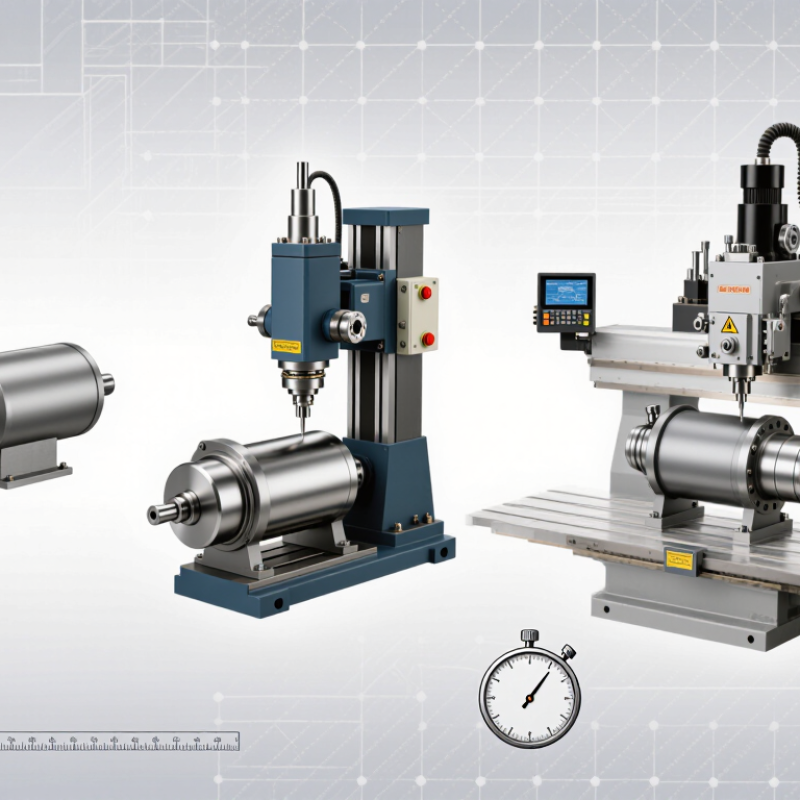
A compressor boring machine repairs or reconditions the cylindrical bores inside compressor components. It removes a controlled layer of metal to correct wear, scoring, or distortion. The aim is a round, accurately sized bore with a suitable surface finish. The fit matters. Technicians use measuring tools and secure fixtures to hold the workpiece steady. A clean-looking setup can still be slightly misaligned, so careful checks matter more than appearance.
Tips: Measure the bore at several points before machining. Check alignment, tool condition, and the component’s service limits. Avoid removing more material than necessary; extra cutting may leave the part unusable. Not every bore needs cutting.
Common machine types include portable units for on-site work and horizontal or vertical machines for larger, heavier components. Portable equipment can help when moving a compressor is difficult, while stationary machines may offer more support for precise work. The right choice depends on bore size, access, and repair requirements—not just machine capacity. A thoughtful inspection can sometimes show that replacement or another repair method is more suitable.

Compressor boring restores a cylinder bore when wear, scoring, or distortion prevents accurate operation. The technician first cleans and inspects the housing, then secures it firmly on the machine table. A boring bar or spindle is aligned with the bore’s centerline. This alignment matters: a setup can look square and still be slightly off. That is easy to miss.
A cutting tool removes material in controlled passes, enlarging the bore to the specified diameter and correcting its shape. The operator checks measurements at several depths and angles with suitable measuring tools. A final light cut helps reach the required size and surface condition. Boring is not the same as honing; honing may follow when the surface needs a particular finish. Actual limits depend on the compressor design, repair instructions, and component condition. Do not assume every worn bore can be safely machined.
Compressor boring machines in 2026 are best grouped by how they support the workpiece and where the bore sits. Portable line-boring machines are used on installed or oversized components, such as aligned bearing housings. A bar passes through the existing bore, helping restore concentricity without moving a heavy compressor assembly to a workshop. Setup matters: even slight bar deflection can leave a tapered or uneven cut.
Horizontal boring machines handle large cylinders, crankcases, and other components mounted on a table. Their spindle approaches the work horizontally, which can make long bores easier to reach and measure. Vertical boring machines suit large, heavy parts that can be clamped upright; gravity helps support the work, though loading and alignment still demand care. CNC boring and milling machines add programmed positioning and repeatable tool paths for complex parts or multiple bores. They can reduce setup variation, but only when the measurements and fixtures are sound.
Fancy controls cannot fix a poor datum.
The categories overlap in real repair shops. A portable unit may correct alignment on site, while a horizontal or CNC machine finishes a removed component to a specified diameter and surface finish. Choose by bore size, access, material, tolerance, and whether the compressor can be dismantled. The machine name alone is not enough.
Portable boring machines suit on-site repairs where a compressor housing cannot be moved easily. They handle smaller bores and rely heavily on careful alignment. Vertical boring machines support larger, heavier components, with the workpiece secured on a table. CNC boring machines automate tool movement and can repeat complex measurements more consistently. Setup matters. None is automatically the best choice.
Capacity depends on bore diameter, component weight, tool travel, and available workspace. A large machine may remove more material, but that does not guarantee a tighter finish. Precision also depends on spindle condition, fixture rigidity, cutting speed, and measurement methods. For example, a dial indicator can reveal runout before cutting begins. Small errors add up. Portable units offer access; CNC systems generally offer repeatability, while vertical machines balance support and reach. Actual results vary with operator skill and component condition.
Tips: Match the machine’s working range to the measured bore, not just the compressor’s stated size. Check alignment, vibration, and tool wear before machining. Record measurements at several points; a slightly uneven bore can be easy to miss.
What Are the Top Compressor Boring Machine Types in 2026?
Which Compressor Boring Machine Type Suits Each Application?
Choosing a compressor boring machine starts with the cylinder, not the catalogue. Check its bore diameter, depth, material, and condition. Also consider whether the compressor can be dismantled or must stay in place. A precise measurement at the worksite can prevent a costly mismatch.
Portable line boring machines suit on-site repairs when moving a large compressor is difficult. They can restore worn bores with less disassembly, but setup matters. A rigid mounting and careful alignment help avoid taper or chatter. For a small, accessible cylinder, a compact setup may be enough. Deep bores need adequate bar support.
Stationary horizontal boring machines are useful for heavy components that can be transported to a workshop. They provide stable clamping and controlled cutting, especially when several bores need consistent dimensions. Vertical boring machines can fit large, heavy parts that are awkward to position horizontally. CNC models help repeat complex machining paths, though programming and fixturing add time. Not every repair needs that capability.
Match the machine’s working range to the actual bore, then confirm the required tolerance and surface finish. Measure twice. A machine may reach the workpiece yet still lack the rigidity for a clean cut. There is no perfect type for every job; access, setup time, and operator skill can change the choice.
Qualitative application-fit ratings for common compressor repair and machining tasks
How to read: Ratings range from 1 (less suited) to 5 (well suited); they are a selection guide, not measured performance data. Portable line boring suits on-site repairs, horizontal boring mills handle large disassembled components, vertical boring machines suit large-diameter parts, CNC boring mills support repeatable production, and jig boring machines are suited to smaller, high-accuracy work. Confirm capacity, tolerances, and setup requirements for each job.
Same Day Shipping
ISO Certified Production