Choosing a reliable ball check valve supplier requires more than comparing prices or browsing attractive product catalogs. A dependable supplier should demonstrate manufacturing experience, material control, pressure testing, traceability, and responsive technical support. These details matter when a valve operates beneath a pump station, inside a wastewater line, or within a process system carrying abrasive fluids.
Valve engineering consultant John Ballun once observed, “A check valve is only as reliable as the system it protects.” That principle deserves attention. A ball check valve may look simple, yet its performance depends on flow direction, backpressure, installation position, sealing design, and maintenance conditions. Small differences in ball material or seat geometry can affect noise, water hammer, leakage, and service life.
This guide, “10 Best Ball Check Valve Suppliers Worldwide,” introduces manufacturers and distributors recognized for product quality, engineering capability, certifications, and international support. The selection considers practical factors, including ductile iron and stainless-steel options, threaded and flanged connections, clean-water performance, and demanding industrial applications.
No ranking is permanently perfect. Supplier capabilities change, and regional service may differ. Buyers should verify current certificates, test reports, delivery terms, and after-sales commitments before placing an order. That extra step can prevent expensive surprises.
Look beyond the brochure.
The strongest supplier is not always the largest one. It is the company that understands your media, pressure range, operating temperature, and failure risks. This article provides a careful starting point, while final decisions should remain based on documented technical evidence and site-specific requirements.
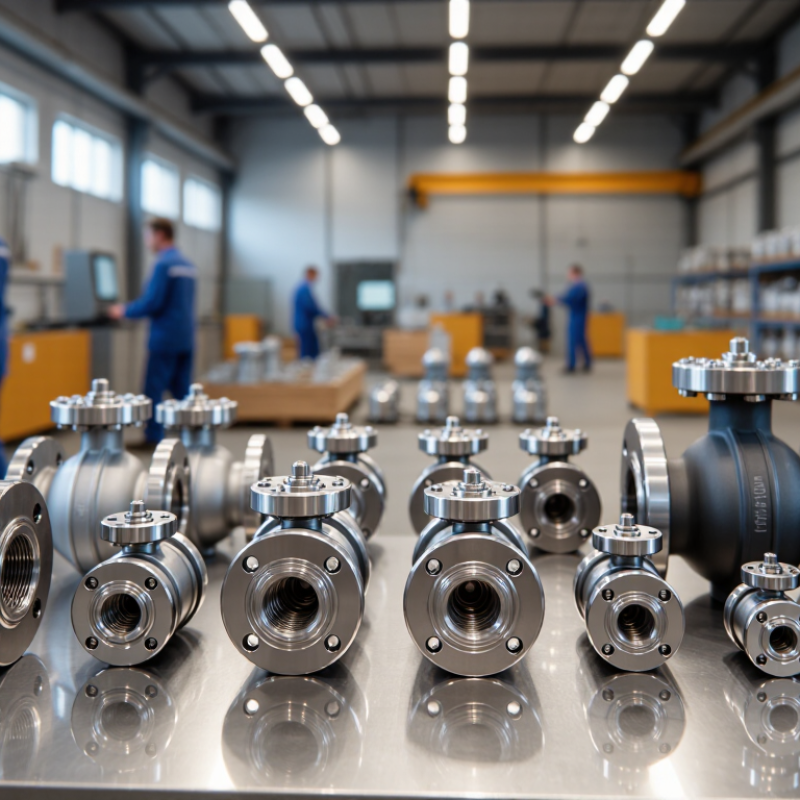
What a Ball Check Valve Is and How It Works
A ball check valve is a one-way valve with a spherical closing element. Fluid pressure pushes the ball away from its seat, opening the passage. When flow slows or reverses, the ball returns to the seat and blocks backflow. Simple physics. No actuator is normally required.
The ball may use an elastomeric or metal seat, depending on temperature, pressure, and fluid cleanliness. A spring-assisted design can close faster, while a free-floating ball may reduce pressure loss. Selection still requires care. The U.S. Department of Energy reports that pumping systems can consume 25–50% of industrial facility electricity, so unnecessary pressure loss deserves attention. A poorly sized check valve can increase pump workload and create damaging water hammer.
ISO 5208 testing evaluates valve shell strength and seat leakage, but laboratory results are not field guarantees. Installation position, pipe vibration, debris, and repeated cycling matter. The American Society of Mechanical Engineers also emphasizes pressure-rating and material compatibility in valve selection. In practice, I would verify flow direction, minimum operating pressure, and expected closing behavior before choosing a supplier. Catalog data can look precise. Real piping is less cooperative.
A ball check valve is a one-way valve that uses a free-moving ball to stop reverse flow. When the upstream pressure is higher than the downstream pressure, the ball moves away from the seat and allows flow. When flow reverses, the ball returns to the seat and closes the passage. The comparison below summarizes common ball check valve configurations and the main technical factors used when evaluating suppliers.
| No. | Valve Configuration | Typical Application | Common Body Materials | Typical Ball Materials | Connection Options | Typical Size Range | Typical Pressure Range | Main Selection Factors |
|---|---|---|---|---|---|---|---|---|
| 1 | Threaded Ball Check Valve | Water lines, small pumps, irrigation systems, and general utility piping | Brass, bronze, stainless steel, or cast iron | Stainless steel, thermoplastic, or elastomer-coated metal | Female threaded or male threaded ends | Typically DN15–DN50 | Commonly PN10–PN25, depending on material and design | Thread standard, compact dimensions, sealing material, and ease of maintenance |
| 2 | Flanged Ball Check Valve | Industrial water treatment, process piping, cooling water, and pump discharge | Ductile iron, cast iron, carbon steel, or stainless steel | Stainless steel, ductile iron, or coated steel | Raised-face, flat-face, or other standardized flanges | Typically DN50–DN600 | Commonly PN10–PN40 or Class 150–300 | Flange drilling, face-to-face dimensions, pressure rating, and installation orientation |
| 3 | Wafer Ball Check Valve | Space-restricted systems, HVAC circuits, water systems, and chemical pipelines | Cast iron, ductile iron, carbon steel, or stainless steel | Stainless steel, coated steel, or engineered polymer | Wafer-style installation between flanges | Typically DN50–DN500 | Often PN10–PN25 or Class 150 | Short face-to-face length, flange compatibility, low cracking pressure, and service clearance |
| 4 | Sanitary Ball Check Valve | Food, beverage, dairy, pharmaceutical, and hygienic processing systems | 316 or 316L stainless steel | 316L stainless steel, PTFE, EPDM, or other approved hygienic materials | Tri-clamp, butt-weld, orbital-weld, or hygienic threaded ends | Typically DN15–DN100 | Usually selected for moderate pressure service | Surface finish, drainability, clean-in-place compatibility, gasket material, and hygienic certification |
| 5 | Chemical-Service Ball Check Valve | Corrosive liquids, chemical dosing, acids, alkalis, and laboratory process systems | 316L stainless steel, lined steel, polypropylene, PVC, or PVDF | PTFE, ceramic, Hastelloy-type alloys, or corrosion-resistant stainless steel | Threaded, socket-weld, flanged, or union connections | Typically DN15–DN150 | Application-specific; temperature and chemical compatibility are critical | Chemical resistance, permeation, temperature limit, seat compatibility, and leakage prevention |
| 6 | Wastewater Ball Check Valve | Sewage pumps, sludge handling, drainage, and municipal wastewater systems | Ductile iron, cast iron, or epoxy-coated carbon steel | Rubber-coated ductile iron, stainless steel, or solid elastomer | Flanged or grooved connections | Typically DN50–DN500 | Commonly PN10–PN16 | Clog resistance, passage size, solids handling, non-slam performance, and access for cleaning |
| 7 | Pump Discharge Ball Check Valve | Positive-displacement pumps, submersible pumps, booster sets, and transfer skids | Cast iron, ductile iron, carbon steel, or stainless steel | Stainless steel, nitrile-coated metal, EPDM-coated metal, or polymer | Threaded, flanged, or grooved ends | Typically DN25–DN300 | Often PN10–PN40, depending on pump duty | Cracking pressure, pressure drop, water hammer control, flow velocity, and pump compatibility |
| 8 | High-Temperature Ball Check Valve | Hot water, thermal oil, steam-related auxiliary services, and industrial heating systems | Carbon steel, stainless steel, or high-temperature alloy steel | Stainless steel, alloy steel, graphite-compatible metal, or ceramic | Threaded, socket-weld, butt-weld, or flanged ends | Typically DN15–DN200 | Pressure rating depends strongly on operating temperature | Temperature derating, seat construction, thermal expansion, body strength, and insulation clearance |
| 9 | Low-Pressure Drainage Ball Check Valve | Floor drains, sump systems, rainwater drainage, and light-duty discharge piping | PVC, polypropylene, ABS, cast iron, or ductile iron | Plastic, rubber, or corrosion-resistant stainless steel | Solvent-weld, threaded, hub, or flanged connections | Typically DN32–DN200 | Usually low-pressure service | Backflow prevention, odor control, installation space, chemical resistance, and maintenance access |
| 10 | Oil and General Process Ball Check Valve | Fuel transfer, lubricating oil, compressed-air auxiliaries, and non-corrosive process fluids | Carbon steel, stainless steel, ductile iron, or bronze | Stainless steel, hardened steel, PTFE, FKM, or nitrile-compatible materials | Threaded, flanged, welded, or compression connections | Typically DN15–DN300 | Commonly PN16–PN40 or Class 150–300 | Fluid viscosity, seal compatibility, fire-safety requirements, pressure loss, and documentation quality |
The size and pressure values shown are typical industry ranges rather than universal limits. Final selection should be based on fluid composition, temperature, flow rate, allowable pressure drop, installation orientation, connection standard, and the applicable local or project specifications.


Copyright © 2011-2025 Davis Valve.
All Rights Reserved.


Same Day Shipping
ISO Certified Production