Top 5 Tips for Choosing the Right Switch Panel Today
Choosing the right Switch Panel can be a daunting task. With numerous options available, making an informed decision is crucial. A switch panel serves as the heart of your electrical system. It enables control over lighting, fans, and other devices, enhancing convenience and functionality.
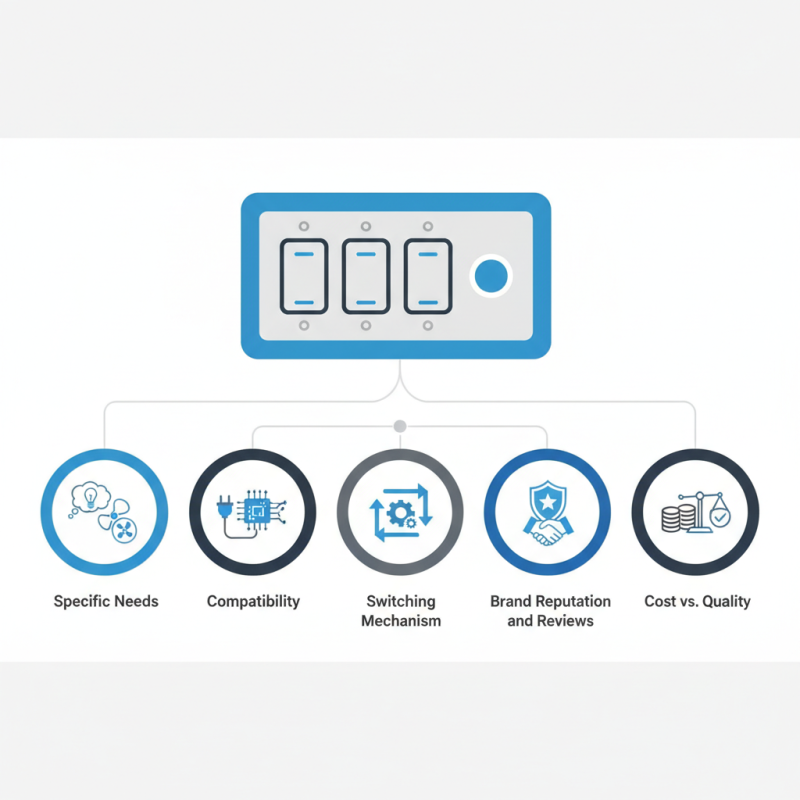
When selecting a switch panel, think about your specific needs. Do you require a sleek design or advanced features? Consider the panel's compatibility with your existing electrical setup. Reflect on the switching mechanism as well; some models offer tactile feedback, while others prioritize silent operation. Each choice impacts user experience.
Take note of the brand’s reputation. Established manufacturers often provide reliable products with warranties. Look for customer reviews that highlight real-life experiences. They can reveal strengths and weaknesses that specifications might not show. Remember to seek balance between cost and quality, as the cheapest option may lead to regrets later on. Ultimately, understanding your needs allows for a well-informed choice.
Understanding Different Types of Switch Panels Available in the Market
When choosing a switch panel, understanding the types available is crucial. There are several options, including rocker, toggle, and smart panels. Each has unique features catering to different needs. For example, according to a report by the International Electrotechnical Commission, smart panels can enhance energy efficiency by up to 30%. This highlights the growing trend towards automation in switch design.
Rocker panels are user-friendly and ideal for homes. They are easy to operate and often come in sleek designs. However, they may not provide the same level of customization as other types. Conversely, toggle panels offer a tactile feel, making them a popular choice in commercial spaces. Yet, this added robustness may not appeal to all homeowners.
Additionally, the market shows a significant increase in demand for smart panels. A study from MarketsandMarkets indicates that the smart home market is projected to grow to $174 billion by 2025. This growth reflects a shift towards integrating technology into everyday solutions. However, users must consider compatibility with existing systems before making a switch. Choices should be based on specific requirements rather than trends alone.
Evaluating the Key Features to Look for in a Switch Panel
When selecting a switch panel, understanding its key features is crucial. One essential aspect is the material quality. Look for panels made from durable materials that can withstand daily use. Lightweight options can be tempting, but they often lack longevity. Aim for a panel that balances weight with strength.
Another significant feature is the number of ports. Assess your specific needs based on the devices you plan to connect. More ports may offer versatility, but they can complicate installation. A tidy look is desirable. Think about how cluttered wiring can affect your space. Consider whether the panel provides clear labeling for easy identification. This small detail can save time in the long run.
Safety features are also paramount. Ensure your choice has adequate protection against overloads and short circuits. Cheaper panels might lack such safeguards, leading to potential risks. Pay attention to user reviews regarding safety. It’s wise to reflect on experiences shared by others. They can highlight flaws that might not be initially obvious. Investing time in this research will lead to a more reliable switch panel selection.
Considerations for Compatibility with Your Electrical System
When choosing a switch panel, compatibility with your electrical system is essential. A recent report by the Electrical Safety Foundation International highlighted that improper installations account for nearly 30% of electrical failures. Ensuring that your switch panel matches your system can prevent hazards and enhance performance.
Examine the voltage and amperage ratings of your existing system. An incompatible switch panel may not handle the required load, leading to risks like overheating. According to a study from the National Fire Protection Association, over 50,000 home fires each year are caused by faulty electrical systems. Thus, understanding your system's specifications is critical for safety.
Additionally, consider the panel's design and circuitry. Incompatibility can result in erratic performance. Claims from industry experts suggest that a well-matched panel can improve energy efficiency by up to 15%. Installing the right switch panel impacts not only safety but also energy consumption, making it a priority for any electrical upgrade.
Assessing the Aesthetic Appeal and Design of Switch Panels
When selecting switch panels, aesthetic appeal and design play a crucial role. A well-designed switch panel can enhance the overall look of any room. Reports indicate that 70% of homeowners prioritize style over functionality when choosing fixtures. This choice reflects a growing trend towards creating visually appealing spaces.
Incorporating elements like shape, color, and texture can significantly influence a switch panel’s appeal. For instance, textured surfaces can create a tactile experience that draws attention. According to design studies, using neutral colors in switch panels aligns with contemporary interior design trends. It allows for versatility and complements various decor styles.
However, it is essential to balance aesthetics with practicality. While a striking design is attractive, consider ease of use and durability. Poorly designed panels might not withstand daily wear. Reflections on user experience show that 40% of users feel frustrated when functionality is compromised for style. Finding a switch panel that marries both aspects is vital for lasting satisfaction in home design.
Budgeting: How to Find a Quality Switch Panel That Fits Your Price Range
When selecting a switch panel, budgeting plays a key role. It’s crucial to identify options that deliver quality without breaking the bank. A 2022 industry report revealed that consumers often overspend by 30% when selecting electrical components. Prioritizing needs can help narrow your choices and enhance your decision-making process.
Evaluate your requirements based on function and aesthetics. Tips include researching specifications and checking compatibility with existing setups. A responsible budget should account for quality features that ensure safety and durability. Spending a little more on reliable materials can prevent costly repairs later.
Establish a realistic price range based on your chosen specifications. The average price of a quality switch panel varies between $30 to $150. Be mindful of common pitfalls, such as opting for the lowest price at the expense of quality. Balancing cost and features is essential for maximizing your investment in a switch panel.