Essential Tips for Choosing the Right Butt Fusion Tool?
When selecting the right Butt Fusion Tool, the stakes are high. The quality of the tool can directly impact the durability and reliability of the joints in piping systems. Renowned industry expert Dr. Sarah Thompson once stated, “The right tool can make or break a fusion joint.” Her insights emphasize not just selection but understanding the specific needs of each project.
Choosing a Butt Fusion Tool requires careful consideration. Factors such as material type, pipe diameter, and fusion process are crucial. Each tool has distinct features. Some tools excel in precision, while others may offer enhanced portability or ease of use. Professionals must evaluate these traits based on their unique demands.
It’s also essential to reflect on the experience with past tools. What worked previously might not be suitable now. Take time to research brands and models. Different projects may require diverse tools. Reliability and reputation in the market play significant roles in decision-making. Prioritizing these elements ensures the chosen Butt Fusion Tool will meet both current and future needs.
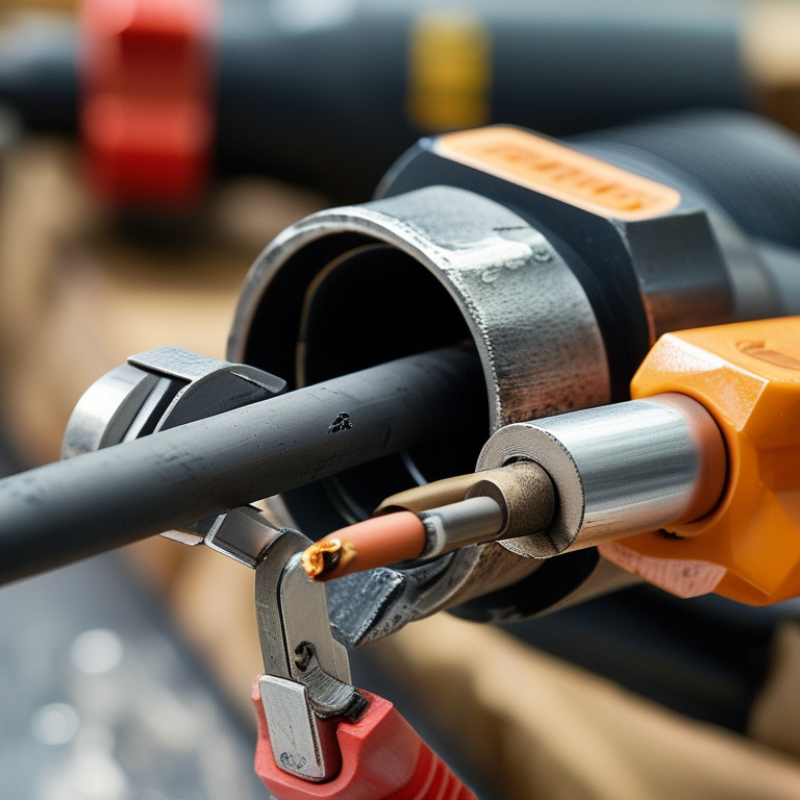
Understanding Butt Fusion Welding and Its Applications
Butt fusion welding is a widely used technique, particularly in the plastics industry. This method involves securely joining two ends of thermoplastic pipes or fittings by heating them until they melt, then pressing them together. The fusion process creates a strong, homogeneous bond that can withstand pressure and resist leaks. According to a report by the Plastic Pipe Institute, properly executed butt fusion joints can achieve up to 90% of the materials' original strength.
Understanding the applications of butt fusion welding is crucial for industries like water supply, gas distribution, and sewage systems. In fact, the demand for high-quality plastic piping solutions is projected to grow significantly, with an expected increase of 7% annually through 2026. However, choosing the right butt fusion tool is vital to ensure the integrity of these applications. Improper tooling can lead to weak joints, which can result in costly repairs and environmental concerns.
Professional practices emphasize the need for skilled operators and precise equipment. Training programs often highlight that even minor inconsistencies in temperature or pressure can affect weld quality. This requires not only the right tools but also continuous education and skills development. Effective butt fusion welding is thus a combination of precise machinery and experienced technicians committed to maintaining high standards.
Key Features to Consider When Selecting Butt Fusion Tools
Choosing the right butt fusion tool is crucial for successful piping projects. Understanding key features can help make informed decisions. One essential factor is the tool's heat range. Studies indicate that improper temperatures can lead to weak joints, compromising integrity. For example, a temperature that fluctuates beyond recommended levels can decrease fusion strength by up to 30%.
Another important feature is the tool's fusion time. Different materials require varying heating durations. For instance, high-density polyethylene can take longer to fuse than polypropylene. Industry reports suggest optimized fusion times can enhance overall efficiency, increasing project delivery by as much as 25%. Therefore, always consult technical specifications before making a selection.
Portability is also a vital aspect to consider. A lightweight and compact tool can be beneficial for remote job sites. However, some tools sacrifice weight for power, leading to a trade-off in performance. Expense is another dimension—more features often mean a higher price. It’s essential to weigh the value against your specific requirements. Making a hasty decision without careful consideration can result in regrettable choices. Always evaluate your needs and seek expert guidance when necessary.
Essential Tips for Choosing the Right Butt Fusion Tool
| Feature | Description | Importance | Recommendation |
| Heating Element | Quality of the heating element affects the efficiency of fusion. | High | Choose tools with durable and consistent heating elements. |
| Temperature Control | Precise temperature control ensures the correct fusion process. | Critical | Look for tools with adjustable temperature settings. |
| Ease of Use | User-friendly design facilitates the welding process. | Medium | Opt for tools that offer ergonomic handling and clear controls. |
| Portability | Weight and size affect the ability to use the tool in various locations. | Medium | Select lightweight and compact tools for easy transport. |
| Durability | Long-lasting tools reduce the need for frequent replacements. | High | Invest in tools made of robust materials that withstand wear. |
| Safety Features | Safety features help prevent accidents during operation. | Critical | Ensure the tool has features like automatic shut-off and heat shields. |
| Warranty | A good warranty provides peace of mind regarding quality. | Medium | Select tools with comprehensive warranty options. |
Comparing Different Materials for Butt Fusion Tool Construction
When selecting the right butt fusion tool, the construction material plays a crucial role. Different materials offer unique properties and benefits. Most tools are made from steel or aluminum. Steel is durable and can withstand high pressure. Aluminum is lightweight and easier to handle. However, it may not offer the same strength as steel. Consider the application when choosing.
Tips for the right material: assess the environment where the tool will be used. If it’s a humid area, stainless steel might be viable to prevent rust. For regular usage, a sturdy aluminum model could be ideal for portability. Always evaluate the specific demands of your project.
Reflect on your past experiences as well. Did the material you chose hold up? Were there any failures? Such reflections can guide better choices in the future. Remember, investing in the right material now saves headaches later. Understand the trade-offs and make informed decisions.
Evaluating Safety Standards and Certifications in Butt Fusion Tools
When selecting a butt fusion tool, safety standards should be a primary concern. Tools must meet rigorous safety criteria to ensure user protection and effective operation. Look for certifications that indicate compliance with industry safety standards. These certifications often reflect adherence to essential safety protocols, materials quality, and performance testing. Knowing these details builds confidence in your selection.
The absence of recognized safety certifications can signal potential risks. Tools that lack verification may compromise safety, even if they appear functional. User reviews and industry recommendations can offer insight into a tool's reliability and safety record. However, a tool that seems reliable may still have inherent risks. A careful examination of the available information is crucial before making any decision.
In-depth research into safety features can also unveil necessary training requirements. Some tools may demand specialized training for safe operation. Understanding these requirements can reduce accidents and elevate workplace safety. A tool that is simple to use might still require proper handling training. Always consider both the tool's features and the knowledge required for its safe use.
Maintenance and Care Tips for Prolonging Your Butt Fusion Tool's Life
Taking care of your butt fusion tool is crucial for its longevity. Regular maintenance can prevent costly repairs and improve efficiency. Start by cleaning the tool after each use. Use a soft cloth to wipe down surfaces and remove any residual material. Keeping the tool free from debris will enhance its performance. Occasionally checking for damage is essential. Minor wear can lead to major issues if ignored.
Another key maintenance practice is to calibrate the tool regularly. Ensure that the temperature settings are accurate. An improperly set temperature can affect the quality of your fusion joints. Always refer to the manufacturer’s guidelines for proper calibration techniques. Consider storing your tool in a protective case to prevent physical damage. This can help prolong its lifespan significantly.
Reflecting on personal maintenance habits might reveal overlooked areas. Are you using the tool frequently enough? Irregular use can lead to confusion about settings. Consider establishing a routine for checking and maintaining your tools. Small, consistent efforts can result in better performance and longer service life. Make a habit of inspecting the tool's components regularly to catch any wear early.