How to Select the Best Steel Grating for Your Project?
Selecting the best Steel Grating for your project is crucial for both structural integrity and safety. John Doe, a leading expert in the steel grating industry, once said, "Choosing the right steel grating can make or break your project's success." This statement emphasizes the importance of careful selection.
When evaluating steel grating, it's vital to consider factors like load requirements, environmental conditions, and installation methods. Each project has unique demands that influence the choice of material. An appropriate selection enhances durability while ensuring compliance with safety standards.
However, many overlook specific details during their decision-making process. For example, not all steel grating is suitable for corrosive environments. Understanding the key attributes—bar spacing, thickness, and finish—can seem overwhelming. Often, the nuances impact performance. Reflecting on past projects can provide insight into the pitfalls of poor selections. With the right information, you can navigate these challenges successfully.
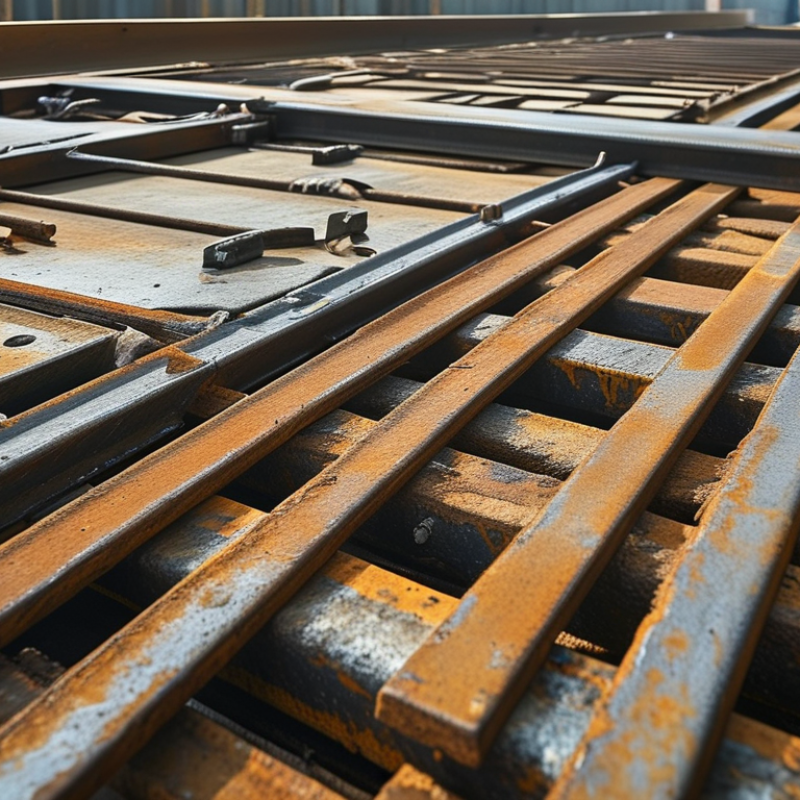
Understanding the Different Types of Steel Grating Materials
When selecting steel grating for your project, understanding material types is crucial. Steel grating comes in various forms, including mild steel, stainless steel, and carbon steel. Each material has unique properties that can significantly impact your project’s outcome.
Mild steel is the most common choice due to its affordability. It offers good load-bearing capabilities and is suitable for general industrial use. However, it may corrode over time, requiring regular maintenance. On the other hand, stainless steel grating is highly resistant to corrosion and suitable for harsh environments. According to industry reports, stainless steel grating can last up to 50 years, making it a reliable investment for facilities exposed to moisture or chemicals.
Carbon steel, while more robust, faces similar corrosion issues as mild steel. It’s essential to consider the environment when choosing between these materials. Some projects may require additional coatings to enhance durability. Inadequate understanding of material properties can lead to issues later on. Engaging with industry experts may provide insights that lead to better decision-making.
Factors to Consider When Choosing Steel Grating for Your Project
Choosing the right steel grating for your project can be challenging. Several factors play a significant role in making the best selection. One primary consideration is the load capacity. Understand the weight requirements your grating will support. This ensures safety and longevity.
Another crucial factor is the material type. Steel grating comes in various grades. You should select a grade suitable for your environmental conditions. For example, galvanization can enhance corrosion resistance. Consider where the grating will be used. Outdoor environments may require a different approach than indoor applications.
Tips: Evaluate the slip resistance of the grating. This is especially important in wet conditions. You may need a profile that provides traction. Consider the aesthetic aspect as well. Steel grating can also offer a modern look for architectural designs.
Despite careful planning, unexpected issues may arise. Installation can sometimes be problematic. Ensure you have the right tools and skills for a proper fit. Reflect on any adjustments that may be necessary after installation. Being adaptable will help in achieving the best results for your project.
Evaluating Load-Bearing Capacity and Safety Standards in Steel Grating
When selecting steel grating, assessing load-bearing capacity is crucial. The load capacity determines how much weight your grating can support without risk. Consider the material thickness and the spacing of the bars. Typically, thicker bars and closer spacing enhance strength. However, this can increase costs. Balancing performance and budget is essential.
Safety standards ensure that the grating is suitable for your application. Various standards exist, governing slip resistance and impact loads. It's important to familiarize yourself with local regulations. Compliance reduces liability issues and enhances user safety. Non-compliance can lead to accidents and costly legal challenges.
Reflecting on projects, one might realize oversights in selecting the right specifications. A common mistake is underestimating environmental factors, like corrosion or extreme temperatures. These elements impact the longevity and reliability of grating. It's advisable to evaluate the specific context of your project. A thorough assessment can lead to more reliable and safer outcomes.
Comparing Cost and Durability of Various Steel Grating Options
When selecting steel grating for your project, cost and durability are crucial factors. Various steel options exist, each with unique strengths and weaknesses. Hot-dipped galvanized grating, for instance, offers excellent corrosion resistance. This can extend the life of your installation considerably, especially in harsh environments. However, the initial cost may be higher compared to other alternatives.
Another option is painted steel grating. While generally more affordable, it may require frequent maintenance. The paint can chip or fade, leading to rust if not monitored. Stainless steel grating serves as a premium choice. It provides remarkable durability, yet its price might deter some projects. Balancing cost with the expected lifespan is essential for making informed decisions.
The choice is nuanced. Each option has its trade-offs related to longevity and budget. Reflecting on the environment, weight-bearing needs, and potential exposure to corrosive elements can guide the selection process. Ask yourself which factors matter most for your project. Understanding these aspects makes a significant difference in outcomes. Consider all variables before making a final decision.
Installation and Maintenance Tips for Steel Grating Selection
When selecting steel grating for your project, installation and maintenance play crucial roles. The type of grating affects ease of installation and long-term upkeep. Choose a design that simplifies assembly. Consider both the weight and size of grating panels. Proper alignment reduces installation time. Always ensure that you have the right tools for effective installation.
Maintenance is key to the longevity of steel grating. Regular inspections help to spot rust, wear, or damage. Early identification prevents costly repairs. Keep the grating clean to maintain its integrity. A pressure washer can effectively remove debris. Protective coatings can extend the life of steel grating, but application may require professional help.
Tips for choosing steel grating include assessing environmental conditions. Corrosive environments demand high-grade materials. Also, consider load requirements. Ensure the grating can handle the expected loads. Each project has unique needs that should influence material choices. Reflect on past experiences; some choices may have led to complications. Learn from what worked and what didn’t to inform your decision-making process.
Steel Grating Selection Criteria
This bar chart illustrates the various criteria to consider when selecting steel grating for projects, including load capacity, corrosion resistance, weight, cost, and ease of installation. Each criterion is rated on a scale of 1 to 10 for better understanding and comparison.