What is a Hydraulic Pile Driver Machine and How Does it Work?
The hydraulic pile driver machine is a remarkable piece of construction equipment. It plays a crucial role in foundation work. Understanding its operation is essential for construction professionals.
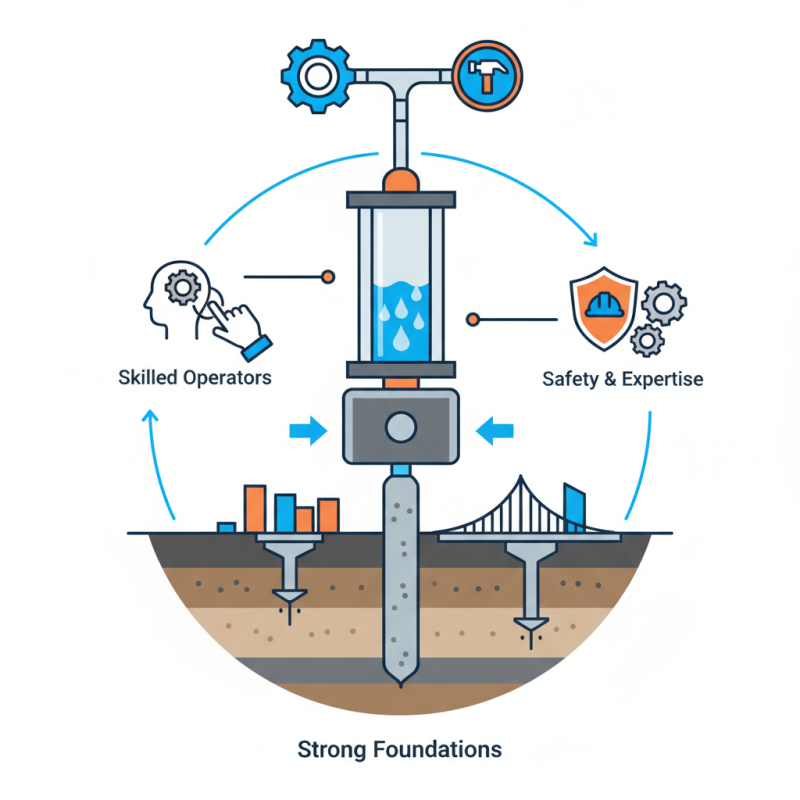
This machine utilizes hydraulic pressure to drive piles into the ground. It creates a strong foundation for buildings, bridges, and other structures. The hydraulic system offers impressive power and accuracy. However, it requires skilled operators to function effectively. Not all construction teams have the necessary expertise.
Safety is a significant concern in working with these machines. Operators must be trained to handle the equipment correctly. Mistakes can lead to accidents or structural failures. The hydraulic pile driver machine can be an invaluable tool when used properly. However, insights from experienced professionals are vital for leveraging its full potential.
Definition of a Hydraulic Pile Driver Machine
A hydraulic pile driver machine is a powerful tool used in construction for driving piles into the ground. It uses hydraulic force to push piles deep into the soil, providing a strong foundation for buildings and structures. This machine is crucial for projects that require stability and support. According to industry reports, over 70% of construction projects now utilize hydraulic pile driving for its efficiency.
When the hydraulic system applies pressure, it creates a robust force that drives the pile into the earth. The mechanism is both fast and precise, which reduces labor time and enhances accuracy. Many operators appreciate its capability to penetrate various soil types, from clay to sandy soils. In fact, recent statistics suggest that hydraulic pile drivers can increase productivity by up to 50% compared to traditional methods.
Tips:
Regular maintenance of the hydraulic system is essential. Wear and tear can lead to reduced performance. Always monitor pressure levels to ensure optimal operation. Additionally, understanding soil conditions can help in selecting the right pile type and driving depth. Every project is unique, and taking time to assess these factors can prevent costly mistakes.
Key Components of a Hydraulic Pile Driver
Hydraulic pile drivers are essential in construction, particularly for deep foundation work. Understanding the key components of these machines aids in grasping their functionality. The primary component is the hydraulic system, which controls the force applied to the pile. The hydraulic pump generates pressurized fluid, enabling precise control and efficiency. According to the International Association of Foundation Drilling, efficient hydraulic systems can increase productivity by up to 30% compared to traditional methods.
Another critical component is the pile frame. This structure supports the hydraulic hammer and the piles. It must withstand significant stress during operation. The frame's design varies, influencing the machine's stability and effectiveness. Moreover, the hammer can be drop-weight or vibratory, each offering unique benefits.
Research shows that vibratory hammers cause less ground disturbance, making them preferable in sensitive environments.
Operators must also consider safety mechanisms. These systems ensure that the machine functions correctly and reduce the risk of accidents. Regular maintenance is essential to keep these components functioning optimally. Neglecting upkeep can lead to malfunctions. Ultimately, knowing these components makes operators more effective and enhances project success.
Mechanism of Operation in Hydraulic Pile Drivers
Hydraulic pile drivers are critical machines used in construction to drive piles deep into the ground. They rely on hydraulic power to generate high forces, enabling efficient installation. The mechanism operates through the conversion of hydraulic energy into mechanical energy. This is achieved by using hydraulic fluid, which is pumped into a cylinder. As pressure builds, it pushes a ram downwards, striking the pile with significant force.
The efficiency of hydraulic pile drivers is notable, with reports indicating that these machines can deliver energy outputs ranging from 30,000 to 200,000 foot-pounds per blow. This allows for penetration into dense soil layers that would be difficult for other methods. The system’s design minimizes shock and vibration, which can otherwise affect nearby structures.
However, challenges exist. Maintaining hydraulic fluid at optimal levels is essential for consistent performance. Any leaks or drops in fluid can decrease effectiveness and productivity. Additionally, operators must be skilled to handle the hydraulic systems properly, as improper use can lead to accidents on-site. Awareness of these operational intricacies is vital for ensuring safety and efficiency during pile-driving activities.
Applications and Benefits of Hydraulic Pile Driver Machines
Hydraulic pile driver machines are essential in construction. They help drive piles deep into the ground, providing crucial support for various structures. These machines excel in diverse environments, from urban settings to remote areas. They are particularly useful for projects involving bridges, buildings, and piers.
One significant benefit of hydraulic pile drivers is their efficiency. They can work quickly, reducing project timelines. With their powerful force, they ensure that piles reach the desired depth. This reliability is vital for ensuring the stability of structures. Additionally, they create minimal disturbance to the surrounding environment, which is a considerable advantage in densely populated regions.
However, their use is not without challenges. Operators require skilled training to handle the machinery safely. Improper use can lead to issues such as misalignment of piles. This could compromise the structural integrity of buildings. Constant maintenance is also necessary, as wear and tear can affect performance. Evaluating these factors is key to successful operations.
What is a Hydraulic Pile Driver Machine and How Does it Work? - Applications and Benefits of Hydraulic Pile Driver Machines
| Dimension | Description |
| Machine Type | Hydraulic Pile Driver |
| Operating Principle | Uses hydraulic pressure to drive piles into the ground |
| Applications | Foundation construction, marine construction, bridge building |
| Key Benefits | Efficiency, reduced noise pollution, increased precision |
| Typical Depth | Up to 30 meters, depending on soil conditions |
| Power Source | Hydraulic system powered by diesel or electricity |
| Operator Skill Level | Requires skilled operators for effective use |
| Maintenance Frequency | Regular checks every 100 operating hours |
Factors Influencing the Performance of Hydraulic Pile Drivers
Hydraulic pile drivers are crucial in construction projects. Their effectiveness depends on various factors. One key factor is the soil condition. Different soil types, such as clay, sand, or rocky terrain, influence how well the piles penetrate the earth. Knowing the soil characteristics helps in selecting the right pile driver.
Another important aspect is the design of the pile itself. Piles come in different shapes and sizes. A well-designed pile can withstand greater loads. The material used also impacts performance. For instance, steel piles offer durability but can be more expensive. Understanding these variables can enhance project success.
Tips: Always assess the site conditions thoroughly. Avoid assumptions about soil types. Using proper equipment tailored to your specific project is essential. Regularly inspect and maintain the hydraulic pile driver to ensure optimal performance. Even with the best equipment, challenges can arise, so be prepared to adapt. This flexibility can make a significant difference in achieving project goals.
Hydraulic Pile Driver Machine Performance Factors
This chart illustrates key performance factors of hydraulic pile drivers, including impact energy, cycle time, hydraulic pressure, piling depth, and soil type. Each factor is crucial in determining the efficiency and effectiveness of pile driving operations.