Essential Tips for Choosing Photovoltaic Accessories in 2026?
The rapid growth of the solar energy sector has made selecting the right Photovoltaic Accessories crucial for optimal performance. A report by the International Energy Agency (IEA) indicates that solar power installations have surged by 20% in 2022 alone. This trend highlights the increasing importance of reliable components in solar systems. The right accessories can enhance efficiency, improve durability, and reduce operational costs.
However, with numerous options available, choosing the right Photovoltaic Accessories can be challenging. Understanding compatibility and quality standards is vital. For instance, investing in high-grade inverters can lead to a 10% boost in energy conversion efficiency, according to recent studies. Businesses and homeowners alike must navigate the complexities of specifications, warranties, and supplier reputations.
Selecting accessories involves more than just cost considerations. It's about ensuring long-term performance and safety. Neglecting these aspects could result in significant losses. As the industry evolves, staying informed and making educated choices is essential in this dynamic market.
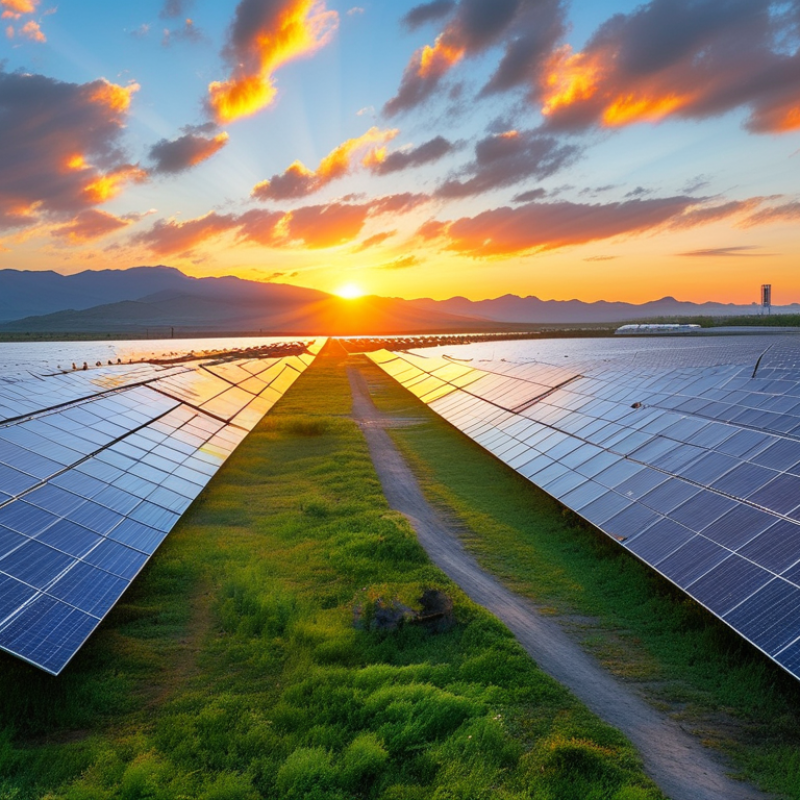
Understanding the Role of Photovoltaic Accessories in Solar Systems
Photovoltaic accessories play a crucial role in the efficiency of solar systems. These components, including inverters, batteries, and mounting systems, directly impact energy production. Choosing reliable accessories can lead to higher energy yields. Poorly made components can lead to power losses and system failures. Understanding each accessory's function is essential for optimizing performance.
Inverters convert DC electricity from solar panels into AC electricity for home use. High-quality inverters have better efficiency rates and longer lifespans. Mounting systems must be robust to withstand weather conditions. They should be designed for your specific installation type, whether rooftop or ground-mounted. Batteries store excess energy for later use. The right battery can provide reliable power during outages.
Many users overlook the importance of these components. It’s easy to assume that solar panels are enough. However, every accessory enhances or diminishes the overall system. Taking time to research and choose wisely will yield long-term benefits. Balancing costs with quality can be tricky but is necessary for sustainability.
Key Factors to Consider When Selecting Photovoltaic Accessories
Choosing the right photovoltaic accessories is crucial for maximizing the efficiency of your solar setup. Consider the compatibility of each accessory with your solar panels. Not all components fit every system. Research and understand the specifications of your solar panels to ensure a seamless match.
When selecting equipment, prioritize quality over price. High-quality accessories often come with warranties and support. This reflects trust in the product's reliability. Look for accessories that have been tested and certified. Certifications from recognized organizations lend credibility to the products.
Pay attention to customer reviews and expert opinions. They can offer insights into real-world performance. Often, products with glowing reviews reveal hidden strengths. However, be cautious of overly positive reviews; a mix of opinions is more reliable. Remember, every component impacts the overall system. Hence, take time to reflect on your choices.
Essential Tips for Choosing Photovoltaic Accessories in 2026
This bar chart presents key factors to consider when selecting photovoltaic accessories in 2026, reflecting the importance of efficiency, durability, cost, availability, and warranty.
Types of Essential Photovoltaic Accessories for Optimal Performance
When selecting photovoltaic accessories, understanding the key types is crucial for performance. Solar inverters, for example, convert DC to AC efficiently. Industry reports indicate that high-quality inverters can improve energy harvest by up to 20%. Choosing an inverter with diverse communication interfaces enables better monitoring and compatibility with various solar systems.
Mounting systems play a vital role as well. The right mounting solutions help maintain panel alignment and orientation, crucial for maximum sunlight exposure. Experimenting with different tilt angles can lead to up to 10% more energy production. Ensure that mounting accessories are made of durable materials to withstand environmental factors like wind and snow loads.
Another important accessory is battery storage. As the solar market grows, integrating reliable battery systems is becoming essential. Reports show that a well-designed energy storage system can save up to 30% on electricity bills. However, the balance between initial investment and long-term savings can be tricky. Users often overlook the maintenance aspects of these accessories. Simple upkeep can significantly prolong the lifespan of all components in the system.
Evaluating Quality and Durability in Photovoltaic Accessories
When selecting photovoltaic accessories, durability and quality are paramount. According to recent industry reports, about 30% of solar system failures can be traced back to low-quality components. This emphasizes the importance of evaluating the resilience of materials used in solar accessories. High-grade aluminum frames and robust tempered glass are essential. These materials enhance the lifespan of solar panels and reduce the risk of damage from environmental factors.
Testing and certification can help ensure reliability. Accessory manufacturers often undergo rigorous testing. For example, the IEC 61215 and IEC 61730 standards assess the performance and safety of solar components. Accessories that meet these standards generally offer better durability. However, some manufacturers may not prioritize these certifications, leading to potential pitfalls. It’s crucial for buyers to conduct thorough research and ask for documentation of compliance.
Market trends indicate that durability plays a critical role in cost-effectiveness. Investing in high-quality accessories often leads to lower maintenance costs. Long-lasting components also contribute to increased energy production efficiency over time. Therefore, buyers should weigh short-term savings against long-term benefits. Selecting quality accessories may require a higher upfront investment but can ultimately enhance performance and reliability.
Future Trends in Photovoltaic Accessory Technology for 2026
As we look towards 2026, the photovoltaic accessory technology landscape is evolving rapidly. According to a recent report by the International Renewable Energy Agency (IRENA), the global solar market is expected to grow by 25% annually. This increase emphasizes the need for advanced photovoltaic accessories that enhance performance and sustainability.
Selecting the right accessories involves understanding future trends. Smart inverters are becoming more prevalent, enabling better energy management. Energy storage systems are also gaining traction, allowing homes to store excess energy efficiently. Reports indicate that the energy storage market is projected to reach $200 billion by 2026. Considering these innovations is essential for maximizing photovoltaic system effectiveness.
Tip: Always check compatibility with existing solar panels. It’s crucial for seamless integration. Evaluate the warranty and support services of accessories. A reliable support system can save time and money. Remember, innovation comes with risks, and not every new tech fits every situation. Stay informed and think critically about your choices.
Essential Tips for Choosing Photovoltaic Accessories in 2026
| Accessory Type | Key Features | Optimal Use Cases | Future Trends |
| Inverters | Higher efficiency, smart grid compatibility | Residential and commercial installations | Integration with energy storage systems |
| Mounting Systems | Durable materials, flexible installation options | Rooftop and ground-mounted arrays | Lightweight designs to enhance installation efficiency |
| Energy Storage Solutions | Increased capacity, enhanced discharge rates | Off-grid and grid-tied systems | Smart battery management systems |
| Monitoring Systems | Real-time data, user-friendly interfaces | Performance analytics for installations | AI-driven insights for maximum efficiency |
| Connectors and Cables | Weather-resistant, high conductivity | All solar installations | Simplification of installation processes |