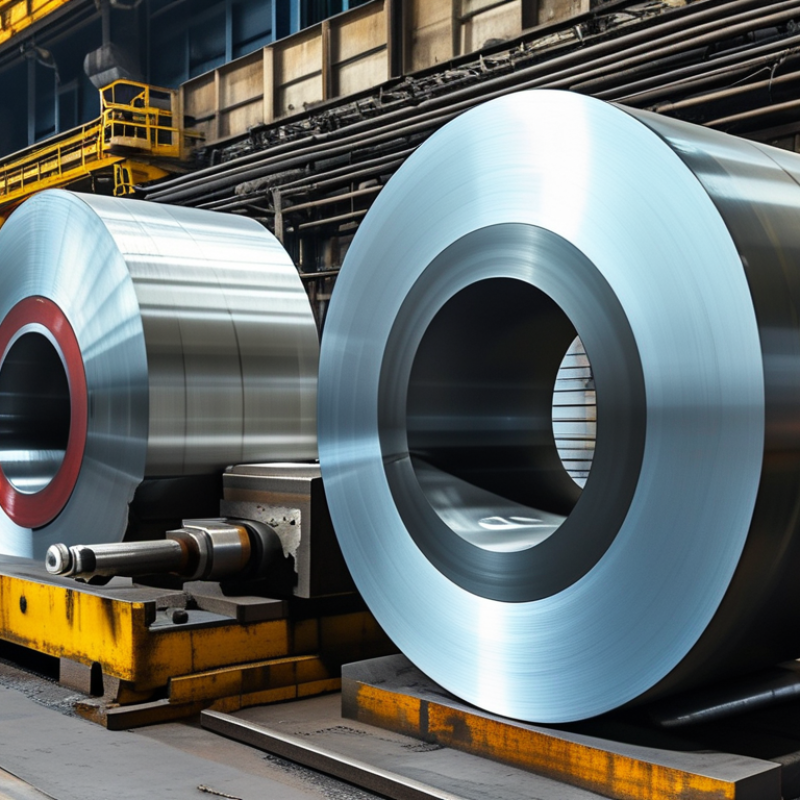
What is a Cold Rolling Machine and How Does It Work?
A Cold Rolling Machine is a vital piece of equipment in metalworking. It reshapes metal at room temperature, enhancing its strength and surface finish. Understanding how this machine operates is essential for industries that rely on precision metal products.
The process begins with large metal sheets. These sheets are fed into the Cold Rolling Machine, where rollers apply pressure. This pressure reduces the thickness of the sheets while improving their mechanical properties. As a result, the finished product often exhibits increased durability and a smoother finish.
Cold rolling is not without its challenges. Operators must closely monitor the machine's settings. Inaccuracies can lead to defects in the final product. The need for skilled personnel cannot be overstated. Mismanagement could result in costly waste, impacting production efficiency. Learning and refining the operation are ongoing processes in this field.
What is a Cold Rolling Machine? Definition and Overview
A cold rolling machine is crucial in metals processing. It reshapes metal materials at room temperature, improving their strength and surface finish. This process occurs after the initial hot rolling, creating thinner gauge strips or sheets. Cold rolled products often exhibit enhanced mechanical properties. According to industry reports, the global cold rolling market reached USD 27.8 billion in 2021. This growth indicates the rising demand for high-quality, uniform materials.
Cold rolling works by passing metal through paired rollers. The reduction in thickness occurs as the metal deforms without significant heat. This process alters the crystal structure of the metal, making it denser and stronger. Cold rolling also results in a smoother and more polished surface. Interestingly, some manufacturers report a 5-15% increase in yield compared to hot rolled alternatives.
Tip: Regular maintenance of rolling equipment is vital. It helps avoid breakdowns. Keeping machinery in good condition increases productivity and safety as well.
The cold rolling process, while effective, has its challenges. Issues like surface defects and material warping can occur. A thorough understanding of material properties is crucial to mitigate these risks. Operators must continuously monitor their processes to maintain quality standards. An informed approach ensures better outcomes for manufacturers in this highly competitive industry.
Key Components of a Cold Rolling Machine and Their Functions
A cold rolling machine is essential in the metal fabrication industry. These machines convert material into thin sheets or coils through deformation at room temperature. Understanding the key components is important for maximizing efficiency.
The primary part of a cold rolling machine is the rollers. They compress metal to desired thickness. Rollers can be flat or shaped, depending on the end product. Another crucial component is the entry and exit guides. These tools help align the material as it moves through the machine. Proper alignment is critical for uniform thickness throughout the roll.
Additionally, the drive system provides the necessary power for the rollers. It usually consists of motors and gears, ensuring smooth operation. Cooling systems are also significant, preventing overheating during operation. However, managing these systems can be complex. Operators must frequently inspect and adjust coolant flow. Such challenges require careful planning and skilled personnel to ensure consistent quality. Regular maintenance of all components is vital for optimal performance.
Process of Cold Rolling: Step-by-Step Explanation with Industry Stats
The cold rolling process involves several crucial steps. Initially, metal sheets are prepared and cleaned to remove any surface contaminants. This ensures a smooth surface for rolling. The sheets enter the cold rolling mill, where they are passed through a series of rollers. Each pass compresses the metal, reducing its thickness and increasing its strength.
As the cold rolling continues, temperature remains low. This is key to maintaining the desired properties of the metal. The rollers can vary in size and configuration, depending on the specific requirements of the final product. Industry statistics indicate a significant increase in the use of cold-rolled products in sectors such as automotive and construction. However, the process does not come without challenges. Maintaining consistent quality and preventing defects are constant concerns for manufacturers.
Operators must closely monitor the parameters of the rolling process. Factors like speed, tension, and thickness play a vital role. Even minor adjustments can result in noticeable differences. Companies often face difficulties in achieving uniformity in thickness and surface quality. This reflection on potential issues highlights the need for ongoing refinement in cold rolling techniques.
Applications of Cold Rolling in Various Industries and Products
Cold rolling is a key process used in metalworking that produces thinner and stronger sheets of metal. It applies pressure to the material at room temperature, enhancing its properties. This method is essential in various industries, including automotive, aerospace, and construction.
In the automotive industry, cold rolling is critical for creating parts such as body panels and structural components. These parts require high strength and durability. The cold rolling process can improve surface finish and tolerances, which are crucial for vehicle performance. In construction, cold-rolled steel is fundamental for producing beams and columns that support structures. It offers a blend of strength and reduced weight, making it an ideal choice.
However, the cold rolling process is not without challenges. Managing heat during rolling is vital. If not controlled, it can lead to defects in the metal. Additionally, equipment maintenance is crucial for ensuring consistency in production quality. Optimizing the cold rolling process remains an area that manufacturers continuously strive to improve. Experimentation and adaptation are essential to meeting evolving industry demands.
Benefits of Cold Rolling Compared to Hot Rolling: Efficiency and Quality
Cold rolling machines are essential in metal processing, enhancing material properties like strength and surface finish. The cold rolling process operates at room temperature, leading to different advantages compared to hot rolling. One notable benefit is higher dimensional accuracy. Cold rolled products have tighter tolerances, often within ±0.5% of the specified thickness, making them suitable for critical applications.
Efficiency is another major factor. According to industry reports, cold rolling can achieve up to 30% higher yield strength compared to hot rolled materials. This strength improvement is vital for applications in automotive and construction industries, where material performance is paramount. Additionally, cold rolling enhances the surface finish, yielding a smoother product that often requires less machining.
However, the cold rolling process is not without challenges. The increased strength comes with increased brittleness. This aspect can complicate subsequent processing steps, such as forming or welding. Operators must carefully monitor strain and temperature to prevent cracking. Despite these drawbacks, the efficiency and quality benefits often outweigh the negatives, making cold rolling a valuable technique in modern manufacturing.