How to Choose the Right Strainer Valve for Your System?
Choosing the right strainer valve is crucial for your system's performance. A strainer valve ensures that debris and contaminants are filtered out. This prevents equipment damage and maintains efficiency.
When selecting a strainer valve, consider the material and size. The wrong choice can lead to leaks or clogs. You need a valve that fits your pipeline and withstands the flow conditions. A mismatch can be costly and time-consuming.
Don’t overlook the installation process. Improper installation can undermine the benefits of your strainer valve. Think about maintenance as well. A valve that’s hard to access can lead to neglect. Ultimately, it’s essential to find a balance between quality and practicality.
Understanding the Purpose of Strainer Valves in Piping Systems
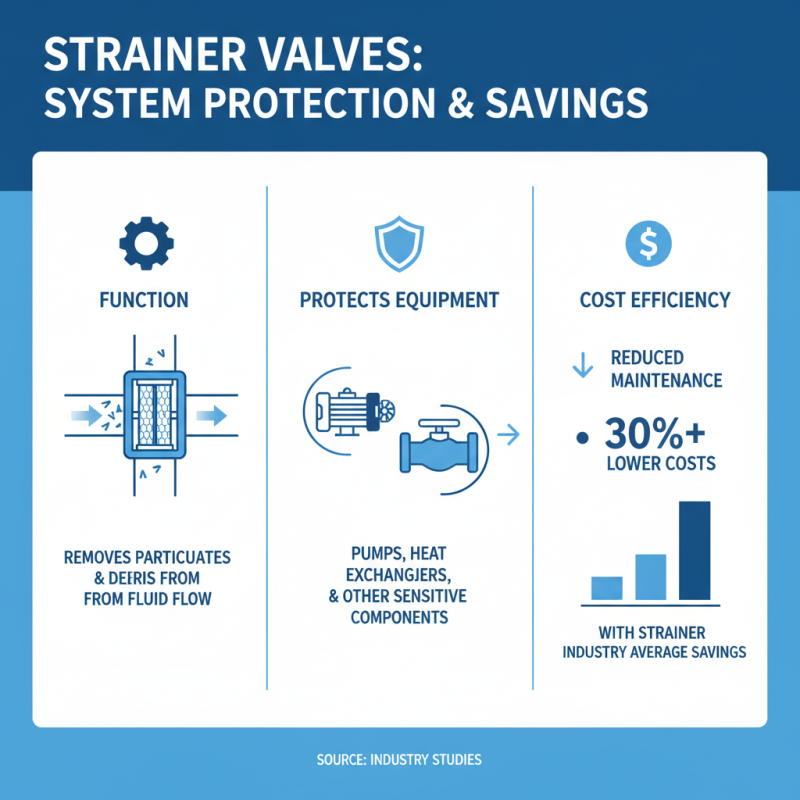
Strainer valves are crucial components in piping systems. They help to remove particulates and debris from the fluid flow. This protects sensitive equipment such as pumps and valves. According to industry studies, systems without strainers can lead to increased maintenance costs—up to 30% more than those that incorporate these devices.
Choosing the right strainer valve is essential for efficiency. Consider flow rates and the types of debris typically encountered. Not all strainers are created equal. Some are designed for larger particles, while others can filter finer debris effectively. It’s important to assess system needs before making a selection.
**Tips:**
Always calculate the pressure drop across the strainer. Too much pressure loss can reduce system efficiency. Inspect strainers regularly to ensure they function correctly. Neglecting maintenance can cause unexpected system failures.
Key Factors to Consider When Selecting a Strainer Valve
Choosing the right strainer valve is crucial for efficient system performance. Start by considering the type of fluid in your system. Different fluids can affect strainer selection significantly. For instance, liquids with high viscosity may require a more robust strainer to prevent blockages.
Next, think about the strainer mesh size. A finer mesh will catch smaller particles but may clog faster. This could lead to increased maintenance. In contrast, a coarser mesh may allow larger particles to pass through. Balancing these aspects is essential. Also, consider the flow rate. A strainer that restricts flow too much can hinder system efficiency.
Don't overlook material compatibility. Different materials can react with various fluids. This might cause damage over time. It’s often overlooked, yet vital. Evaluate the pressure ratings of the valve. Underrating can lead to failure under heavy conditions. Gathering information on these factors is critical for making an informed decision. The wrong choices can lead to costly repairs or system shutdowns.
Factors Influencing Strainer Valve Selection
This chart shows the key factors to consider when selecting a strainer valve and their importance levels on a scale from 1 to 10. A higher score indicates a more critical factor in the selection process.
Types of Strainer Valves and Their Applications
When it comes to choosing strainer valves, understanding their types is crucial. There are multiple types available, each serving unique purposes. For instance, Y strainers are common in water systems, effectively filtering out debris. They are ideal for low-viscosity liquids. On the other hand, basket strainers can handle larger volumes and provide higher flow rates. These are beneficial in industrial applications where a substantial amount of fluid is processed.
Another essential type is the duplex strainer. This strainer allows maintenance without interrupting the flow. It's designed with two filter chambers, enabling one to be cleaned while the other is in use. This feature is vital in continuous processes where downtime is not an option.
Tips: Consider the piping system's specifications before making a choice. Look at pressure ratings, material compatibility, and filtration requirements. Always remember to assess the maintenance needs. Easy access can save time in the long run. Choosing the right strainer valve might seem straightforward, but overlooking details could lead to inefficiencies. Pay attention to flow direction and installation guidelines to prevent issues. Remember, proper selection can lead to better performance and lower costs in the future.
Sizing and Capacity Requirements for Strainer Valves
Choosing the right strainer valve requires careful consideration of sizing and capacity. The valve’s size must match the flow rate of your system. According to a study by the American Society of Mechanical Engineers, improper sizing can lead to a 30% decrease in system efficiency. A valve too small may create excessive pressure. Alternatively, a valve that is too large can cause turbulence.
Flow capacity is another critical factor. Many experts agree that selecting a valve with inadequate capacity can result in frequent blockages. A well-sized valve should accommodate peak flow rates while maintaining a minimal pressure drop. Research indicates that up to 50% of flow systems face issues due to capacity miscalculations. Evaluating your system's requirements and peak usage times will clarify what capacity is necessary.
Leverage tools like flow simulation software to visualize system requirements. However, interpretation can be tricky and should not be overlooked. Relying solely on data without hands-on testing may lead to flawed decisions. Regular reviews and adjustments based on system performance metrics will guide better choices. This reflective approach can mitigate potential future issues.
Maintenance and Replacement Tips for Strainer Valves
When it comes to strainer valves, regular maintenance is crucial. These valves filter out debris and prevent clogs. Over time, they can become less effective. A worn-out strainer can lead to system failures.
Tips: Check the strainer valve every six months. Look for signs of wear or blockage. Replace any damaged parts immediately. Keep spare parts on hand to avoid downtime. This proactive approach saves time and costs.
Cleaning should also be a priority. Dirt and sediment build up fast. Use a soft brush to remove debris. If the valve is excessively dirty, consider soaking it in a cleaning solution. Ensure all components are dry before reassembly.
Sometimes, a replacement is necessary. Look for compatibility with your system. Choosing the wrong size can cause issues. A valve that is too small may not filter properly. Take time to assess your needs.