Choosing the right Liquid Ring Vacuum Pump begins with the process, not the catalogue page. A pump that performs well in a dry packaging line may struggle with vapor, condensate, or corrosive gases. Small details matter. Inlet temperature, suction pressure, gas composition, liquid quality, and required capacity should be recorded before comparing models.
“Pump selection must follow the process conditions, not the nameplate alone,” says Dr. Heinz P. Bloch, a respected rotating-equipment authority. That principle is practical. A larger motor does not automatically create better vacuum. It may increase energy use, operating temperature, and maintenance costs. Sometimes, the quieter and smaller unit is the stronger choice.
Look closely at the sealing liquid. Water is common, but it may be unsuitable when freezing, contamination, or chemical compatibility becomes a concern. Check the expected liquid temperature and vapor pressure, because these factors can limit ultimate vacuum performance. Review the manufacturer’s performance curve at real operating conditions. Do not rely only on the headline capacity.
Experience also changes the decision. Operators often notice unstable vacuum before instruments reveal the cause. A blocked separator, worn mechanical seal, or poorly sized discharge line can imitate pump failure. I have seen specifications become too optimistic when they ignore seasonal conditions. That deserves reflection.
This guide explains how to compare pump construction, materials, capacity, efficiency, noise, controls, and lifecycle support. It also identifies questions worth asking suppliers. The goal is not simply to purchase a Liquid Ring Vacuum Pump. It is to select dependable equipment that remains stable when the process becomes wet, warm, and unexpectedly demanding.
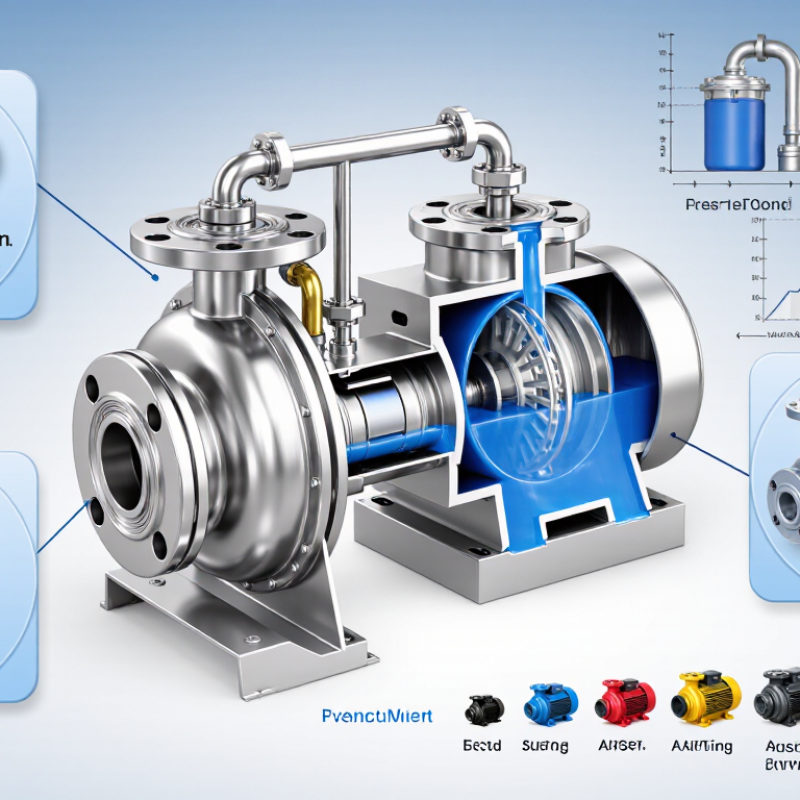
How to Choose a Liquid Ring Vacuum Pump?
Define the operating requirements before comparing pump models. Record the required suction pressure, gas flow, and operating hours. A pump handling 100 m³/h needs different capacity from one handling 20 m³/h. Small errors matter.
Describe the gas clearly. Include temperature, moisture, dust, corrosive components, and possible solvents. Estimate the highest gas load, not only the normal load. During startup, leaks or vapor release may increase demand sharply. I have seen systems underperform because engineers used average flow data. That assumption was too optimistic.
Select the operating liquid carefully. Its vapor pressure can limit the achievable vacuum, especially when the liquid becomes warm. Check its viscosity, temperature, compatibility, and availability. Cooling water at 30°C may produce different results from water at 15°C. Also define discharge pressure, altitude, noise limits, motor voltage, and available installation space. Confirm whether continuous operation or intermittent duty is expected. Ask for performance curves based on the actual operating liquid and gas conditions. Factory test data is useful, but field conditions rarely match perfectly. Leave reasonable capacity margin without creating excessive energy consumption. Too much margin can also cause inefficient operation. That part is often overlooked. Document every assumption, then review it with operators who understand the real process.

How to Choose a Liquid Ring Vacuum Pump?
Match Pump Materials to the Process Gas and Liquid Conditions
A liquid ring vacuum pump must tolerate both the process gas and its sealing liquid. Material selection starts with a complete process review. Check gas composition, temperature, concentration, and pressure. Then examine the liquid’s pH, chloride level, solids, and temperature. A pump may handle a dry gas well but fail when acidic condensate enters the casing.
Common construction materials include cast iron, stainless steel, duplex alloys, and specialized plastics. Stainless steel can resist many corrosive gases, but high chloride levels may still cause pitting. Duplex alloys offer stronger chloride resistance in demanding services. Elastomer selection also matters. Some solvents swell seals, while hot liquids harden them over time. Small compatibility errors can create large maintenance problems.
Tips: Request chemical compatibility data for every wetted component. Include the casing, impeller, shaft sleeve, mechanical seal, and gaskets. Confirm the actual operating temperature, not only the design value. Ask for corrosion allowances and test results when the gas composition may change. A short material test can prevent an expensive pump replacement.
In field evaluations, overlooked contaminants often cause early damage. Trace solids may score sealing surfaces. Dissolved salts may form deposits inside narrow passages. These details are easy to miss. Review upset conditions too, because temporary concentration spikes can be more damaging than normal operation. The safest choice is based on the complete fluid picture, not a single material name.
| Pump Material | Suitable Process Gas Conditions | Suitable Liquid Conditions | Compatibility Level | Typical Applications | Selection Cautions |
|---|---|---|---|---|---|
| Cast Iron | Clean, dry or mildly contaminated air and non-corrosive gases. | Fresh water or other low-corrosivity seal liquids, generally near neutral pH. | Preferred for mild service | General vacuum service, pneumatic conveying, moisture removal, and non-corrosive filtration. | Not recommended for acidic, chloride-rich, saltwater, or chemically aggressive liquids. Rust formation can occur when oxygen and moisture are present. |
| Ductile Iron | Air and process gases containing moderate moisture or limited solid carryover. | Water-based seal liquids with low to moderate corrosivity. | Conditionally suitable | Industrial vacuum systems requiring greater mechanical strength than ordinary cast iron. | Mechanical strength does not equal corrosion resistance. Confirm chemical compatibility and protective coating requirements separately. |
| Carbon Steel | Non-corrosive gases when the pump is protected from condensation and chemical attack. | Clean water or compatible process liquid in controlled conditions. | Conditionally suitable | Heavy-duty installations where structural strength and cost control are important. | Rapid corrosion may occur with oxygenated water, low-pH liquids, chlorides, or wet acidic gases unless a suitable lining or coating is used. |
| Austenitic Stainless Steel | Wet air, oxygen, carbon dioxide, many organic vapors, and moderately corrosive process gases. | Water, dilute acids, dilute alkalis, and many chemically contaminated seal liquids. | Preferred for corrosive service | Chemical processing, food and pharmaceutical utilities, solvent recovery, and humid gas handling. | Chloride concentration, temperature, stress, and stagnant zones must be evaluated. Common stainless grades are not immune to pitting or stress-corrosion cracking. |
| Higher-Alloy Stainless Steel | Wet halogen-containing gases, stronger oxidizing environments, or gases with elevated chloride exposure. | Higher-chloride water, aggressive brines, and selected acidic or oxidizing liquids. | Preferred for severe service | Marine systems, chemical plants, brine handling, and demanding gas scrubbing applications. | Higher alloy content improves resistance but does not guarantee compatibility. Verify corrosion data at the actual temperature, concentration, and flow conditions. |
| Bronze | Air and gases in applications where copper alloys are acceptable. | Fresh water and some non-oxidizing water-based liquids. | Conditionally suitable | Marine-adjacent utilities, water service, and applications requiring good resistance to atmospheric corrosion. | May be unsuitable for ammonia, some amines, strong acids, and certain sulfur-containing compounds. Avoid galvanic couples with incompatible metals. |
| Nickel-Based Alloy | Hot, wet, acidic, alkaline, or halogen-containing process gases that attack conventional stainless steel. | Strong acids, caustic solutions, hot brines, and other highly aggressive liquids, subject to grade selection. | Preferred for highly aggressive service | Severe chemical processing, high-temperature corrosive gas recovery, and specialized vacuum systems. | Material selection is highly chemistry-specific. Consider erosion, galvanic corrosion, temperature, and the effect of impurities before specifying the alloy. |
| Fluoropolymer-Lined Construction | Strongly corrosive gases and vapors at temperatures within the lining manufacturer's service limits. | Many acids, alkalis, chlorides, and solvent-bearing liquids, depending on the fluoropolymer and temperature. | Preferred for chemical resistance | Acid gas extraction, chemical transfer, corrosive vapor handling, and high-purity processes. | Check maximum temperature, vacuum rating, permeation, mechanical impact resistance, abrasion, and lining continuity. Lining damage can expose the base metal. |
| Ceramic or Silicon-Carbide Wetted Parts | Highly corrosive gases with low particle impact and controlled mechanical loading. | Strong acids, oxidizing liquids, and abrasive or high-purity chemical services, depending on the ceramic grade. | Specialized selection | Ultra-corrosive chemical service, high-purity liquid circulation, and applications requiring exceptional hardness. | Excellent chemical resistance can be offset by brittleness and sensitivity to thermal shock. Confirm pressure, impact, vibration, and solids limits. |
| Elastomer-Compatible Construction | Gas service is acceptable only when shaft seals, gaskets, and liners resist the gas and condensable vapors. | Seal liquid must be compatible with the selected elastomer; common choices include EPDM, FKM, or PTFE-based sealing components. | Depends on sealing system | Systems where the metal pump body is suitable but the process contains solvents, acids, alkalis, or hydrocarbons. | Elastomers can swell, harden, crack, or lose elasticity. Material compatibility must include seals, O-rings, gaskets, coatings, and mechanical-seal faces. |
| Standard Materials Without Chemical Upgrade | Unknown, mixed, toxic, corrosive, or reactive gases. | Unknown seal liquid, variable pH, uncontrolled chlorides, or contaminated liquid. | Avoid until verified | Not suitable for specification without process data and a compatibility review. | Obtain gas composition, liquid composition, concentration, temperature, pressure, solids content, and expected upset conditions before selecting materials. |
| Material compatibility depends on concentration, temperature, pressure, exposure time, gas-liquid condensation, erosion, and impurities. Always verify the complete wetted-path material list, including the casing, impeller, shaft, mechanical seal, gaskets, coatings, and elastomers, against current chemical-resistance data before final selection. | |||||
Choosing a liquid ring vacuum pump starts with the required vacuum level, not the catalog horsepower. Define absolute pressure at the vessel, operating temperature, and gas composition. At 25°C, water vapor pressure is about 3.17 kPa absolute, according to the IAPWS Industrial Formulation 1997. This limits practical water-sealed vacuum performance near that point. Colder seal liquid can improve the achievable vacuum. Yet cooling costs rise.
Capacity comes next. Calculate the process gas load, vapor release, leakage, and piping losses at the worst operating condition. Do not size from vessel volume alone. The U.S. Department of Energy’s Improving Pumping System Performance sourcebook identifies system demand and pressure losses as key sizing factors. Add a measured allowance, often 10–20%, but challenge that assumption. Too much margin can cause unstable operation and unnecessary energy use. Small leaks matter.
Configuration should match the duty. A single-stage pump may suit moderate vacuum and high flow. A two-stage arrangement is more suitable for deeper vacuum. Choose a closed seal-water circuit when water consumption or discharge temperature matters. An open circuit may simplify operation. ISO 21360-1 provides a framework for vacuum-pump performance measurement, including pressure and pumping-speed evaluation. Request test data at your actual inlet pressure. Test conditions are often imperfectly comparable. Check corrosion resistance, separator sizing, motor service factor, and automatic seal-liquid temperature control before approval.
Choosing a liquid ring vacuum pump starts with the seal liquid system. The liquid must tolerate process contamination, temperature changes, and continuous circulation. Water may appear convenient, but dissolved minerals can increase scaling and reduce internal clearance. In field installations, a strainer, cooler, and separator often protect performance. Check the liquid temperature at the pump inlet, not only in the storage tank. A small temperature rise can noticeably reduce achievable vacuum. Do not trust a catalogue figure alone.
Utilities also influence the real selection. Estimate cooling-water flow, motor demand, fresh seal liquid consumption, and discharge handling requirements. A pump that meets vacuum duty may still overload a weak cooling circuit. Review pipe sizes and pressure losses carefully. Poorly sized lines waste energy. They also create unstable operation. Operating data from similar service is valuable, especially during startup and seasonal temperature changes. Laboratory results rarely show every plant condition.
Operating cost should include electricity, seal liquid, cooling, maintenance, and downtime. Compare these costs across the expected service life, rather than focusing only on purchase price.
A slightly larger pump may run less efficiently at low load. Variable-speed control can help, but it is not always economical. This is where selection often becomes imperfect.
Engineers may overestimate future capacity and install unnecessary utility systems. Leave room for measured data, operator feedback, and one honest review after commissioning.
Choosing a liquid ring vacuum pump requires more than comparing capacity and price. Installation details often decide whether the pump performs reliably. Confirm the required vacuum level, gas load, seal-liquid temperature, and operating cycle before selection. Keep inlet piping short, supported, and free from sharp restrictions. Poor alignment can create vibration, heat, and premature bearing wear. The pump should sit on a rigid base, with guards fitted around rotating parts. Allow space for inspection and emergency access. Small oversights matter.
Maintenance should be practical and measurable. Check seal-liquid flow, pressure, temperature, vibration, and unusual noise during routine rounds. Record readings, rather than trusting memory. Inspect strainers and separators before they become blocked. Use the specified lubricant and replace worn seals with compatible materials. A maintenance plan is useful, but it is not perfect. Dust, water quality, and changing production loads can expose weaknesses that the original schedule missed.
Tips: Ask the supplier for installation drawings, commissioning guidance, service intervals, and recommended spare parts. Confirm their response time for technical questions. A dependable supplier should explain performance limits clearly, not promise impossible vacuum levels. Request training for operators, especially on isolation, hot surfaces, rotating equipment, and unexpected pressure changes. Keep manuals near the pump, even if experienced technicians operate it. During acceptance testing, compare actual readings with agreed values and document every deviation. That record can prevent a costly argument later.
Same Day Shipping
ISO Certified Production