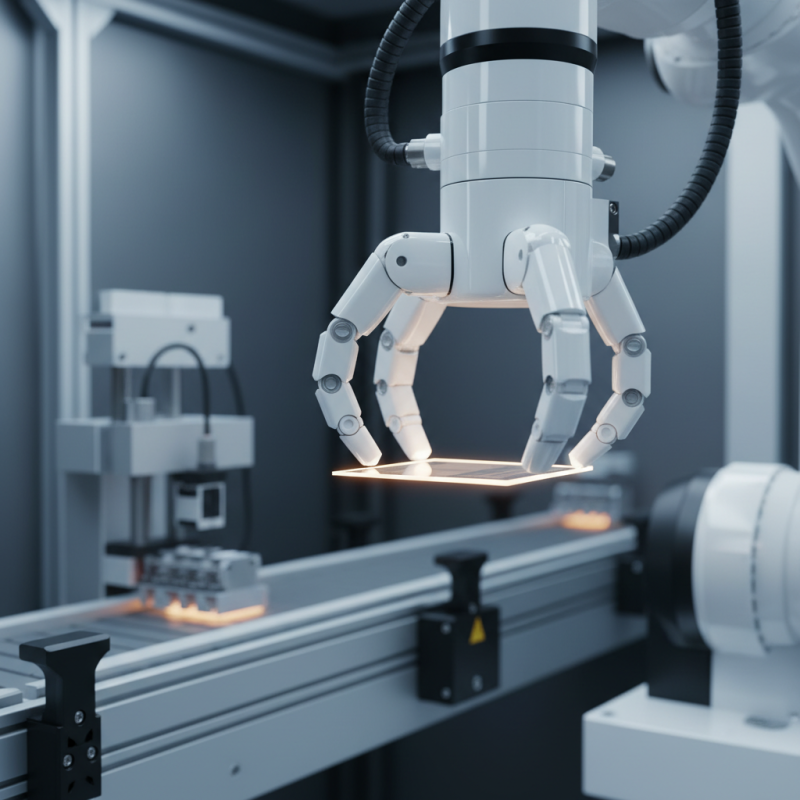
How to Choose the Right Ceramic End Effector for Your Needs?
Choosing the right Ceramic End Effector is crucial for optimizing your automation processes. With so many options available, it can be overwhelming. This decision can significantly impact the efficiency and cost-effectiveness of your operations.
Ceramic End Effectors are particularly known for their durability and resistance to wear. However, not all ceramic materials are the same. Each application may require different properties. For instance, some tasks may demand high-temperature resistance, while others focus on precise gripping capabilities. Identifying specific needs is essential.
Furthermore, the integration of the end effector with existing machinery should not be overlooked. Compatibility issues can lead to operational delays. As you explore the best Ceramic End Effector, consider both the technical specifications and your unique workflow. Reflecting on your needs will guide you toward the best choice.
Understanding Ceramic End Effectors: An Overview of Their Functionality
Ceramic end effectors play a crucial role in many industrial applications. They are designed for tasks such as gripping, manipulating, and conveying materials. Their unique properties make them suitable for handling a range of items, especially those that require a clean and precise touch. Made from advanced materials, these end effectors often feature high durability and resistance to wear.
Functionality is key when selecting ceramic end effectors. Their grip strength must match the task requirements. For instance, a lightweight grip might suffice for delicate objects, while heavier items need robust support. The material composition can influence both weight and performance. Understanding each type’s specifications is vital to achieving optimal results.
However, not all ceramic end effectors are created equally. Some may have limitations in specific environments, like extreme temperatures or corrosive settings. Users must consider these factors carefully. Testing different types can provide insights into what works best for specific use cases. It's essential to reflect on both successes and challenges when implementing these tools in your processes.
Key Factors to Consider When Selecting Ceramic End Effectors
Choosing the right ceramic end effector is crucial for optimal performance. When selecting these components, consider several key factors that impact efficiency and durability. One major factor is material compatibility. Ceramic end effectors must withstand specific environmental conditions, such as high temperatures or corrosive substances. Industry reports indicate that selecting the correct material can increase productivity by up to 30%.
Another important consideration is design and geometry. The right shape can improve handling precision and reduce wear over time. Studies suggest that end effectors designed with specific geometrical features can enhance grip strength by 25%. While some designs may look appealing, they might not provide the necessary functional benefits. Evaluating your unique application needs can lead to better long-term results.
Cost is always a factor, but it’s essential to analyze the cost versus longevity and performance benefits. Investing in a higher-quality ceramic end effector may lead to reduced maintenance costs. Sometimes, opting for less expensive alternatives can lead to unexpected failures. Reflecting on past choices can guide future selections, ensuring reliability and effectiveness.
How to Choose the Right Ceramic End Effector for Your Needs? - Key Factors to Consider When Selecting Ceramic End Effectors
| Factor | Description | Importance Level |
| Material Type | Different ceramic materials offer varying properties like strength and thermal resistance. | High |
| Size and Shape | The dimensions and geometry must match the components to be handled accurately. | Medium |
| Weight Capacity | Ensure the end effector can handle the weight of the items during operation. | High |
| Environmental Resistance | Select ceramics that can withstand temperatures, chemicals, and humidity specific to your application. | High |
| Cost | Consider your budget while balancing performance requirements. | Medium |
| Maintenance Requirements | Evaluate how easy it is to clean and maintain the ceramic end effector. | Low |
Comparing Different Types of Ceramic End Effectors for Specific Applications
Choosing the right ceramic end effector demands careful consideration of the specific application. There are several types of end effectors, each designed for unique tasks. For delicate handling, lightweight ceramic solutions may be best. However, robustness is essential for heavy-duty tasks. It's important to balance fragility and strength based on your needs.
In medical applications, precise gripping is crucial. Ceramic end effectors offer excellent grip without damaging sensitive materials. In contrast, for industrial applications, durability takes precedence. Using stronger ceramic composites can withstand harsh conditions. Factors such as temperature and environment must also be evaluated. These elements impact performance and longevity.
While various options exist, reflection on your exact needs is necessary. The choice may not always be clear. Assessing working conditions and materials can lead to different requirements. Some users may find one type of end effector insufficient. Testing different options is often necessary to determine the best fit for your operation.
Evaluating Material Composition and Durability in Ceramic End Effectors
When selecting a ceramic end effector, material composition is crucial. Different ceramics offer varying levels of durability. Understanding the specific properties of these materials can make or break your project's success. For instance, tough ceramics withstand high stress, while others are more brittle. Knowing your application demands can help streamline your choice.
Tips: Always evaluate the weight of the ceramic. A lightweight design improves efficiency in robotic applications. Additionally, consider the temperature resistance of the material. High temperatures can lead to failure if not accounted for.
Durability is another key factor. Look for wear resistance and impact strength; these characteristics can significantly affect the longevity of your end effector. Be mindful that not all ceramics provide similar durability. You might discover that a perfect looking option performs poorly under harsh conditions. Testing in real-world environments can reveal insights that theoretical specifications can't.
Tips: Conduct a compatibility test. Different materials can react unpredictably when interacting. Safety and reliability often depend on these small details. Don't skip this step, as it can save you time and costs in the long run.
Material Composition and Durability of Ceramic End Effectors
Tips for Maintaining and Optimizing Performance of Ceramic End Effectors
Ceramic end effectors are essential tools in various applications, but their performance can decline over time without proper maintenance. Regular inspection is crucial. Look for signs of wear or damage. This ensures reliable operation. A small crack could lead to bigger issues later.
Clean the ceramic surfaces routinely to prevent debris buildup. Use non-abrasive cleaners to maintain their integrity. Chemicals can deteriorate the material. Pay attention to the environment as well. Extreme temperatures or humidity can impact functionality.
Optimizing performance might involve recalibrating the end effector. Check if alignment is correct. Misalignment can cause inefficiencies. It's also beneficial to review usage patterns regularly. Are your operations consistent? Small adjustments in handling techniques can yield better results. Reflect on previous performance to identify areas for improvement.