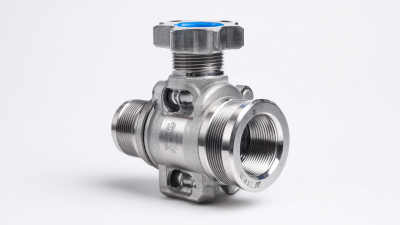
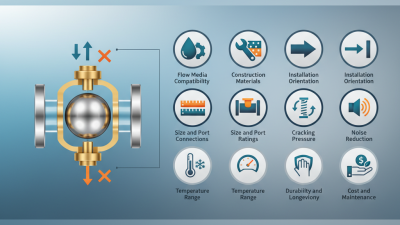
Choosing a locking ball valve is a practical decision about isolation, access, and maintenance—not just pipe size. The handle should move clearly, the lock should accept the site’s approved control, and the valve body must suit the fluid, pressure, and temperature. Small details matter. A stiff lever or poorly positioned lock can complicate routine work.
Grand View Research estimated the global industrial valves market at USD 78.6 billion in 2023, with projected growth through 2030. That broad market figure is useful context, not a measure of locking ball valve sales. It signals the scale of valve selection across industrial systems, while leaving buyers to verify each product’s specifications. Check materials, pressure ratings, connection type, sealing design, and documented testing. Ask for product data, not promises.
A caution on attribution: I could not verify a published quotation from a named expert specifically about locking ball valves, so I will not invent one. That gap matters. A credible buying guide should distinguish sourced facts from sales language. It should also make room for trade-offs: a durable lockable handle may add cost or occupy more space. No valve choice is perfect. The best option is the one that fits the application, can be inspected, and supports consistent operating procedures. This guide outlines how to compare those factors before purchase.
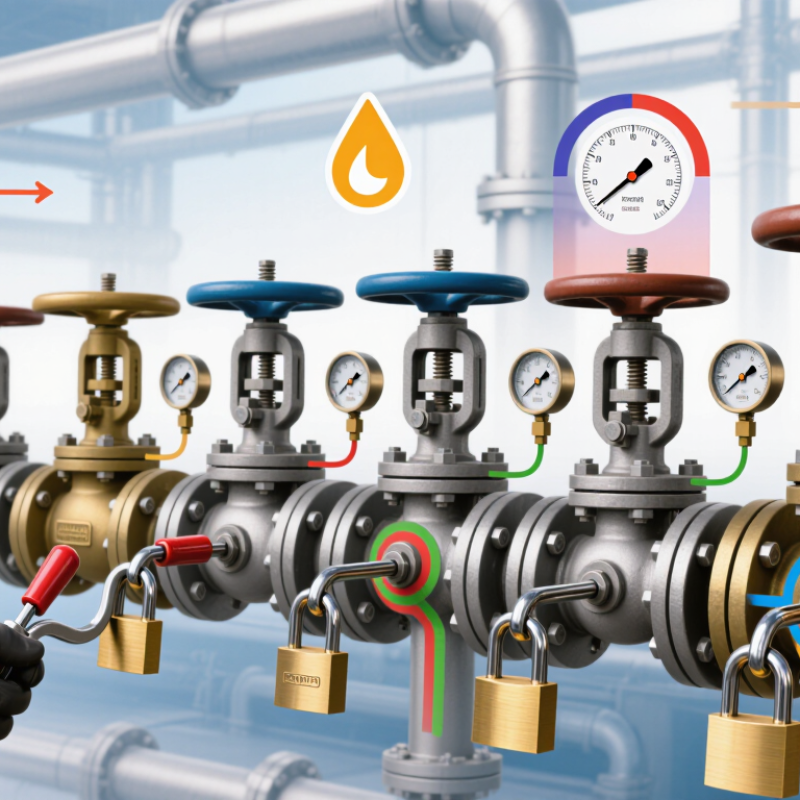
Define Service Limits Using ASME B16.34 Pressure–Temperature Ratings
A locking feature helps control access, but it does not raise a valve’s pressure capacity. Use ASME B16.34 pressure–temperature ratings to check whether the valve body suits the service. The applicable rating depends on the body material group, pressure class, and operating temperature. Match all three to the valve documentation, not just the nominal pipe size. Do not guess. For example, a Class 300 valve may have a lower allowable pressure at elevated temperature than at ambient conditions. A neat table can still invite overconfidence if the material group is wrong.
Compare the maximum expected pressure and temperature with the rating, allowing for startup, shutdown, and credible pressure spikes. Then check the ball, stem, seats, seals, and end connections; their limits may be lower than the body’s. Consider the process fluid and how temperature affects sealing performance. Leave a practical margin where service conditions vary. Confirm the standard edition and the supplier’s stated limits for the exact valve configuration. One detail is easy to miss: a rating is not a promise that every component will perform equally well at that limit. If conditions are uncertain, clarify them before selecting the valve.
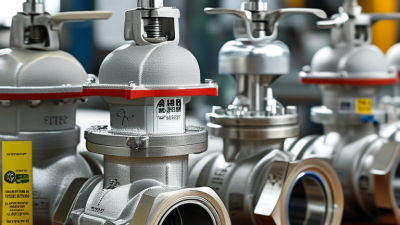
A locking ball valve should fit the line’s actual flow needs, not just its nominal pipe size. Check the valve’s port diameter and flow coefficient against the required flow rate and allowable pressure drop. A full-port design keeps the opening close to the pipe’s inside diameter, which can reduce restriction in high-flow lines. A reduced-port valve may suit tighter spaces or less demanding service, but it can create a noticeable bottleneck. Measure carefully.
The flow path matters too. A two-way valve starts and stops flow along one line; a three-way design can divert or combine flow through its ports. Trace the intended route on a simple piping sketch before ordering. Check which port is open in each handle position, and confirm the locking feature can secure the required position without blocking access. Small details count.
Do not assume a larger port is always better. It may add cost or complicate installation without improving a system limited elsewhere. Compare the valve’s pressure rating, fluid compatibility, and connection dimensions with the line specifications. For viscous fluids or frequent cycling, ask a qualified supplier or engineer to review the operating data. One point is easy to miss: flow estimates rarely capture every real-world restriction, especially near elbows and reducers.
A locking ball valve should be specified around the fluid, not just the pipe size. Start with the body: carbon steel can suit many non-corrosive services, while stainless steel or duplex alloys may better resist corrosion. The right choice still depends on concentration, temperature, pressure, and contaminants. Small details matter. Chlorides, for example, can challenge some stainless grades, especially at elevated temperatures. Check the manufacturer’s material data against the actual process conditions, not a generic compatibility chart.
The ball and seat need equal care. A stainless ball with a suitable coating can reduce wear, while PTFE seats work across many services but have temperature limits; reinforced PTFE or PEEK may suit tougher conditions. Abrasive particles can score sealing surfaces, so a soft seat may not be the best fit. The NACE IMPACT study estimated corrosion costs at US$2.5 trillion worldwide in 2013, or 3.4% of global GDP. That figure is not valve-specific, but it shows why material choices deserve attention. For sour-service conditions, consult applicable material requirements such as ISO 15156, then verify compatibility and seat limits with qualified technical data. One awkward trade-off: a harder seat can improve durability but may change sealing performance.
How to Choose the Best Locking Ball Valve?
Check Pressure Tests and Leakage Criteria Against API 598
When comparing locking ball valves, request test records for the exact size, pressure class, body material, and seat design. API 598 specifies inspection and pressure-test requirements, but the applicable edition and purchase requirements matter. A shell test checks the pressure boundary; a closure test checks shutoff through the ball and seats. The distinction matters.
Compare the test medium, pressure, hold time, and measured leakage with the relevant API 598 requirements. Acceptance criteria vary by valve type and size. Resilient-seated valves generally require no visible leakage, while metal-seated valves may have specified allowable rates. Confirm how leakage was measured and whether the test configuration matches the valve supplied. Not just a number. A pressure reading alone does not demonstrate a successful closure test.
For a locking valve, check the documented test position and direction, then verify that the locking mechanism allows full operation without interfering with seat contact. Ask for traceable records rather than a simple pass note. Consider the actual fluid, temperature, cycling frequency, and differential pressure, too. API 598 testing provides useful evidence, but it cannot guarantee zero leakage after installation or wear. That limitation is easy to overlook. If the documentation is vague, request clarification before ordering.
How to Choose the Best Locking Ball Valve?
Assess Locking Features and LOTO Needs Under OSHA 29 CFR 1910.147
When evaluating a locking ball valve, start with the machine’s energy-control procedure, not the handle color. OSHA 29 CFR 1910.147 requires employers to control hazardous energy during servicing and maintenance. A lockable valve may serve as an energy-isolating device, but the valve alone may not complete isolation. Check that its locking point accepts the site’s padlocks or hasps and secures the handle in the required position. Try the setup with work gloves on. Small details matter. A lock that fits neatly on a bench may be awkward beside a pipe rack or difficult to inspect after installation.
Confirm the valve suits the line’s pressure, temperature, and contents. A closed ball valve can still leak or leave pressure trapped downstream, so the written LOTO procedure should address other energy sources and stored energy. After applying the lock, an authorized employee must verify isolation before work begins. For group work, each worker should be protected under the employer’s group lockout procedure. Do not treat a locked handle as proof of zero energy. It is tempting to choose the most compact locking feature, but cramped access can make safe verification harder. Check the actual installation space, including room for a lock, a clear view of valve position, and safe access to test points.
Same Day Shipping
ISO Certified Production