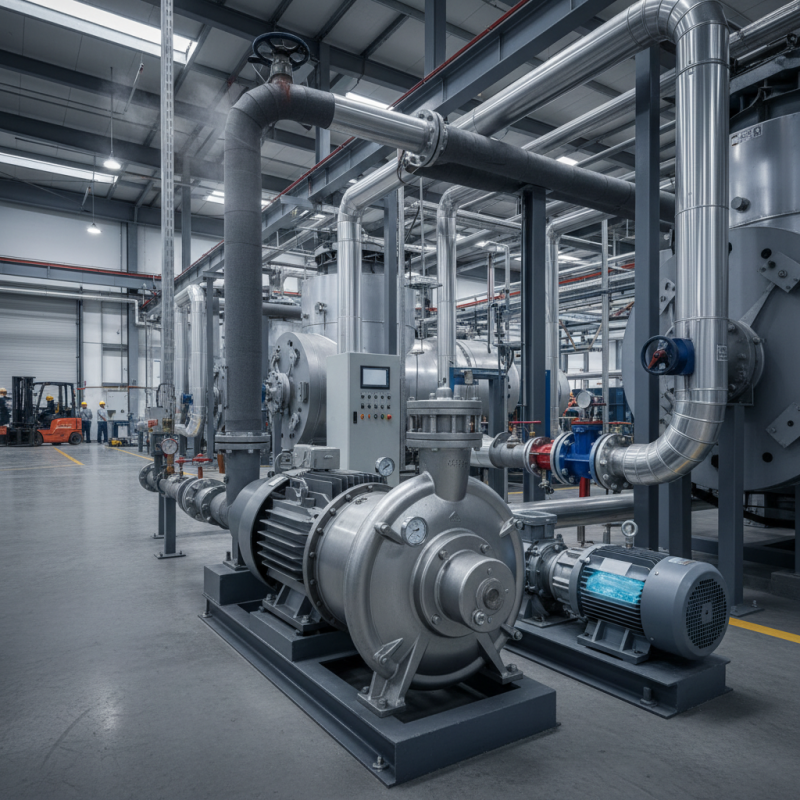
Why Choose the Best Condens Pump for Your Industrial Needs?
In industrial settings, the choice of a Condens Pump is critical. This equipment ensures efficient removal of condensate, optimizing operations. With various options available, selecting the right one can be daunting.
A reliable Condens Pump streamlines processes and reduces downtime. However, businesses must consider factors such as capacity, material compatibility, and energy efficiency. Each choice comes with its own set of challenges. Finding a solution that aligns with specific needs is essential yet not always straightforward.
Investing in the best Condens Pump means enhancing productivity. Yet, there can be hidden complexities in installation and maintenance. Companies must weigh their options carefully. Understanding the unique requirements of their operations is vital for making informed decisions.
Understanding the Functionality of Condensate Pumps in Industry
Condensate pumps play a crucial role in various industrial settings. They are designed to remove excess water produced during condensation in processes like steam heating and cooling. In a factory, for example, steam boilers generate condensate that must be efficiently removed to maintain optimal operations. Without a reliable condensate pump, equipment can be damaged, leading to costly downtime.
The functionality of condensate pumps is straightforward yet essential. When steam condenses, it creates water that needs to be transported away. Condensate pumps efficiently collect and discharge this fluid to avoid flooding. However, these pumps can face challenges. For instance, clogs from debris can hinder performance. Regular maintenance is vital to ensure they operate effectively. Sometimes, even high-quality pumps need troubleshooting when unexpected issues arise.
In choosing the right condensate pump, it's important to understand specific industrial needs. Factors like flow rate, pump size, and system design play significant roles. Not every pump fits every application perfectly. Often, companies face trial-and-error situations before selecting the best option. This reflection highlights the importance of thorough research and consulting with experts to make informed decisions.
Key Benefits of Choosing the Right Condensate Pump for Your Operations
Choosing the right condensate pump can greatly enhance operational efficiency in industrial settings. Many organizations overlook this critical component, potentially facing risks that could disrupt their processes. Recent reports indicate that poorly selected pumps can lead to equipment failures, costing businesses up to 10% of their total operational budget due to downtime and maintenance.
Effective condensate pumps manage water more efficiently, promoting smoother workflow. For instance, investing in reliable pumps can reduce energy consumption by nearly 25%. This efficiency translates into significant cost savings over time. Furthermore, proper condensate management prevents water accumulation, which leads to mold growth and other damaging issues.
However, not all pumps are created equal. Misleading simplicity in operation may tempt companies to choose based solely on price. Data shows that companies often reassess pump effectiveness after incidents that reveal inadequate performance. Continuous evaluation of pump performance and maintenance protocols is essential to ensure the long-term reliability of these systems. Prioritizing quality and durability is not an option; it’s a necessity for sustainable operations.
Why Choose the Best Condens Pump for Your Industrial Needs? - Key Benefits of Choosing the Right Condensate Pump for Your Operations
| Benefit | Description | Impact on Operations |
| Efficiency | Reduces energy consumption and improves system performance. | Lower operational costs and increased productivity. |
| Reliability | Designed for durability and long-term operation. | Minimized downtime and maintenance expenses. |
| Safety | Incorporates safety features to prevent accidents. | Enhanced workplace safety and compliance with regulations. |
| Versatility | Suitable for a variety of applications in different environments. | Flexibility in operations and adaptability to changing needs. |
| Cost-Effectiveness | Provides value over time with low maintenance and repair costs. | Improved ROI and budget management. |
Factors to Consider When Selecting a Condensate Pump for Industrial Use
When selecting a condensate pump for industrial use, several key factors demand attention. Efficiency is a primary concern. Reports indicate that the right pump can improve energy efficiency by up to 30%. This reduction can significantly lower operational costs, especially in large facilities. The pump's capacity must align with your specific industrial demands, which can vary widely.
Durability is another critical aspect. Industrial environments can be harsh, and equipment must withstand varying temperatures and pressures. Choosing a pump made from high-quality materials can enhance its lifespan. According to the American Society of Mechanical Engineers (ASME), pumps that meet rigorous standards typically include features for enhanced resilience.
Noise levels deserve consideration too. Some pumps operate quietly, essential for maintaining a conducive work environment. Excessive noise can lead to workplace dissatisfaction. Reports show that reducing noise can improve productivity by up to 15%. Not all pumps prioritize this feature, so thorough research is essential. Ultimately, ensuring that a condensate pump meets various operational criteria can prevent future issues, such as frequent repairs or inefficient performance.
Comparative Analysis of Top Condensate Pumps Available in the Market
When selecting a condensate pump for industrial needs, it’s essential to analyze the options available in the market. Different pumps exhibit unique features and specifications that cater to diverse requirements. Some pumps excel in energy efficiency, while others prioritize maximum durability. Understanding these distinctions can lead to better decision-making.
Tips: Consider the pump's lifting capacity and its efficiency rating. A higher capacity can handle larger volumes and reduce operation time. Efficiency ratings impact ongoing operational costs, which can influence budget considerations.
Another vital aspect is maintenance. Some pumps require frequent service, while others are more self-sufficient. A pump that demands less maintenance may save time and costs in the long run. Think about how often your pump will be used and its working environment.
Tips: Assess the materials used in construction. Pumps made with corrosion-resistant materials may last longer in harsh environments. This choice can prevent unexpected failures and additional expenses. Always refer to user reviews and industry standards to ensure reliability.
Maintenance Tips for Optimal Performance of Condensate Pumps in Industry
When it comes to maintaining condensate pumps, attention to detail is crucial. Regular checks can prevent costly downtime. Monitoring the pump's performance should be part of a daily routine. Listen for unusual noises that may indicate a problem. Check for leaks around the pump and piping.
Another essential maintenance tip is to clean the strainer regularly. A clogged strainer can reduce efficiency. Cleaning it can improve the pump's lifespan. Additionally, ensure that the float switch is functioning correctly. A malfunctioning float can cause the pump to operate inefficiently. Routine checks can help catch these issues early.
Lastly, consider the environmental factors affecting your pump. Heat and humidity can impact performance. Inspect the installation site for potential risks. Vibration from nearby machinery can also affect pump function. Regular maintenance and a keen eye can help optimize your condensate pump's performance in an industrial setting.