How to Choose the Right Brass Ball Valves for Your Plumbing Needs?
Choosing the right brass ball valves for your plumbing needs can be challenging. Industry expert John Smith, a plumbing engineer with over 25 years of experience, states, “Selecting the right valve can make or break your plumbing system.” This highlights the importance of informed choices in this area.
Brass ball valves are vital in controlling water flow. They are durable, resistant to corrosion, and suitable for various applications. Understanding the specifications of these valves is crucial. Factors like size, pressure rating, and end connection type play a significant role in performance. However, many overlook these details, leading to poor choices.
Some may assume all brass ball valves are the same. This is a misconception. In reality, not all products meet necessary standards. Taking the time to research and compare options is essential. This proactive approach can prevent costly mistakes and ensure dependable plumbing systems.
Understanding the Different Types of Brass Ball Valves Available
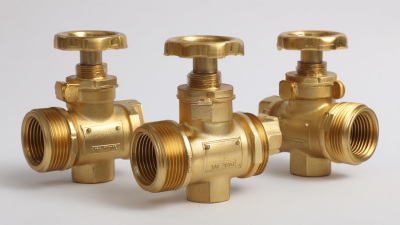
When selecting brass ball valves for your plumbing, it's essential to understand the different types available. There are full port and reduced port valves. Full port valves allow maximum flow, making them ideal for high-demand systems. Reduced port valves, however, restrict flow slightly but might fit better in constrained spaces. Another option is three-way valves. These can divert flow between two paths, providing versatility.
Tips: Consider where the valve will be installed. Will it be in a tight space? A reduced port valve could be more suitable. In contrast, for applications with high flow rates, choose full port valves.
Pay attention to your valve’s sealing mechanism. Some brass valves come with rubber seals for better tightness. They are excellent for water systems but may wear over time. Metal-to-metal seals are more durable and can handle higher pressures. It’s crucial to consider your specific needs for reliability and longevity.
Key Features to Consider When Selecting Brass Ball Valves
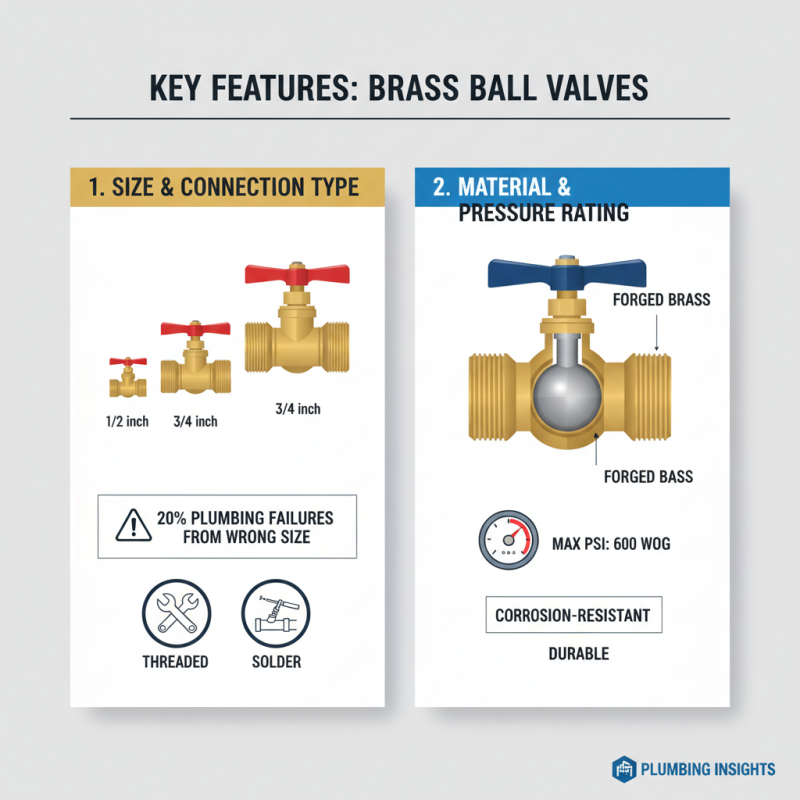
When selecting brass ball valves for plumbing needs, several key features warrant attention. First, consider the valve's size and connection type. Proper sizing ensures efficient flow and compatibility with existing plumbing. Industry reports indicate that miscalculating size leads to 20% of plumbing failures, highlighting the importance of precision.
Next, look at the pressure rating of the valve. Typically, brass valves can handle pressures up to 600 PSI, depending on the specific design. This capability can significantly affect your plumbing system’s performance under varying conditions. A valve that cannot handle specific pressure may fail, causing leaks or malfunctions.
The quality of the brass material is also crucial. Not all brass is created equal; certain alloys offer better corrosion resistance. Research shows that high-quality valves last up to 25% longer than lower-grade options. Finally, check the valve's certification. Look for seals from recognized industry organizations. These endorsements ensure adherence to safety standards, adding confidence in your selection. Choosing wisely can prevent unnecessary repairs and enhance system reliability.
Assessing the Size and Specifications for Your Plumbing Requirements
Choosing the right brass ball valves requires careful consideration of size and specifications. Different plumbing systems can demand different valve sizes, so it is crucial to assess your needs accurately. Measure the pipe diameter first. A valve that is too large or too small can cause leaks or reduced flow.
Think about the pressure requirements as well. Ball valves must withstand the specific pressure levels of your plumbing system. Check the specifications of any valve. If in doubt, consult a plumbing professional.
Consider the environment where the valve will be used. High humidity or exposure to chemicals can affect performance. Choose materials that resist corrosion. This attention to detail ensures longevity and reliability. Improper selection may lead to frequent repairs, costing more over time. Always weigh your options carefully before making a decision.
Evaluating the Quality and Durability of Brass Ball Valves
When selecting brass ball valves, evaluating quality and durability is crucial. According to industry reports, high-quality brass valves have a lifespan of 20 years or more when properly maintained. They resist corrosion and can withstand high pressure. However, not all brass is created equal. Some lower-quality options may not offer the same longevity. A study by the American Society of Plumbing Engineers suggests that valves with a brass body and Teflon seats have a significantly lower failure rate.
Tip: Look for certifications like ASTM and NSF. These ensure the valve meets rigorous safety and performance standards. Always check for warranties, as reputable manufacturers will provide them on durable products.
Another important factor is the valve's operational mechanism. Quarter-turn designs are known for their reliability and ease of use. A faulty valve can lead to leaks, which can cause significant water damage. Regular inspection and testing can help identify issues before they escalate.
Tip: Keep a maintenance log for your plumbing system. Documenting repairs and inspections will help maintain valve integrity. An informed approach will lead to better long-term results in your plumbing needs.
Installation and Maintenance Tips for Brass Ball Valves
When installing brass ball valves, proper handling is crucial. These components are robust yet sensitive to mishandling. Carelessly overtightening can lead to cracks or leaks. Use a torque wrench to ensure you apply the correct force. It's vital to consult installation guides and specifications to prevent damage. Reports from the Plumbing Manufacturers International indicate that improper installation can cause a 20% higher failure rate in plumbing systems.
Maintaining brass ball valves is equally important. Regular inspections can detect wear and corrosion early. Inspect the seals and fittings every six months. Make sure to clean any debris that might interfere with valve operation. The American Society of Plumbing Engineers recommends flushing the system periodically to remove sediment. This simple step can extend valve life significantly, reducing replacement costs. Neglecting maintenance can lead to costly repairs down the line, typically averaging $200-$500 per incident.
In high-demand systems, consider the flow rate and pressure. Oversized valves may not function efficiently. According to industry standards, choosing the right size ensures optimal performance. Evaluate the need for periodic replacements as environmental factors can impact durability. Always document the maintenance schedule and valve conditions to track performance trends. This data-driven approach enhances reliability in your plumbing systems.
Brass Ball Valves Selection for Plumbing Needs
This chart illustrates the percentage of usage for different sizes of brass ball valves commonly used in plumbing applications. The data indicates that the 3/4 inch valve is the most utilized, followed by the 1/2 inch and 1 inch valves.