How to Choose the Best Vertical Machining Center for Your Needs?
When selecting a Vertical Machining Center, it is crucial to understand your specific machining needs. The market for CNC machining centers is projected to reach $100 billion by 2026, indicating significant growth. This demonstrates the increasing importance of precision engineering in industries such as aerospace and automotive. Choosing the right Vertical Machining Center can directly affect production efficiency and overall costs.
Consider the features that matter most to your operations. Factors like spindle speed, travel range, and accuracy are key. According to recent industry reports, CNC machines with high spindle speeds can increase productivity by up to 20%. However, higher speeds may lead to faster wear and tear, requiring a balance between speed and durability.
Evaluating your long-term requirements is equally essential. Investing in advanced technology may appear cost-prohibitive upfront. However, this decision could yield high returns in efficiency and reduced labor costs over time. Reflecting on these aspects ensures you make an informed choice that aligns with your business objectives.
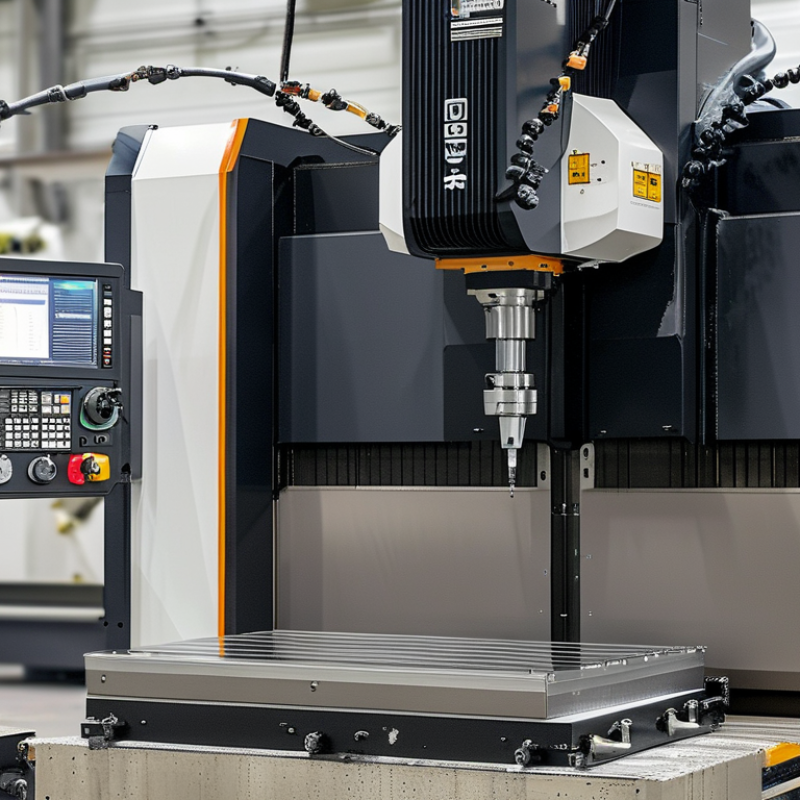
Key Factors to Consider When Choosing a Vertical Machining Center
When selecting a vertical machining center, several crucial factors come into play. Start by assessing the machine's spindle speed and power. A higher spindle speed can enhance productivity, especially for softer materials. However, too much speed can negatively affect tool life. It’s essential to strike a balance that suits your specific materials and applications.
Next, consider the machine's travel capacity. Evaluate the dimensions of your workpieces to ensure the machining center can handle them comfortably. Limited travel can restrict the size of projects you can undertake. Don’t forget about tool capacity as well. A machine with more tool storage allows you to switch tasks without lengthy downtime.
Additionally, think about the controller interface. A user-friendly interface can reduce learning time and increase operational efficiency. Sometimes, operators struggle with complex systems. Finally, ensure the machine is backed by reliable customer support. Technical problems can arise, and having support can save valuable time and resources.
Understanding Different Types of Vertical Machining Centers
Choosing the right vertical machining center (VMC) is crucial for manufacturing precision parts. Understanding the types of VMCs helps in making informed decisions. There are generally three types: standard, heavy-duty, and high-speed VMCs. Each type serves different machining needs and industries.
Standard VMCs are versatile machines suitable for a wide range of tasks. They handle various materials but may struggle with extremely hard metals. Heavy-duty VMCs excel in rigid applications, capable of machining tougher materials but can be costly. High-speed VMCs are ideal for intricate designs and rapid production. They offer fast spindle speeds but may have limitations in heavy-duty tasks.
Tips: Assess your production volume. Higher output may require a robust, heavy-duty model. Consider your material types; the right machine enhances machining efficiency. Performance can vary based on machine components. Regular maintenance is essential to keep VMCs running smoothly.
Understanding the differences among VMC types can guide your choice. Manufacturers have reported that investing in the correct type of VMC can increase productivity by up to 30%. However, a poor choice can lead to downtime and increased costs, highlighting the importance of thorough research.
How to Choose the Best Vertical Machining Center for Your Needs?
| Type | Spindle Speed (RPM) | Travel Range (X, Y, Z) | Tool Carousel Capacity | Control System |
| 3-Axis Vertical Machining Center | 10,000 | 20" x 30" x 20" | 24 | Fanuc |
| 5-Axis Vertical Machining Center | 12,000 | 24" x 40" x 30" | 40 | Siemens |
| Bridge Mill | 8,000 | 30" x 60" x 20" | 30 | Mazak |
| Vertical CNC Mill | 15,000 | 18" x 30" x 18" | 20 | Haas |
| Mini Vertical Machining Center | 8,000 | 12" x 18" x 12" | 10 | Fadal |
Evaluating Your Production Needs and Capacity Requirements
When selecting a vertical machining center, understanding your production needs and capacity is crucial. Assess your current and future projects. Consider factors such as part complexity and material type. The American Machining Association reports that over 70% of manufacturers struggle with capacity planning. This highlights the importance of accurate assessments.
Tips: Analyze your workload. If you foresee an increase, choose a machine with higher capacity. A tool designed for flexible production can save costs over time.
Evaluate your throughput requirements. How many parts do you need to produce daily? If your goals exceed 1500 units per day, a heavy-duty vertical machining center may be necessary. Research shows that optimized machines can enhance efficiency by up to 35%.
Tips: Look for energy-efficient options. They can improve operational costs. Pay attention to maintenance requirements. Machines that demand less upkeep can lead to unexpected savings.
Keep in mind the physical space available. A larger machine may offer better output but could hinder your workflow. Balancing size and functionality is essential. Embrace the challenge of finding the right fit for your business needs, and involve your team in the decision-making process. Their insights can uncover potential concerns you might overlook.
Assessing Budget and Cost-Effectiveness for Your Machining Center
When selecting a vertical machining center, budget and cost-effectiveness play critical roles. A thorough understanding of your financial constraints is vital. Start by estimating the total cost of ownership. This includes not just the initial purchase price but also ongoing maintenance, spare parts, and operational costs. A high upfront cost may seem daunting, but it could lead to better quality and longevity. Sometimes, spending more now reduces future expenses.
Also, consider the return on investment. An efficient machining center may cost more initially but can increase productivity over time. Evaluate its capabilities to meet your specific machining needs. Think about efficiency, accuracy, and the types of materials you will work with. It’s essential to analyze how these factors influence your operational costs.
Don’t overlook the potential need for training and support. Sometimes, cheaper models lack adequate support and resources. This could lead to additional costs due to downtime or mistakes. Balancing affordability with quality is necessary. Assessing these elements helps ensure that your investment aligns with your production goals. Reflecting on these factors can refine your decision-making process.
Cost-Effectiveness of Different Vertical Machining Centers
Exploring Maintenance and Support Options for Longevity and Performance
When selecting a vertical machining center, maintenance and support should be top priorities. Regular maintenance ensures optimal performance and longevity. Schedule consistent check-ups to keep the machine running smoothly. These check-ups help catch minor issues before they escalate. A small oversight can lead to significant downtime. Maintain a checklist for routine tasks, such as lubricating moving parts and checking coolant levels.
Support options are equally crucial. Reliable support can reduce frustration during breakdowns. Understand the warranty and service offerings from the manufacturer. Look for local technicians familiar with your model. Quick access to knowledgeable support can save valuable time and money. Consider online resources for troubleshooting and tips to improve efficiency.
Many users reflect on their experiences with various support teams. Some report delays and miscommunications. Others have found quick solutions. It’s essential to research or seek feedback from peers. Learning from their insights can guide your decision and help avoid pitfalls. Investing time in choosing the right support can pay off in the long run.