Best Welding Blankets for Heat Protection and Safety Tips?
When it comes to welding, safety is paramount. One of the most effective ways to protect yourself and your surroundings is through the use of Welding Blankets. These specialized coverings are designed to withstand high temperatures and sparks. They are essential in preventing fires and minimizing heat exposure.
Welding blankets come in various materials and sizes, offering various levels of heat protection. Selecting the appropriate welding blanket can significantly impact your safety practices. However, some users overlook essential features or do not use them correctly. This oversight can lead to dangerous situations. It is crucial to understand the specific requirements of your welding task.
Moreover, maintaining these blankets is vital for their effectiveness. Regular inspection and cleaning prevent degradation. Poorly maintained blankets can fail when you need them most. Understanding the importance of quality welding blankets and proper usage is key to ensuring safety in welding projects.
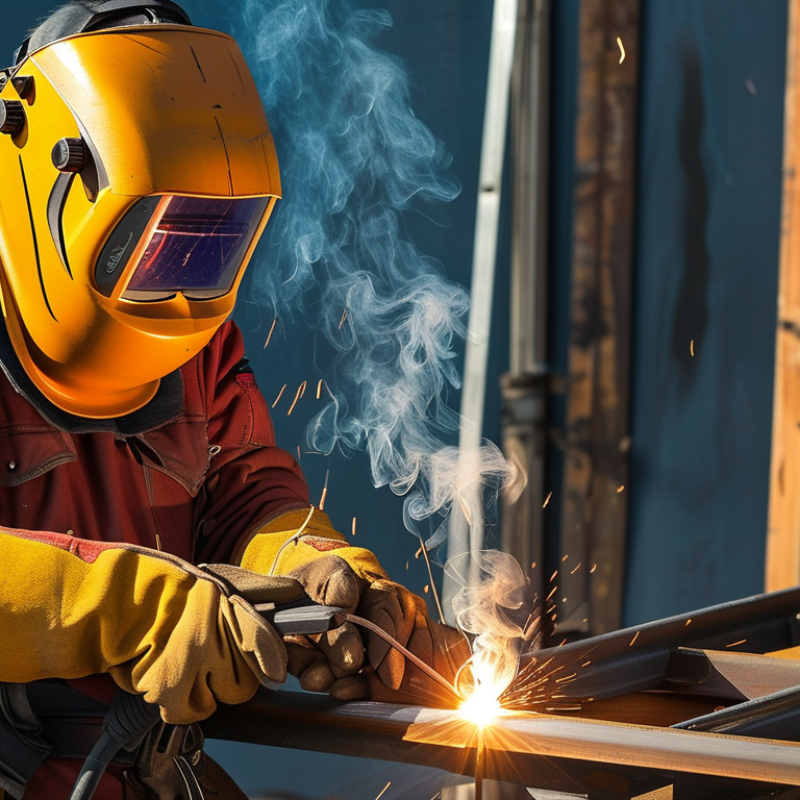
Types of Welding Blankets for Heat Protection
Welding blankets come in various types, each designed to provide heat protection in different scenarios. The most common materials include fiberglass, kevlar, and wool. Fiberglass blankets are popular for their high heat resistance and durability. They can withstand extreme temperatures, making them suitable for heavy-duty welding tasks. Kevlar blankets offer excellent fire resistance and are lighter than fiberglass. This makes them ideal for mobile workspaces where weight matters. Wool blankets, while less heat resistant than the other two, provide good insulation and are often used for lighter welding jobs.
Selecting the right welding blanket is crucial for safety. Consider the temperature rating of each type to ensure it meets your specific needs. For instance, if you're working with high heat, fiberglass is often the best choice. However, don't overlook the weight and flexibility of the material. Heavier blankets may provide better protection but can be cumbersome to handle. There is also the risk of improper usage. Ensure the blanket is properly positioned and secured to prevent any accidental slips during work. Always double-check the condition of your welding blanket. Wear and tear can significantly reduce its protective capabilities.
Best Welding Blankets for Heat Protection and Safety Tips
| Type of Blanket | Material | Temperature Resistance | Size Options | Weight |
| Fiberglass Welding Blanket | Fiberglass | 1000°F (540°C) | 4' x 6', 6' x 8' | 1-2 lbs |
| Wool Welding Blanket | Wool | 800°F (427°C) | 5' x 7', 7' x 9' | 2-3 lbs |
| Canvas Welding Blanket | Canvas | 400°F (204°C) | 6' x 6', 8' x 10' | 3-5 lbs |
| Aluminized Welding Blanket | Aluminized Fiberglass | 1000°F (540°C) | 4' x 8', 6' x 10' | 2-4 lbs |
| Silica Welding Blanket | Silica | 1800°F (982°C) | 3' x 3', 6' x 6' | 2 lbs |
Key Features to Look for in Welding Blankets
When choosing welding blankets, several key features should be prioritized for optimal heat protection. Firstly, the material's temperature resistance is crucial. High-quality blankets can resist temperatures exceeding 1,000°F. A report from the American Welding Society indicates that inadequate heat shielding can lead to injuries or equipment damage, affecting project timelines.
Next, the thickness of the blanket plays a vital role. Thicker materials typically provide better insulation but may also be heavier and less flexible. Industry experts suggest a minimum thickness of 14 mils for robust applications. This thickness can minimize heat transfer effectively, reducing the risk of fire hazards. Additionally, look for blankets with flame-retardant certification. Such certifications ensure the product meets safety standards, thereby increasing workplace safety.
Consider the blanket's size and shape, too. A well-fitted blanket reduces gaps where sparks can escape. Universally, professionals agree that larger blankets provide more coverage, but proper handling is key. They can be cumbersome without appropriate lifting techniques. Practicing careful folding and storage ensures long-lasting use. Understanding these features will lead to better safety practices for welders in various environments.
Best Materials Used for Welding Blankets
When selecting welding blankets, material is key for optimal heat protection. Commonly used materials include fiberglass, canvas, and kevlar. Fiberglass blankets often rank high for their flame resistance and durability. According to a report by the American Welding Society, fiberglass can withstand temperatures exceeding 1,000 degrees Fahrenheit, making it one of the best options for heavy-duty welding environments.
Canvas and kevlar offer additional benefits. Canvas is durable and provides good heat resistance, but may not endure extreme temperatures as well as fiberglass. Kevlar, on the other hand, is lightweight and offers excellent heat resistance. Reports indicate that kevlar withstands high temperatures while remaining flexible, which can be essential for various welding tasks.
Choosing the right material also involves considering specific operational environments. Overlooking material specifications can lead to safety risks. A welding blanket made from inadequate materials may degrade quickly, putting workers at risk of burns. Evaluating your workspace and requirements plays a crucial role in making an informed decision.
Best Welding Blankets for Heat Protection
Safety Tips When Using Welding Blankets
Using welding blankets can significantly improve safety during welding tasks. However, it's essential to implement effective safety measures. Always ensure that the work area is clean and free of flammable materials. It's easy to overlook small things, like a leftover paper or solvent. These can ignite quickly.
When positioning the blanket, cover all areas where sparks can fly. Placement matters. If the blanket is too small, it can leave gaps that allow sparks to reach nearby surfaces. Check the blanket regularly for burns or tears. A small hole might seem harmless but could be a pathway for fire.
Proper ventilation is also crucial. Welding produces harmful fumes and gases. Using a blanket shouldn’t compromise airflow. Always wear appropriate personal protective equipment. Gloves and goggles protect against sparks and heat. Remember, safety extends beyond just using a blanket; it's about creating a safe environment. Regular safety checks can help identify potential dangers. Reflect on your surroundings and habits. Small changes can lead to significant improvements in safety.
Maintenance and Care for Your Welding Blanket
When using a welding blanket, maintenance is crucial for ensuring safety and longevity. Regular cleaning is essential to remove sparks and slag. According to industry reports, a well-maintained blanket can last up to five times longer than one that is not cared for. Inspecting for wear and tear is also vital; small holes can become larger over time and compromise safety.
Storing your blanket properly helps maintain its integrity. Keep it in a cool, dry place away from direct sunlight. This prevents material degradation. Hanging the blanket is ideal to avoid folding creases that may weaken it. Be mindful of the environment in which you use your blanket; exposure to extreme temperatures can affect its performance.
Checking for damage should be a routine practice. If you notice any fraying or holes, consider repairs or replacement. It's better to be cautious than to risk safety risks during welding operations. Remember, a little attention can prevent mishaps and ensure effective usage.