What Is the Best Swing Check Valve in 2026?
Choosing the best swing check valve in 2026 is not a brand contest. It is a fit question: what fluid, pressure, temperature, flow direction, and installation conditions must the valve handle? A valve that closes quietly in a clean-water line may behave differently with slurry, pulsating flow, or frequent starts and stops. Small details matter. A horizontal pipe, a vertical riser, and a short run near a pump can each change how the disc moves and how much impact occurs at closure.
Industry data offers context, not a ready-made product ranking. Grand View Research reported that the global industrial valves market was valued at approximately $78.3 billion in 2023, with projected growth through 2030. That broad market estimate includes many valve types; it does not establish which swing check valve is best. For technical comparison, buyers can review applicable requirements such as ASME B16.34, then check each manufacturer’s published pressure-temperature ratings, materials, testing details, and installation guidance. Verify the exact edition and service requirements for your project.
There is no universal winner. Not quite. A robust body and suitable seat materials are useful, but they cannot compensate for incorrect sizing or poor flow conditions. This guide compares design features, applications, and selection criteria that affect real-world performance. It also considers maintenance access and lifecycle cost, not just purchase price. Some product claims are difficult to compare directly, so treat unsupported promises cautiously. The strongest choice is the one supported by clear specifications and credible test information—and suited to the actual piping system.
How Swing Check Valves Prevent Reverse Flow
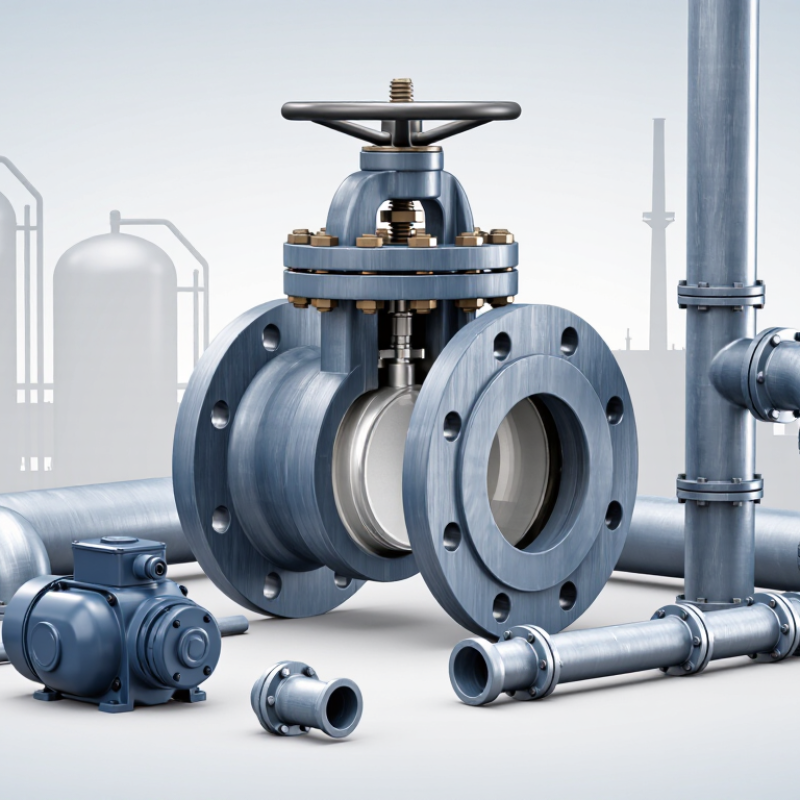
A swing check valve helps stop reverse flow with a hinged disc inside the pipe. Forward-moving liquid pushes the disc open. When flow slows or reverses, the disc swings back toward its seat, limiting backflow. Simple motion. Gravity may help the disc close, depending on how the valve is installed.
Choosing the best swing check valve in 2026 means matching it to the system, not just the pipe size. Check the fluid, operating pressure, flow rate, and installation orientation. A valve that is too large may close slowly; one that closes abruptly can contribute to water hammer. Swing checks often suit relatively steady flows, but they may not be ideal where flow pulses or debris can keep the disc from seating. Even a well-selected valve can leak if its seat becomes worn.
Tips: Confirm the permitted orientation in the valve’s technical documentation. Keep the hinge area clear of sediment, and inspect the seat if reverse flow appears. A swing check valve reduces backflow; it does not guarantee a perfect seal in every service condition.
What Is the Best Swing Check Valve in 2026? — How Swing Check Valves Prevent Reverse Flow
A swing check valve allows forward flow to lift its disc open. When flow reverses, the disc swings back toward its seat to help prevent reverse flow. The chart uses a simple state scale—1 means open and 0 means closed—and illustrates the operating principle, not measured performance data. The right valve depends on the application, including flow conditions, installation, and pressure requirements.
Key Design Features That Affect Valve Performance
A swing check valve’s performance starts with its disc and hinge. A lightweight disc can respond quickly, while a poorly matched hinge may encourage chatter at low flow. Seat alignment matters, too: even a small gap can cause backflow, noise, and gradual wear. Small details matter.
The engineering handbook Flow of Fluids Through Valves, Fittings, and Pipe gives a resistance coefficient near K = 2 for a fully open swing check valve. In the relation ΔP = Kρv²/2, that coefficient helps estimate pressure loss. Treat it as a reference, not a guarantee: disc shape, opening angle, and flow conditions change actual results. Not always.
Body design and installation also affect closure. A horizontal pipe often requires a different hinge arrangement than a vertical line, and the manufacturer’s approved flow direction should be checked. For example, a heavy disc closing against a fast-moving column can create a sharp pressure surge. Sizing only by pipe diameter may leave the valve barely open, where vibration becomes more likely. I would verify the operating flow range and closure behavior, not just the connection size. That check is easy to overlook.
How to Choose a Swing Check Valve for Your System
Choosing a swing check valve starts with the job it must do. Confirm the fluid, operating temperature, pressure, and expected flow range. Then check the pipe size and connection type. Matching the valve to the pipe alone is not enough. A valve that is too large may close slowly; one that is too small can restrict flow.
Look at installation orientation and available space. Many swing check valves suit horizontal lines, while vertical installation generally requires upward flow and manufacturer approval. Leave room to inspect or remove the cover. Small details matter. If the line carries solids or sticky fluid, ask whether the disc and hinge can tolerate buildup. Also consider pressure surges: a swinging disc may slam shut when flow reverses, especially in systems with fast pumps or long pipe runs.
Review the valve’s pressure and temperature ratings against actual operating conditions, including startup and shutdown. Compare pressure loss at your normal flow, not just the headline connection size. A datasheet helps, but it cannot replace a review of the whole system. A neat sizing spreadsheet can still miss a sudden flow reversal. I would verify the installation instructions and discuss water-hammer risk with a qualified engineer before selecting the final valve.
Comparing Valve Materials, Sizes, and Installation Needs
What Is the Best Swing Check Valve in 2026?
Comparing Valve Materials, Sizes, and Installation Needs
The best swing check valve depends on fluid, pressure, and installation position. Cast iron often suits ordinary, low-pressure water service. Ductile iron handles greater mechanical stress, while stainless steel may suit more corrosive fluids. But alloy compatibility matters: seawater and chemical mixtures can behave differently. A material label alone is not enough.
Sizing should follow the actual flow rate and pipe conditions, not simply the nominal pipe diameter. An oversized valve may close sluggishly; an undersized one can increase pressure loss. The U.S. Department of Energy’s Improving Pumping System Performance sourcebook estimates pumping systems use nearly 20% of global electricity. That is a system-wide estimate, not a promise of savings from one valve. Install swing checks with the flow arrow pointing downstream, and confirm the model permits the intended orientation. Leave room to inspect the disc and hinge. A specification sheet can still miss a cramped access point.
Tips: Check the manufacturer’s pressure-temperature ratings and approved orientation before ordering. Small details matter. Look for debris, too. A screen may help where solids are expected, but it also needs inspection. When flow conditions are uncertain, verify the selection with measured operating data; assumptions are easy to make, and not all of them hold in the field.
What Makes a Swing Check Valve the Best Choice in 2026
What makes a swing check valve the best choice in 2026 is how well it fits the actual piping system. Its hinged disc opens with forward flow and swings back when flow reverses, helping prevent backflow without manual operation. In a clean-water line with steady flow, a full-opening design can keep resistance relatively low. That matters. But an oversized valve may flutter at low flow, while a sudden reversal can make the disc slam shut. Neither detail is obvious from a catalog photo.
Selection should start with the fluid, pipe orientation, operating pressure, temperature, and expected flow range. Many swing check valves are intended for horizontal lines. Vertical installation depends on flow direction and the valve’s design, so verify the technical documentation. Check disc and seat materials for compatibility with the fluid, and allow room to inspect the hinge and seat. For pulsating pumps or frequent reversals, compare the closing behavior with other check-valve designs. A swing check is not always the quietest answer. Sizing rules alone can miss field conditions, so review pressure-drop data and consider startup, shutdown, and maintenance access before specifying one.