Best Pressure Vessel Suppliers for Global Buyers?
Pressure Vessels play a critical role in various industries, including oil and gas, chemical processing, and manufacturing. The global pressure vessel market was valued at approximately $62 billion in 2021 and is expected to grow at a CAGR of around 5.5% through 2030. This growth underscores the need for reliable suppliers who can provide quality products and services.
Choosing the right pressure vessel supplier is vital for operational safety and efficiency. Many industries rely heavily on these vessels to contain gas or liquid, often under high pressure. A failure could lead to catastrophic outcomes, which emphasizes the importance of expertise in this field. Moreover, understanding regional regulations and certifications enhances the reliability of suppliers.
However, not all suppliers meet the same standards. Some lack the necessary certifications or experience. It's critical for global buyers to conduct thorough research. This ensures they partner with suppliers who prioritize safety and compliance. Investing in quality pressure vessels can ultimately save businesses from potential hazards and costly downtimes.
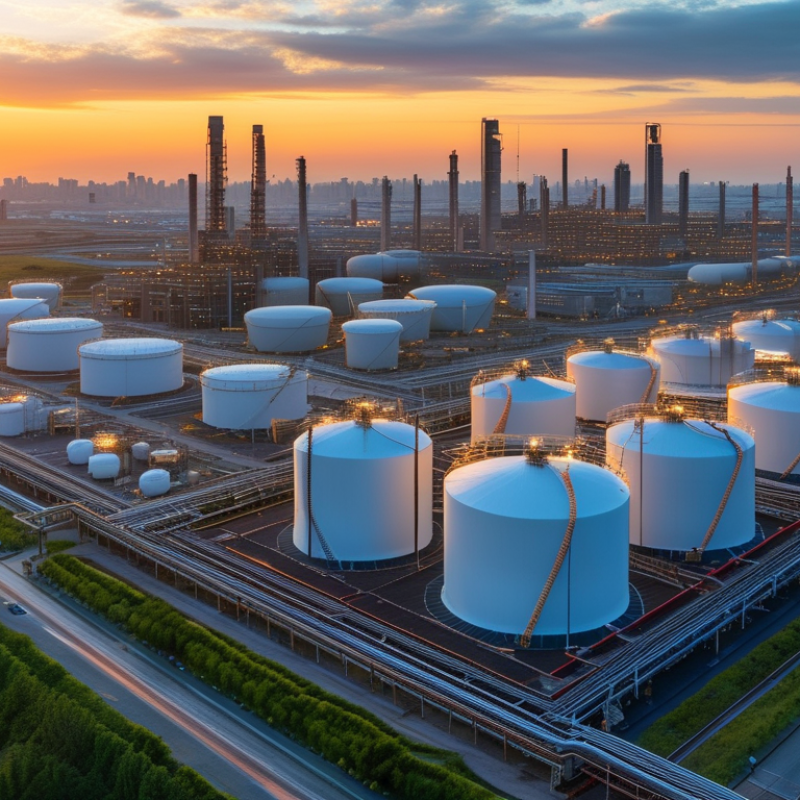
Overview of Pressure Vessels and Their Applications
Pressure vessels are critical components in various industries, designed to hold gases or liquids at high pressure. Their applications range from chemical processing to energy production. According to a 2022 market research report, the global pressure vessel market is projected to reach $158 billion by 2030, indicating growth driven by increasing industrial demands.
In the chemical industry, pressure vessels are key for reactors and separators. They are crucial in processes involving high pressures and temperatures. Safety is paramount; improper design or material selection can lead to catastrophic failures. The American Society of Mechanical Engineers (ASME) sets strict guidelines to enhance safety and efficiency. Research shows that nearly 60% of pressure vessel failures result from inadequate maintenance or incorrect operation. This highlights the need for rigorous training and adherence to safety protocols.
In oil and gas, pressure vessels store substances like natural gas and crude oil. These applications require robust designs to withstand extreme conditions. A study revealed that nearly 30% of oil field accidents are related to pressure vessel incidents. The results underscore the importance of ongoing inspections and monitoring to prevent failures. Innovation in materials and technologies will further enhance the reliability of these essential systems.
Criteria for Selecting Top Pressure Vessel Suppliers
Selecting the right pressure vessel supplier is crucial for any project. Buyers should focus on specific criteria to ensure quality and reliability. Experience in the industry is vital. Suppliers with a long track record often understand complex requirements better. Look for suppliers that have successfully handled projects similar to yours.
Additionally, certifications matter. ISO standards ensure that the supplier adheres to quality control measures. This can greatly reduce risks associated with safety and compliance. A supplier's ability to provide detailed documentation can also reflect their professionalism. Communication is key; more responsive suppliers can facilitate smoother collaboration throughout the project.
Lastly, consider the supplier's geographical location. Proximity can affect shipping times and costs. International suppliers can seem appealing, but delays and tariffs may arise. Balancing cost with reliability and service is essential. Even experienced buyers sometimes overlook these aspects, leading to potential issues. It's crucial to weigh all factors carefully.
Leading Global Suppliers of Pressure Vessels
When considering leading global suppliers of pressure vessels, it's crucial to focus on their experience and expertise. Reliable suppliers often have a proven track record in various industries, from oil and gas to pharmaceuticals. Many of these firms provide custom solutions tailored to specific engineering needs. Such adaptability reflects their understanding of diverse applications.
Tip: Always verify certifications and compliance records of suppliers. Certifications ensure that the products meet international safety and quality standards. Ignoring this can lead to costly mistakes.
Another key aspect is the technological advancements that suppliers embrace. State-of-the-art manufacturing processes often lead to better quality and enhanced durability. Suppliers that invest in research and development typically offer innovative solutions. This is an indicator of their commitment to meeting industry demands.
Tip: Engage in discussions with suppliers about their innovations. This can provide insights into their capabilities and potential challenges you might face. Open communication helps in assessing whether a supplier aligns with your project's needs.
Comparative Analysis of Supplier Offerings and Services
When evaluating pressure vessel suppliers globally, buyers must analyze the offerings and services provided by various companies. A 2023 report from the International Energy Agency (IEA) indicates that the market for pressure vessels is expected to grow significantly, driven by the increasing energy demand and industrial applications. Suppliers vary widely in their material quality, manufacturing techniques, and customer support services.
Many suppliers focus on customization to meet specific industry needs. Some offer advanced fabrication technologies, such as automated welding and 3D modeling, which enhance durability and performance. Others prioritize customer service, providing extensive technical support and after-sales services. Buyers should consider these factors carefully before making a choice.
Tip: Always request detailed specifications and materials certifications from suppliers. This ensures transparency and helps avoid future complications. Reflecting on suppliers' delivery timelines and flexibility is also crucial, as delays can significantly impact project outcomes. Not all suppliers will meet your expectations; thus, thorough research is necessary. Quality should never be compromised for cost.
Tips for Building Long-Term Relationships with Suppliers
Building long-term relationships with suppliers in the pressure vessel industry requires attention to several key factors. Communication is essential. Regular check-ins can help identify issues early. Ensure that both parties feel heard and valued. This can lead to a more collaborative environment. Sharing updates on your operations can foster trust.
Understanding your supplier’s capabilities is also critical. Before placing large orders, consider starting with smaller ones. This allows you to assess quality and reliability. If problems arise, address them promptly. Ignoring these issues can damage relationships over time. Openness about challenges can strengthen ties.
Establishing mutual goals can create a sense of partnership. Discuss both parties' objectives openly. Seek to align these goals for long-term success. Feedback is essential. Share constructive criticism as well as praise. This helps improve processes on both sides, fostering growth and cooperation.
Best Pressure Vessel Suppliers Analysis
This chart displays the annual production capacity (in units) of various pressure vessel suppliers across different regions. It highlights the global market distribution and the potential for developing long-term relationships with suppliers based on their production capabilities.