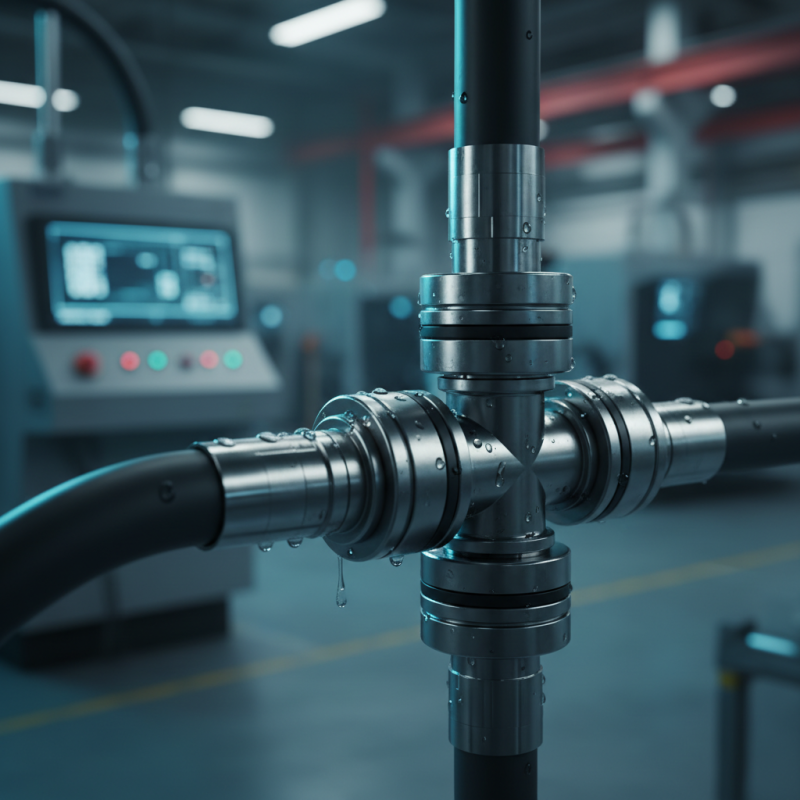
Best High Pressure Couplings for Global Buyers in 2026?
As industries evolve, the demand for reliable High Pressure Couplings continues to rise. Buyers around the globe are seeking the best options to enhance their operations. These couplings play a crucial role in various applications, ensuring safety and efficiency.
In 2026, the market offers a range of products. It's essential to consider quality, durability, and compatibility. Each type of coupling has unique benefits and challenges. A careful evaluation can prevent costly mistakes.
Buyers must also stay informed about new technologies and materials. Innovations frequently reshape the landscape of High Pressure Couplings. Understanding these advancements is vital for making intelligent purchasing decisions. A balance of experience and knowledge can lead to better outcomes for all stakeholders involved.
Overview of High Pressure Couplings: Types and Uses
High pressure couplings play a vital role in various industries. These components are designed to connect pipes, hoses, and equipment under high pressure conditions. They ensure the safe transfer of fluids and gases, key for industries like oil and gas, chemical processing, and water treatment. According to a recent market analysis, the industrial coupling market is projected to grow at a CAGR of 5% from 2021 to 2026, highlighting the increasing demand for efficient coupling solutions.
Several types of high pressure couplings exist. These include quick release couplings, which allow for rapid connections and disconnections. Swivel couplings provide flexibility during movement, reducing strain on hoses and lines. Additionally, cam lock couplings contribute to easy assembly and disassembly. Each type caters to specific application needs, enhancing operational efficiency.
Some challenges persist in coupling technology. For instance, compatibility issues among different designs can lead to leaks or system failures. Moreover, material degradation over time may compromise performance. Industry experts note that continuous innovation is essential to address these concerns. As the market evolves, buyers must stay informed about the latest advancements in high pressure coupling technology.
Key Features to Consider When Selecting High Pressure Couplings
When selecting high pressure couplings, several key features stand out. First, the material type is crucial. Couplings need to withstand extreme conditions. Common materials include stainless steel and brass, known for their durability. Buyers must consider corrosion resistance too. A coupling that fails due to rust can lead to significant operational downtime.
Another critical factor is the coupling's design. Different designs cater to various applications. Flanged couplings offer a secure connection but require precise alignment. Clamp couplings allow for easy installation and removal. Choosing between these options depends on your specific needs. Compatibility with existing systems is vital. Check dimensions and pressure ratings carefully.
Finally, ease of maintenance cannot be overlooked. A good coupling should simplify repairs and replacements. Regular inspections are essential to ensure longevity. Many buyers overlook this aspect, leading to unexpected failures. Not addressing maintenance needs can have costly consequences. Understanding these features ensures informed decisions. Choosing wisely today can prevent problems tomorrow.
Top Manufacturers of High Pressure Couplings in 2026
The global market for high-pressure couplings is expanding rapidly. Reports indicate that it is projected to reach a valuation of approximately $4 billion by 2026, driven by the increasing demand across various industries. Oil and gas, manufacturing, and chemical processing are major sectors fueling this growth. High-quality couplings are essential for ensuring safety and efficiency in these applications.
Leading manufacturers are investing heavily in research and development. Innovations in materials, such as advanced polymers and lightweight alloys, are becoming common. These materials enhance durability and reduce the risk of failures in high-pressure environments. Industry analysts suggest that this trend will continue as safety regulations tighten globally.
Despite advancements, challenges remain. Some manufacturers struggle to meet the rising standards for environmental sustainability and product reliability. Adapting to evolving market demands is crucial for survival. Industry experts emphasize the need for collaboration between manufacturers and regulatory bodies. This partnership will enhance compliance and innovation, ensuring that high-pressure couplings meet both performance and safety criteria.
Market Trends Influencing High Pressure Coupling Choices
In 2026, the market for high pressure couplings is expected to evolve significantly. Buyers will need to adapt to new trends that influence their choices. One primary factor is the increasing demand for safety and reliability in industrial applications. As industries expand globally, they face stricter regulations. These standards impact coupling designs, requiring them to meet higher performance specifications.
Another trend is the rise of advanced materials. Traditional materials may not suffice under extreme conditions. Consequently, manufacturers are investing in composites and specialized alloys. These materials offer better resistance to pressure and wear. However, the cost may rise unexpectedly due to these innovations. Buyers should weigh the long-term benefits against the initial investment.
The environmental impact of production is also gaining importance. Companies are pressured to reduce their carbon footprints. This shift may lead to a search for more sustainable options. However, sourcing eco-friendly materials can sometimes lead to compromises in performance. Buyers must navigate these complexities carefully. A thorough understanding of market trends will be essential for making informed decisions in the evolving landscape of high pressure couplings.
Best High Pressure Couplings for Global Buyers in 2026? - Market Trends Influencing High Pressure Coupling Choices
| Coupling Type | Material | Pressure Rating (psi) | Temperature Range (°C) | Applications |
| Standard High Pressure Coupling | Stainless Steel | 10,000 | -40 to 120 | Oil & Gas, Hydraulic Systems |
| Quick Disconnect Coupling | Aluminum | 8,000 | -20 to 100 | Industrial Equipment, Fluid Transfer |
| Threaded High Pressure Coupling | Carbon Steel | 15,000 | -30 to 150 | Chemical Processing, Power Generation |
| Flanged Coupling | Brass | 12,000 | -50 to 120 | Waterworks, HVAC Systems |
| Welded Coupling | Nickel Alloy | 20,000 | -40 to 200 | Aerospace, High Pressure Gas |
Tips for Global Buyers: Sourcing High Pressure Couplings Effectively
Sourcing high-pressure couplings requires careful consideration. Buyers must assess various factors, including material composition, pressure ratings, and compatibility with existing systems. Research is key. Understanding the specific needs of your industry can inform better purchasing decisions. Use performance standards to evaluate potential options.
Building relationships with manufacturers is essential. Seek out partnerships that prioritize transparency and quality. Ask for detailed specifications and test results. Check for certifications to ensure reliability. Personal visits to production facilities can provide insights into their processes. It’s beneficial to trust but verify.
Feedback from existing users can be invaluable. Engage with industry forums or review platforms. Listening to firsthand experiences offers perspectives often overlooked in technical documentation. Document your findings as you go. This iterative process can reveal trends and preferences that guide your choices. Remember, sourcing is not a one-time event; it's an evolving journey.