Explore the Benefits of 120KW Rapid EV Charging Station for Buyers
As the electric vehicle (EV) market grows, the demand for efficient charging solutions is rising. The 120KW Rapid EV Charging Station is a key player in this transformation. According to a report by the International Energy Agency (IEA), global EV sales reached 2.1 million units in 2019 and are projected to exceed 30 million by 2030. This surge necessitates fast and reliable charging infrastructure to support drivers.
Rapid charging stations can significantly reduce wait times. A 120KW station can charge an EV to 80% in just 30 minutes. This efficiency is critical for drivers who need quick turnarounds during travel. Yet, potential buyers often overlook the cost of installation and operational requirements. Investing in a 120KW Rapid EV Charging Station is not just about immediate convenience; it involves long-term planning and infrastructure considerations.
The transition to electric vehicles is not without its challenges. Many customers express concerns about charging availability and reliability. The 120KW Rapid EV Charging Station addresses these issues, providing a solution tailored for high-traffic areas. As cities adapt, the role of such stations will be vital for fostering greater EV adoption and reducing carbon footprints.
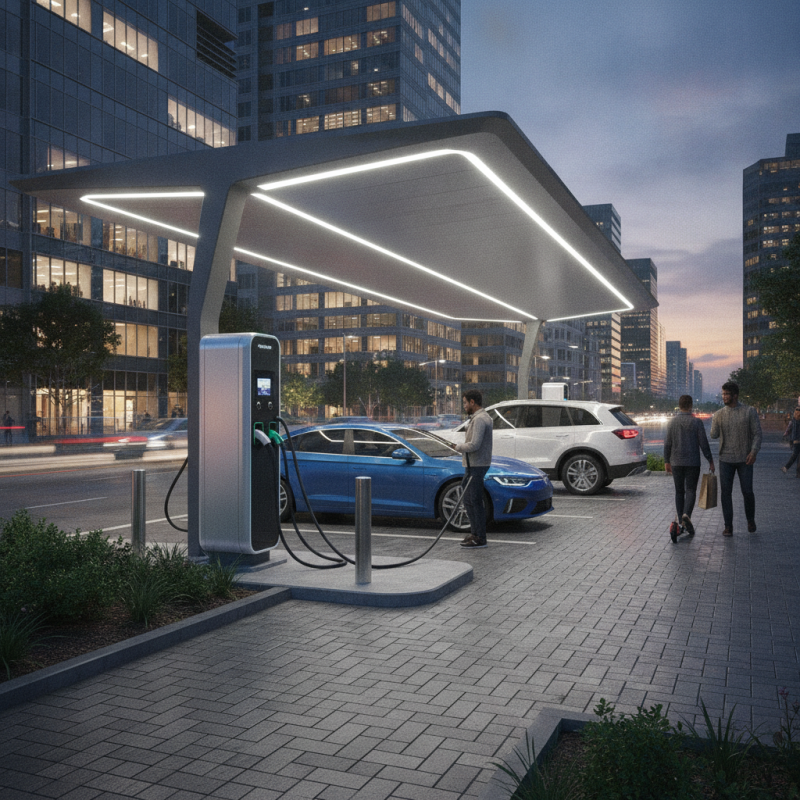
Understanding the Basics of 120KW Rapid EV Charging Stations
The 120KW rapid EV charging station is an essential infrastructure piece in the shift towards electric mobility. These stations can charge electric vehicles (EVs) in just 30 minutes, making them a practical choice for busy drivers. According to the International Energy Agency (IEA), the demand for fast chargers will grow significantly, with an estimated 1.5 million public charging points needed by 2030 to meet EV adoption rates.
Understanding the technology behind 120KW charging stations is crucial. They use direct current (DC) to provide high power directly to the vehicle's battery, bypassing the onboard charger. This results in faster charging times and increased convenience. However, the installation and maintenance costs can be high. It's worth noting that recent reports indicate that only about 13% of charging stations worldwide are considered “fast” or “super-fast,” highlighting a significant gap in infrastructure development.
Another aspect to consider is the variability in EV compatibility and charging speeds. Not every EV can take full advantage of a 120KW charger. Some models may limit the charging rate to 50KW or 100KW, leading to mixed user experiences. This is an area that needs further standardization in the industry for better efficiency and customer satisfaction. Balancing these innovations with existing grid capacities poses challenges that require thoughtful planning and investment.
Advantages of Fast Charging for Electric Vehicle Owners
Electric vehicle (EV) owners increasingly seek faster charging solutions. A 120KW rapid EV charging station provides significant advantages. According to a recent report from the International Energy Agency, fast chargers can replenish an EV's battery to 80% in as little as 30 minutes. This time efficiency is crucial for those who rely on their vehicles for daily commuting.
Fast charging can lead to greater flexibility for EV owners. Many users can fit charging sessions into their busy schedules, reducing downtime. The same report indicates that nearly 70% of EV users cite charging time as a top consideration. In urban areas, rapid charging stations can alleviate range anxiety, making electric mobility more appealing to a broader audience.
However, charging infrastructure must expand to meet growing demand. Some regions lack adequate rapid charging options, creating challenges for owners. While the technology is promising, there is a need for strategic investment in charging networks. Ongoing reports highlight the importance of not only increasing charger availability but also ensuring equitable access for all users. Reliable and efficient charging infrastructure remains a work in progress.
Impact on Charging Infrastructure Development and Accessibility
The development of a 120KW rapid EV charging station significantly enhances charging infrastructure accessibility. According to a recent report by the International Energy Agency, global EV sales increased by 40% in 2020 alone. This surge demands more efficient charging solutions. Rapid charging stations can speed up the charging process, making EVs more convenient for users.
Currently, many urban areas face a shortage of charging points. The U.S. Department of Energy estimates that to meet future demand, we need around 1 million public charging stations by 2030. This highlights the importance of 120KW stations, which can provide a full charge in under an hour. Such efficiency can mitigate range anxiety and encourage more drivers to switch to electric vehicles.
However, the rapid deployment of charging stations isn't without challenges. Accessibility remains uneven across different regions. Urban areas may thrive, yet rural communities often lack infrastructure. Investing in a robust network of rapid chargers must also consider grid capacities. There is a need for careful planning as reliance on these stations grows. Promoting equitable access will be crucial to sustainable EV adoption.
Economic Benefits for Buyers: Cost Savings and Efficiency
The rise of electric vehicles (EVs) demands efficient charging solutions. A 120KW rapid EV charging station provides substantial economic benefits for buyers. According to recent industry data, these stations can reduce charging times by over 50%, allowing users to maximize their time and minimize downtime. This efficiency translates directly into cost savings.
Installation costs can be significant. However, rapid charging stations often lead to higher customer satisfaction. Data shows that 80% of EV users prefer quick charging options. This preference can lead to increased foot traffic for businesses that invest in such technology, translating to higher revenues.
Moreover, the long-term savings on operational costs can also be noteworthy. A study indicated that businesses can save around 20% on energy costs by utilizing smart charging technologies associated with rapid stations. However, it's crucial to conduct a proper cost-benefit analysis. Not every location may see a sufficient return on investment. Understanding local demand is essential before committing to installation.
Benefits of 120KW Rapid EV Charging Station
The chart illustrates the economic benefits of a 120KW rapid EV charging station for buyers, highlighting significant cost savings, reduced charging time, and increased usage frequency.
Environmental Benefits: Promoting Sustainable Transportation Solutions
The rise of electric vehicles (EVs) significantly contributes to greener transportation solutions. A 120KW rapid EV charging station powers vehicles quickly and efficiently. This technology shortens charging times, encouraging more drivers to switch to electric. Adopting EVs can reduce greenhouse gas emissions and improve air quality in urban areas. Many studies indicate that clean air lowers health risks. Thus, rapid charging stations are vital for promoting EV adoption.
However, challenges remain. Many locations still lack charging infrastructure. This can deter potential EV buyers. Public awareness about the benefits of EVs is still growing. Some people question charging times compared to traditional fueling. Yet, rapid chargers can replenish EV batteries in less than an hour. This convenience is crucial for users on the go. By investing in widespread charging networks, cities can enhance sustainable transport solutions.
Moreover, rapid charging stations are often powered by renewable energy sources. This alignment with sustainable practices boosts their environmental impact. It presents a chance for municipalities to showcase commitment to green solutions. Building a robust network of charging points promotes a long-term shift towards sustainable transportation. As this technology evolves, further advancements may address existing shortcomings. Continuous improvements will enhance user experience and acceptance.