Basin Sink Drain Maintenance Tips for Long Lasting Use?
Basin Sink Drains play a crucial role in our daily lives. A well-maintained basin sink drain ensures efficient water flow and reduces the risk of clogs. According to plumbing expert John Anderson, “Regular maintenance can extend the life of your basin sink drain significantly.” This statement emphasizes how proactive care can prevent unexpected issues.
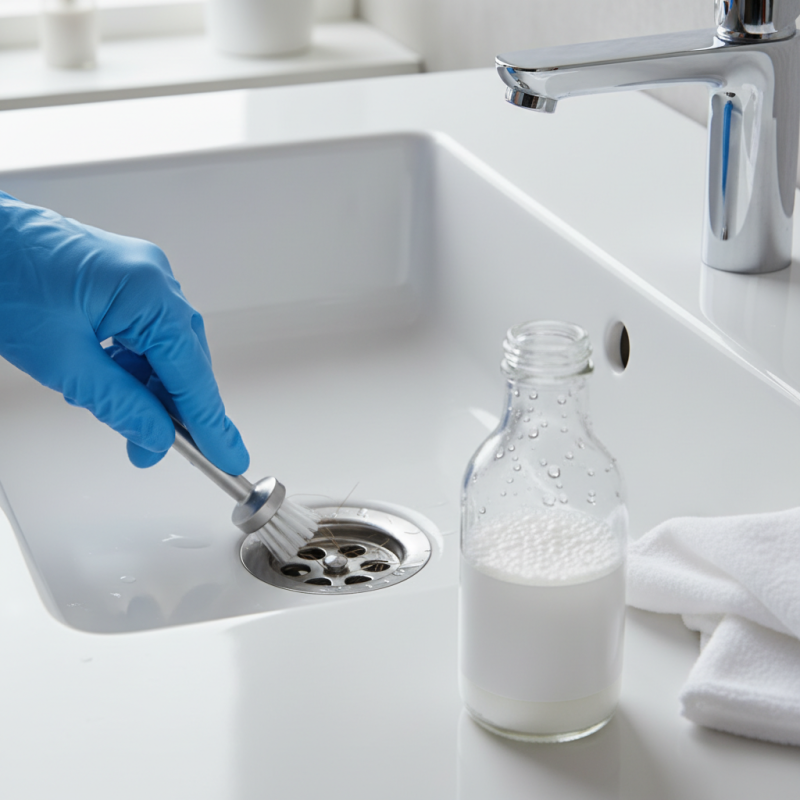
Many homeowners neglect their basin sink drain until problems arise. Simple practices can make a big difference. Cleaning hair and debris regularly can prevent blockage. Additionally, using a baking soda and vinegar solution can break down build-up without harsh chemicals. These small efforts lead to long-lasting use.
However, it's easy to overlook these tasks. Busy schedules can push maintenance to the backburner. As a result, small issues can escalate. Remember, a little attention to your basin sink drain can save you time and money in the long run.
Basin Sink Drain Maintenance: Understanding Common Issues and Solutions
Basin sink drains are often overlooked, yet they play a crucial role in household plumbing. Common issues include clogs, slow drainage, and unpleasant odors. According to the American Society of Home Inspectors, 80% of homeowners encounter problems with drains at some point. Understanding these issues can prevent costly repairs.
Clogs result from accumulated debris like hair and soap residue. Regularly cleaning the drain can mitigate this. However, overzealous cleaning might lead to pipe damage. Using a simple mixture of vinegar and baking soda can break down minor blockages without harming your pipes. Many homeowners underestimate the importance of maintenance. Periodic inspections can reveal hidden issues like corrosion or leaks.
Odors are often a sign of stagnant water or trapped debris. This can be a telling sign that it’s time for some attention. Flushing the system with hot water can help dislodge particles causing the smell. It’s crucial to find a balance in your maintenance routine. Too little or too much can lead to more significant problems down the line. Keeping a simple log of maintenance actions can help track any recurring issues, ensuring a functional and reliable sink drain.
Key Techniques for Regular Drain Cleaning to Prevent Clogs
Regular maintenance of basin sink drains is crucial for keeping them clog-free. Simple techniques can make a significant difference. For example, using a sink strainer can catch hair and food particles before they enter the drain. This small step minimizes the risk of buildup. Cleaning the strainer often is essential. It’s an easy task that can save you from bigger plumbing issues later.
Another effective practice is to flush the drain with hot water weekly. This helps to dissolve grease and soap scum. Pouring a mixture of baking soda and vinegar down the drain once a month can aid in breaking down stubborn deposits. Allowing it to sit for a few minutes enhances the effect. However, it’s important to monitor how your system reacts. Some homeowners may notice that chemical reactions can produce unpleasant smells. Regular inspection is key to an effective maintenance routine.
For a deeper clean, consider using a plumber's snake. This tool can reach blockages that traditional methods cannot. Still, using it requires care. Overzealous usage can damage your pipes. Reflect on your drain maintenance practices and adjust as needed. Consistency is vital, but it’s easy to overlook this upkeep. Be proactive, and your drains will thank you.
Basin Sink Drain Maintenance Tips for Long Lasting Use
| Maintenance Tip | Frequency | Technique | Expected Outcome |
| Remove debris and hair | Weekly | Use a drain snake or tweezers | Prevents clogging |
| Flush with hot water | Monthly | Run hot water through the drain | Helps dissolve buildup |
| Use a drain cleaner | Quarterly | Apply chemical or natural drain cleaner | Clear stubborn clogs |
| Check for leaks | Biannually | Inspect pipes and joints | Prevent water damage |
| Install a drain strainer | Once | Place strainer over the drain | Stops debris from entering |
Recommended Tools and Products for Effective Sink Drain Maintenance
Keeping your basin sink drains in top shape is essential for long-lasting use. Regular maintenance helps prevent clogs and ensures a smooth drainage system. To maintain your sink, having the right tools and products on hand is crucial. A good set of rubber gloves will protect your hands while cleaning. A drain snake is handy for removing stubborn clogs. A mixture of baking soda and vinegar can help clear buildup naturally.
Tips for effective maintenance include regularly flushing your drains with hot water. This can help dissolve grease and food particles. Consider using a drain strainer to catch debris before it enters the pipes. Regularly inspect the area under your sink for leaks or signs of wear. If you find any irregularities, more thorough inspections may be necessary.
Invest in a biodegradable cleaner to keep your drains fresh. It's better for the environment and effective against odors. Remember, even minor clogs should be addressed quickly to prevent bigger issues. Pay attention to unusual smells or slow drainage, as they may indicate a larger problem brewing in your plumbing. The right tools and proactive care will lead to a healthier drainage system.
Professional Insights on Drain Pipe Lifespan and Replacement Needs
Drain pipes play a crucial role in the overall functionality of your sink. Over time, they can become worn out due to constant exposure to water, waste, and other substances. Professional plumbers often highlight that most drain pipes last between 15 to 30 years, depending on the materials used and the maintenance practices employed. Materials like PVC can be more durable, while older metal pipes may rust or corrode more quickly.
Regular maintenance is essential for prolonging the lifespan of your drain pipes. Homeowners should routinely inspect pipes for leaks or corrosion. Cleaning out any clogs can prevent further damage. If you notice persistent drainage issues or wear, it might be time for a professional evaluation. Ignoring early signs can lead to costly repairs, which many homeowners lament later.
Understanding when to replace drain pipes is vital. Look for signs like frequent backups or foul odors. These issues indicate potential problems that could escalate. A proactive approach can save you both time and money in the long run. Remember, even with the best care, every pipe has its limits and may need replacement. Reflecting on the lifespan of your plumbing can lead to better home maintenance overall.
Statistics on Drain Failure Rates and Best Practices for Longevity
Drain failure rates can be surprisingly high. Many households experience issues within the first few years. Statistics show that nearly 80% of drain problems arise from lack of maintenance. A clogged drain not only causes inconvenience but can lead to costly repairs. Neglecting simple care can create long-term issues.
Routine cleaning is essential. Use a mix of baking soda and vinegar monthly. This combination can break down greasy buildup. Flushing drains with hot water helps maintain flow. It’s a simple step that can prevent significant blockages. Being proactive is key.
Identifying early signs of trouble is crucial. Unpleasant odors or slow drainage are common indicators. Addressing these can save time and money. Seek professional help if issues persist. Combining DIY maintenance with expert checks creates a reliable system for drain longevity. It’s a balanced approach to avoid potential headaches.